
A arquitetura da extração de criptomoedas está passando por uma transformação permanente, afastando-se do hardware convencional resfriado a ar em direção a uma infraestrutura de alta densidade e resfriada a líquido. Esta transição não é meramente uma tendência, mas uma necessidade estrutural ditada pela crescente dificuldade da rede criptográfica e pelas limitações físicas do gerenciamento térmico do silício. Para manter uma vantagem competitiva e garantir recompensas de bloco consistentes, as instalações devem implantar hardware que maximize a densidade computacional enquanto minimiza drasticamente o gasto elétrico e a degradação térmica. Esta análise fornece um exame forense da mais recente inovação em tecnologia de resfriamento hidráulico, detalhando sua arquitetura mecânica, viabilidade financeira e parâmetros de integração específicos para data centers de nível institucional.
A Evolução da Arquitetura de Resfriamento Hidráulico em Ambientes de Alta Densidade ⚙️
A mitigação térmica é a restrição definidora absoluta nas operações criptográficas modernas. O enorme volume de calor gerado por chips de circuitos integrados de aplicação específica densamente compactados e operando na frequência máxima apresenta um enorme desafio de engenharia. Os sistemas tradicionais de circulação de ar ambiente atingiram seus limites físicos. Eles exigem uma enorme infraestrutura de ventilação externa, consomem energia parasita significativa apenas para operar os ventiladores de resfriamento e expõem os sensíveis componentes de silício a poeira, umidade e contaminantes atmosféricos. Esses fatores ambientais aceleram diretamente a degradação do hardware e aumentam a frequência de falhas críticas.
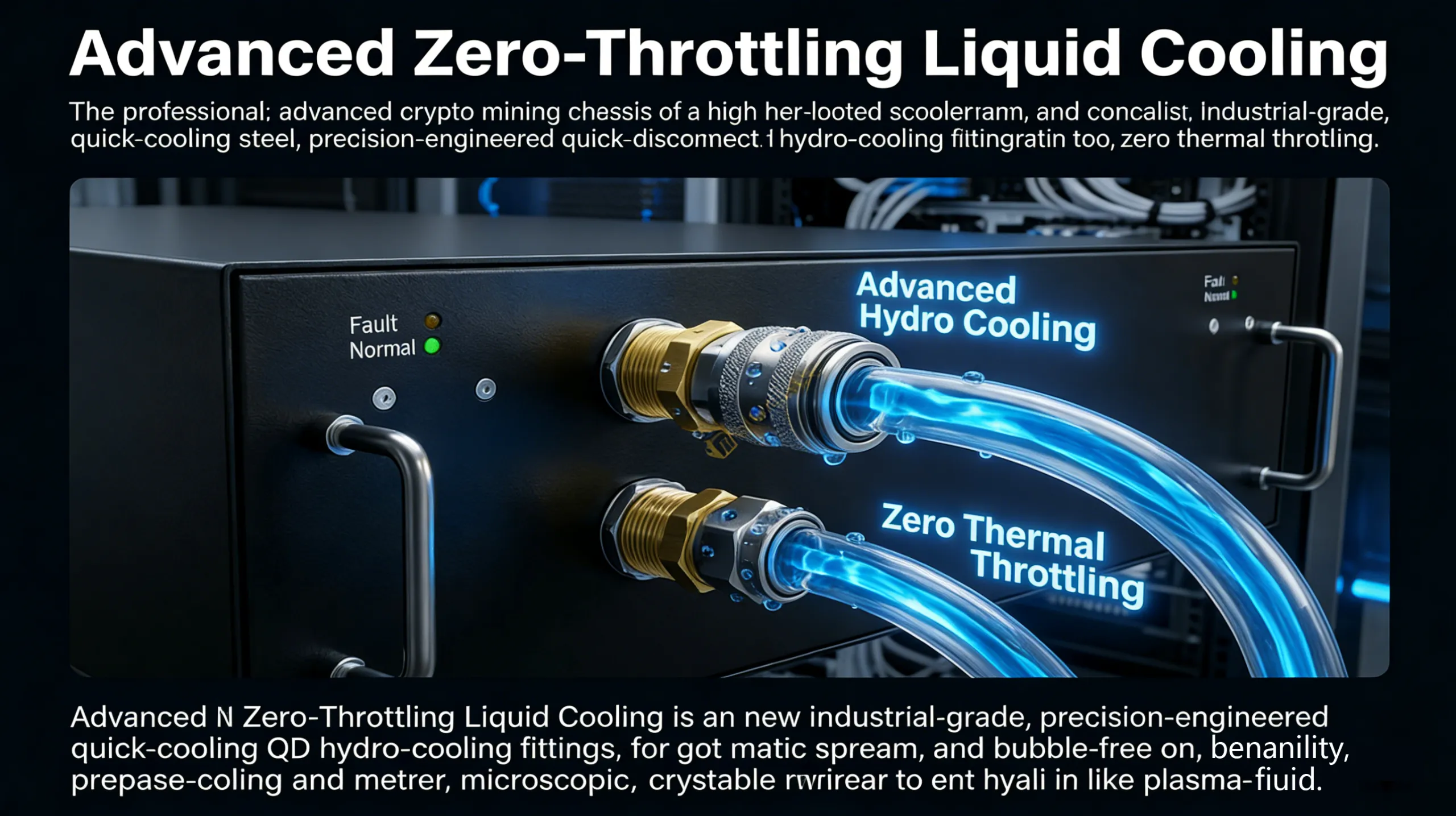
O resfriamento a líquido contorna fundamentalmente essas limitações ao utilizar a capacidade térmica específica superior dos fluidos. Um sistema de resfriamento hidráulico adequadamente projetado direciona o fluido de arrefecimento projetado através de placas frias de alumínio fresadas com precisão que ficam em contato térmico direto com as placas de hash de silício. Este mecanismo absorve e transporta a energia térmica para longe do processador exponencialmente mais rápido do que o ar forçado. Consequentemente, os microprocessadores podem sustentar frequências de hash de pico absoluto sem encontrar limitação térmica, um mecanismo de autopreservação que degrada automaticamente o desempenho para evitar o derretimento do silício.
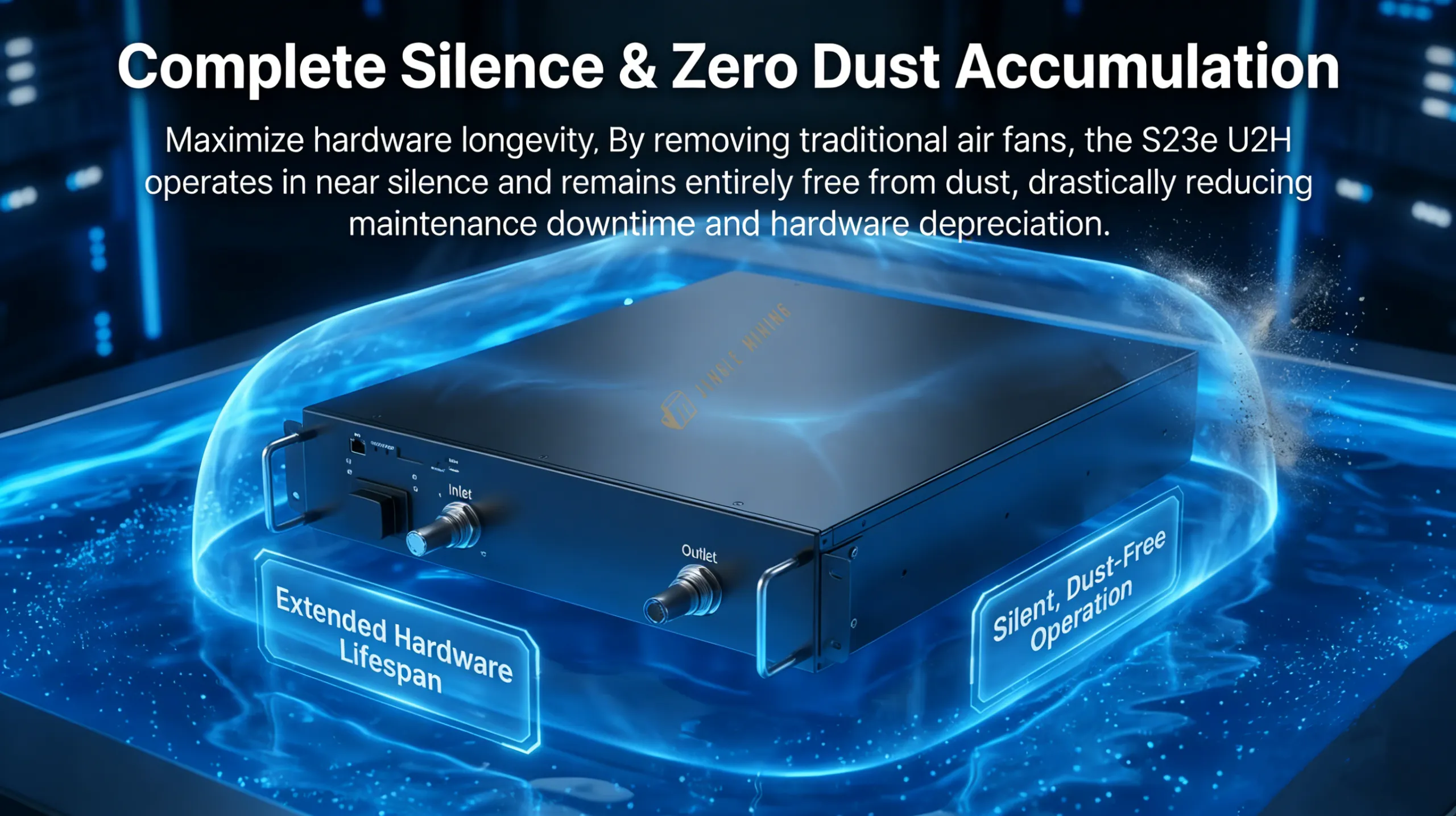
Além disso, a eliminação dos ventiladores de resfriamento de alta velocidade transforma completamente o perfil acústico da instalação de implantação. As operações industriais passam de ambientes perigosamente barulhentos que exigem proteção auditiva pesada para data centers estabilizados e silenciosos. Esta redução acústica não é meramente um fator de conforto; ela simplifica drasticamente as aprovações de zoneamento e a conformidade regulatória em jurisdições sensíveis ao ruído, abrindo novas possibilidades geográficas para a implantação de instalações.
Supremacia Arquitetônica: Por Dentro do Bitmain Antminer S23 Hyd 580th 🔬
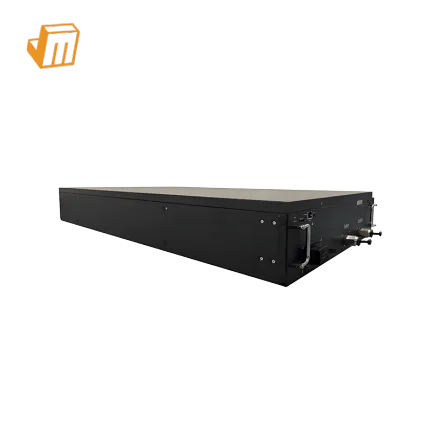
No ápice absoluto desta revolução térmica e computacional está o Bitmain Antminer S23 Hyd 580th. Este aparelho é projetado especificamente para dominar implantações de racks de alta densidade, afastando-se de designs de chassis autônomos para um formato construído estritamente para integração empresarial. A dimensão específica de 3U é uma escolha de design meticulosamente calculada. Ela se alinha perfeitamente com os racks de servidor padrão EIA de 19 polegadas, permitindo que os arquitetos de infraestrutura encaixem o hardware diretamente nas configurações existentes do data center sem exigir sistemas de prateleira personalizados e proprietários.
A saída computacional deste modelo específico estabelece um novo benchmark definitivo para a indústria. Gerando imensos 580 terahashes por segundo, o dispositivo consolida o poder de hash de várias máquinas de geração anterior em uma única unidade coesa. Isto é alcançado através de uma integração magistral de processos de nó de silício de próxima geração e firmware altamente otimizado que regula dinamicamente a entrega de tensão através dos chips individuais. O firmware monitora continuamente a saúde do silício e ajusta os parâmetros do estado de energia em milissegundos, garantindo que as placas de hash operem nos limites absolutos de sua curva de eficiência.
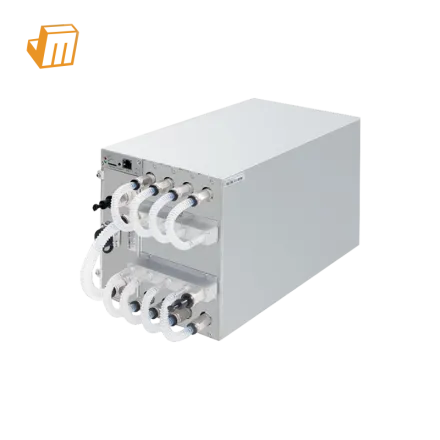
A dinâmica de fluidos interna desta unidade 3U dita sua confiabilidade. O hardware utiliza um sistema avançado de manifold interno projetado para equalizar a pressão do fluido de arrefecimento em todas as placas frias internas simultaneamente. Isto impede a formação de pontos quentes térmicos localizados – áreas microscópicas de calor intenso que normalmente causam degradação de chips individuais em designs de resfriamento a líquido inferiores. A taxa de fluxo precisa garante que o fluido absorva a quantidade máxima de energia cinética antes de sair do chassis. Instalações prontas para atualizar sua infraestrutura existente e integrar este nível exato de densidade computacional podem revisar as dimensões físicas específicas e a logística de pedidos para o Bitmain Antminer S23 Hyd 3U diretamente através de canais de distribuição verificados.
Dominando a Densidade de Rack e a Estratégia de Otimização Espacial 🏗️
O principal ponto de venda do formato 3U vai muito além da própria máquina; ele altera drasticamente a despesa de capital necessária para a construção da instalação. A densidade espacial é uma métrica crítica na economia do data center. Cada metro quadrado de espaço da instalação requer capital para construir, proteger, conectar em rede e alimentar com energia. Ao utilizar um chassis 3U padronizado, um rack padrão de 42U pode acomodar perfeitamente até 14 máquinas individuais, assumindo que o espaço seja alocado para switches de rede e unidades especializadas de distribuição de energia hidráulica.
Esta consolidação extrema da taxa de hash significa que uma instalação pode alcançar sua saída de exahash alvo usando significativamente menos racks. Menos racks se traduzem diretamente em uma redução massiva nos custos de infraestrutura auxiliar. Requer menos aço estrutural, menos reforços especializados no piso, uma redução no comprimento total da fiação e menos switches de rede caros para rotear os dados. A otimização espacial fornecida pelo design 3U garante que o capital seja implantado com eficiência em hardware real gerador de receita, em vez de estruturas de suporte passivas.
Além disso, o design montado em rack simplifica o ciclo de implantação física e manutenção. As unidades utilizam sistemas de trilhos deslizantes robustos, permitindo que os técnicos insiram ou extraiam uma máquina do circuito de fluido perfeitamente sem interromper o status operacional das unidades circundantes no rack. As portas de entrada e saída de fluido são padronizadas e posicionadas na parte traseira do chassis, utilizando válvulas de desconexão rápida de acoplamento cego que impedem o vazamento do fluido de arrefecimento durante o processo de hot-swapping.
Prontidão da Instalação para o Antminer S23 Hyd 3U
Um minerador hidráulico de 580 TH/s deve ser avaliado em relação à prontidão da instalação antes do preço ou ROI. Confirme o requisito de tensão exato para a configuração comprada e não assuma que um ambiente de 220V pode suportar todos os modelos hidráulicos. Para implantações maiores, infraestrutura de 380V ou 415V pode alterar o design do painel, a seleção de disjuntores e os requisitos de eletricista. A prontidão de resfriamento é igualmente importante: o local deve fornecer fluxo de água estável, temperatura de entrada controlada e rejeição de calor suficiente para produção contínua. Em 2026, uma boa análise do comprador deve separar o potencial de desempenho do minerador da capacidade do local de operá-lo com segurança. Adicione uma lista de verificação de prontidão cobrindo tensão, encanamento, monitoramento, desligamento de emergência e acesso de serviço.
Decodificando a Rentabilidade e Resiliência Econômica do Antminer S23 Hyd 3U 📈
O desempenho financeiro do hardware criptográfico é ditado por sua relação de eficiência energética, universalmente medida em joules por terahash. A rentabilidade do Antminer S23 Hyd 3U é ancorada por uma arquitetura projetada para minimizar o desperdício elétrico. Em uma indústria onde a aquisição de eletricidade constitui a esmagadora maioria das despesas operacionais contínuas, garantir hardware com o menor consumo de energia possível por unidade de saída computacional é a única estratégia matematicamente sólida para sobreviver a contrações prolongadas do mercado.
Esta arquitetura específica resfriada a líquido garante que uma porcentagem significativamente maior da receita bruta de recompensa de bloco seja retida como lucro líquido real. Ao operar o silício em um limite térmico mais baixo e perfeitamente estabilizado, os chips sofrem com vazamento elétrico drasticamente reduzido. A eletricidade bruta retirada da rede é traduzida diretamente em hashes criptográficos com perda de conversão mínima. Esta hipereficiência acelera dramaticamente o cronograma de retorno do investimento, permitindo que os alocadores de capital recuperem sua despesa inicial de hardware em um ritmo incomparável pelas alternativas tradicionais resfriadas a ar.
A longevidade inerente a um sistema de resfriamento a líquido de circuito fechado muda fundamentalmente o modelo de depreciação do ativo. O hardware resfriado a ar normalmente sofre uma curva de degradação rápida devido ao ciclo térmico – o constante aquecimento e resfriamento das juntas de solda e do silício quando a máquina é ligada e desligada ou quando as temperaturas ambientes flutuam. O ambiente fluido estável do S23 Hyd elimina completamente o ciclo térmico. Consequentemente, o hardware mantém suas métricas de desempenho de pico ao longo de um ciclo de vida multi-anual significativamente estendido. A máquina continuará a gerar fluxo de caixa positivo muito tempo depois que unidades menos sofisticadas resfriadas a ar tiverem sido forçosamente aposentadas devido ao aumento da dificuldade da rede e falha de componentes internos.
Maximizando a Rentabilidade do Bitcoin Miner S23 Hyd Através da Recuperação de Calor 💡
O cálculo da rentabilidade do Bitcoin miner S23 Hyd deve abranger as capacidades holísticas de todo o ecossistema de implantação. Uma das vantagens mais lucrativas da arquitetura de resfriamento hidráulico é o potencial para recuperação de calor industrial e reaproveitamento comercial. Ao contrário do resfriamento a ar, que expele calor de baixo grau inutilmente na atmosfera, o resfriamento a líquido captura energia térmica de alto grau dentro do circuito de fluido.
Esta energia térmica capturada pode ser redirecionada estrategicamente através de trocadores de calor secundários para subsidiar ou alimentar completamente operações comerciais adjacentes. As instalações estão utilizando ativamente a água quente gerada pelas máquinas para alimentar estufas agrícolas em grande escala, fornecer aquecimento distrital para áreas residenciais ou alimentar processos industriais de secagem de biomassa. Esta utilidade secundária cria um poderoso fluxo de receita duplo. A compensação financeira recebida da venda do calor residual pode compensar significativamente os custos elétricos iniciais necessários para operar as máquinas, essencialmente criando um modelo de energia subsidiado que reduz drasticamente o custo de produção por moeda.
Além disso, a extrema densidade energética da unidade a torna o mecanismo perfeito para monetizar ativos de energia isolados ou restritos. Produtores de energia localizados em barragens hidrelétricas, parques eólicos remotos ou campos de petróleo com gás natural queimado podem implantar essas máquinas altamente eficientes diretamente na fonte de geração. Isto elimina a perda de transmissão e monetiza a eletricidade que, de outra forma, geraria receita zero. Para acompanhar continuamente as variáveis de mercado em mudança, monitorar a dificuldade global da rede e executar modelos financeiros precisos com base nos custos exatos de energia, integrar uma ferramenta dinâmica de rentabilidade de minerador ASIC é essencial para previsões financeiras rigorosas de nível institucional.
Alocação Estratégica de Capital: Analisando o Preço do Bitmain Antminer S23 Hyd 3U 💰
A aquisição de hardware industrial de primeira linha requer uma abordagem sofisticada para a alocação de capital. O Preço do Bitmain Antminer S23 Hyd 3U representa o custo de aquisição de um ativo de nível empresarial, carro-chefe. Embora o desembolso de capital inicial exija um prêmio sobre os modelos legados resfriados a ar ou unidades hidráulicas de geração anterior, avaliar este hardware puramente com base na fatura inicial é um método analítico criticamente falho. A verdadeira avaliação deve ser determinada calculando o custo total de propriedade e o custo por terahash implantado.
A densidade extraordinária da saída de 580 TH/s significa que substancialmente menos unidades físicas são necessárias para atingir uma taxa de hash alvo específica. Comprar uma dessas máquinas efetivamente substitui a despesa de capital, os custos de envio e a mão de obra de implantação de várias unidades mais antigas. Ao considerar as economias em cascata no espaço do rack, infraestrutura de rede e torres de resfriamento, o prêmio inicial do hardware é rapidamente amortizado.
Além disso, o preço inclui a redução massiva no risco operacional. A eliminação de partes móveis como ventiladores de alta rotação, combinada com a natureza hermeticamente selada do chassis protegendo as placas contra danos ambientais, resulta em uma taxa de falha incrivelmente baixa. O capital que tradicionalmente seria mantido em reserva para peças de reposição, logística de reparo e mão de obra de manutenção dedicada pode, em vez disso, ser implantado na aquisição de mais taxa de hash. Ao fazer parceria diretamente com um distribuidor institucional verificado como a Jingle Mining, os operadores garantem estruturas de preços transparentes, logística global segura e acesso a garantia abrangente e suporte de engenharia pós-compra.
Confronto de Hardware Geracional: Bitmain Antminer S23 Hyd 3U vs Antminer S21 Hyd ⚔️
Para avaliar com precisão o salto de engenharia representado por este hardware específico, é necessário conduzir um confronto direto com seu predecessor imediato. Ao analisar o Bitmain Antminer S23 Hyd 3U vs Antminer S21 Hyd, a rápida aceleração do avanço do silício e da engenharia espacial torna-se imediatamente inegável.
O S21 Hyd foi uma peça de hardware fundamental que provou a viabilidade do resfriamento a líquido em escala, oferecendo robusta confiabilidade e excelente gerenciamento térmico. No entanto, a iteração S23 Hyd empurra os limites da física de semicondutores aplicada para um novo território. O diferenciador definitivo é a métrica refinada de joules por terahash. A arquitetura S23 extrai um volume significativamente maior de cálculos criptográficos de cada único watt de energia elétrica consumida. Em uma implantação industrial abrangendo centenas ou milhares de unidades, esta melhoria fracionária na eficiência se compõe massivamente, resultando em milhões de dólares em economia de despesa elétrica ao longo da vida útil da implantação.
Igualmente importante é o avanço na densidade computacional pura. Ambas as máquinas aproveitam circuitos hidráulicos avançados, mas a capacidade do S23 de alcançar 580 terahashes dentro da mesma pegada física padrão de 3U é uma atualização monumental. Permite que uma instalação aumente dramaticamente sua pegada global total na rede sem despejar uma única grama de concreto para expansão física. Os operadores podem simplesmente realizar um hot-swap do hardware, utilizar seus manifolds de água, torres de resfriamento e infraestrutura de entrega de energia existentes, e experimentar instantaneamente um enorme aumento na capacidade geradora de receita. Para conduzir avaliações técnicas altamente específicas, lado a lado, de várias gerações de hardware e determinar o caminho de implantação ideal para uma instalação específica, utilizar um comparador de mineradores avançado fornece os dados empíricos necessários para tomar decisões de aquisição confiantes.
Engenharia do Ecossistema de Resfriamento a Líquido Externo 🌍
Adquirir o hardware é estritamente o primeiro passo; desbloquear todo o potencial financeiro da máquina depende inteiramente da engenharia de precisão da infraestrutura do data center circundante. Implantar essas unidades em escala exige uma arquitetura de instalação de circuito fechado meticulosamente projetada que lida com dinâmica de fluidos e energia de alta tensão com perfeição absoluta.
O componente externo crítico do sistema é o resfriador seco ou o sistema de torre de resfriamento evaporativo. Esses trocadores de calor externos são responsáveis por dissipar a enorme energia térmica capturada do hardware no ambiente externo. O dimensionamento e a capacidade dessas torres devem ser projetados com margem zero para erro, calculados para lidar com a carga térmica máxima absoluta de toda a instalação durante os dias mais quentes do clima local de verão. Se a infraestrutura de resfriamento externa for subdimensionada, o fluido retornando às máquinas permanecerá muito quente, desencadeando limitação térmica automatizada dentro do silício e destruindo imediatamente a rentabilidade projetada.
A química do fluido é um parâmetro operacional não negociável. O sistema de circuito fechado não pode funcionar com água da torneira padrão. Requer fluidos dielétricos projetados especializados ou água altamente purificada e desionizada tratada com biocidas de grau industrial e inibidores de corrosão precisos. A introdução de quaisquer minerais de água dura ou matéria particulada microscópica irá rapidamente calcificar e incrustar os microcanais internos das placas frias de alumínio. Esta incrustação destrói a eficiência de transferência térmica das placas e inevitavelmente levará a falhas catastróficas do hardware.
A infraestrutura elétrica também deve ser fortemente fortificada. Operar racks 3U ultra-densos requer transformadores redutores especializados e unidades de distribuição de energia inteligentes capazes de fornecer energia trifásica de alta tensão estável diretamente ao rack. O sistema deve ser protegido contra microflutuações e picos de tensão transitórios.
Finalmente, garantir que os blocos finalizados sejam registrados e compensados com precisão requer uma topologia de rede impecável. Para garantir estruturas de pagamento consistentes, manter conexões de latência ultrabaixa com a rede e utilizar mecanismos de defesa avançados contra ataques de roteamento, direcionar a enorme taxa de hash agregada da instalação para um nó de mineração institucional de primeira linha como o f2pool permanece o padrão definitivo da indústria para maximizar a captura de receita.
Perguntas Frequentes (FAQ) ❓
P: Qual infraestrutura elétrica específica é necessária para suportar um rack de máquinas resfriadas a líquido 3U?
R: Suportar um rack totalmente preenchido com unidades resfriadas a líquido 3U requer engenharia elétrica de grau industrial. Ao contrário das máquinas padrão que se conectam a tomadas monofásicas de 220V, essas unidades ultra-densas normalmente requerem entrega de energia trifásica de 380V a 415V. As instalações devem implantar transformadores redutores especializados e Unidades de Distribuição de Energia inteligentes e robustas montadas diretamente dentro do rack para lidar com o enorme consumo de amperagem. Os painéis elétricos e disjuntores devem ser classificados para operação contínua, com carga de 100%, sem degradação.
P: Como o fluido de arrefecimento necessário difere dos fluidos de resfriamento automotivos ou industriais padrão?
R: O fluido de arrefecimento usado nesses sistemas é altamente especializado. O anticongelante automotivo padrão contém silicatos e inibidores pesados que entupirão as aletas microscópicas dentro das placas frias da máquina. A mineração de alta densidade requer fluidos dielétricos projetados, que são não condutivos e previnem curtos-circuitos em caso de vazamento, ou água desionizada altamente purificada. Se a água for usada, ela deve ser continuamente monitorada e dosada com agentes anticorrosivos específicos de baixa viscosidade e biocidas para prevenir o crescimento de algas e corrosão galvânica entre diferentes metais no circuito de resfriamento.
P: O chassis 3U pode ser integrado em uma instalação que anteriormente usava tanques de resfriamento por imersão?
R: Embora ambos envolvam líquidos, o resfriamento por imersão e o resfriamento hidráulico direto ao chip são arquiteturas totalmente diferentes. A imersão envolve submergir toda a máquina em um tanque de fluido dielétrico, enquanto o S23 Hyd 3U requer um sistema de manifold de circuito fechado pressurizado para bombear fluido diretamente através das placas frias internas. A transição da imersão para este sistema de rack 3U requer drenar e remover os tanques, instalar racks EIA padrão de 19 polegadas e construir um sistema de tubulação pressurizado completamente novo para entregar o fluido na parte traseira dos racks.
P: Qual é a vantagem precisa da eliminação dos ventiladores de resfriamento em relação à manutenção do hardware?
R: A eliminação dos ventiladores de admissão e exaustão de alta velocidade remove o principal vetor para a morte do hardware: contaminação por partículas. Os ventiladores arrastam poeira, pólen e umidade através dos sensíveis componentes montados na superfície da placa de hash. Com o tempo, essa poeira age como um cobertor isolante, prendendo calor e causando curtos-circuitos quando combinada com a umidade ambiente. Ao remover os ventiladores e selar o chassis, os componentes internos permanecem em um estado imaculado, limpo de fábrica, por toda a vida útil da máquina, reduzindo os requisitos de manutenção física para quase zero.
Veredito Final: Garantindo Dominância na Paisagem Criptográfica 🏆
A trajetória da taxa de hash global está acelerando exclusivamente em direção a infraestrutura ultra-densa e resfriada a líquido. A era de instalações extensas, de baixa densidade e resfriadas a ar operando com margens extremamente estreitas está rapidamente chegando ao fim. Sobreviver aos eventos programados de halving da rede e à pressão contínua ascendente da dificuldade global requer perfeição operacional e eficiência elétrica intransigente.
Esta exaustiva análise do bitmain antminer s23 hyd 3u bitcoin miners estabelece claramente que este hardware transcende atualizações geracionais padrão. É um instrumento industrial altamente especializado projetado para o domínio total do mercado. Ao fundir uma saída sem precedentes de 580 terahashes com a eficiência espacial implacável de um chassis padrão montável em rack 3U, ele concede aos arquitetos de instalações a arma definitiva para maximizar sua densidade de hash enquanto reduz sistematicamente o custo de produção por moeda.
Embora a alocação de capital inicial para aquisição e a infraestrutura de fluido especializada exijam um investimento inicial significativo, esta despesa de capital constrói um fosso defensivo impenetrável em torno da operação. A extrema eficiência energética e a vida útil do hardware fortemente estendida isolam a instalação contra severa volatilidade do mercado e picos agressivos de dificuldade da rede. Garantir esta classe de superioridade tecnológica garante que uma operação permaneça fundamentalmente sólida e altamente lucrativa através dos ciclos econômicos mais severos. Executar uma estratégia de implantação baseada nesta arquitetura resfriada a líquido garante que sua instalação permaneça na vanguarda absoluta da rede criptográfica global.