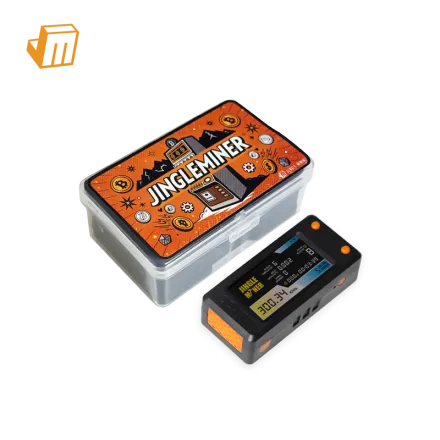

The landscape of cryptocurrency hardware has undergone a massive transformation in recent years. While industrial-scale facilities dominate the global hashrate, a parallel movement has emerged, focusing on accessibility, decentralization, and the pure excitement of network participation. This movement is spearheaded by micro-mining devices designed for individual enthusiasts. At the forefront of this category is the Jingle Miner BTC Solo Mini Lottery Miner, a compact, highly efficient piece of hardware that redefines what it means to participate in securing the blockchain network.
The barrier to entry for securing digital assets has historically been prohibitive, requiring immense capital, specialized cooling infrastructure, and access to cheap industrial electricity. The development of the micro lottery miner changes this paradigm entirely. By utilizing specialized embedded microcontrollers running highly optimized firmware, these devices allow anyone with a standard wireless internet connection and a basic USB power source to engage directly with the network. The hardware strips away the noise, heat, and complex maintenance schedules associated with traditional setups, replacing them with a sleek, silent, and highly engaging desktop experience.
This detailed analysis explores the architectural advantages, operational efficiency, and broader market position of this specific device. Understanding the underlying technology and the economic premise of solo lottery mining is essential for users looking to enter the space without the traditional overhead.
Decoding the Mechanics of a Bitcoin Solo Lottery Miner 🎯
To grasp the value proposition of these compact devices, it is necessary to understand the fundamental difference between standard pool mining and solo lottery mining. Traditional operations combine the hashing power of thousands of machines into a single pool, distributing the block rewards proportionally based on the computational effort contributed by each participant. This method provides steady, predictable, but fractional returns.
A Bitcoin Solo Lottery Miner operates on a completely different philosophy. Instead of splitting the reward with a pool, the device works entirely on its own to solve the cryptographic puzzle required to validate a block. The mathematical probability of a single micro device finding the winning hash is statistically low, functioning exactly like a digital lottery ticket. However, if the device successfully computes the correct hash, the operator receives the entire block reward, completely bypassing the fractional payout system. This all-or-nothing approach appeals to enthusiasts who want the thrill of a massive potential reward without the daily operational stress of running massive arrays of equipment.
The hardware runs continuously, generating millions of hashes per second and verifying them against the network difficulty. Every single hash is a unique attempt to secure the network and claim the reward. Because the device handles the SHA-256d algorithm natively through optimized microarchitecture, it performs this task with remarkable stability. This continuous operation forms the core of the lottery concept: you only need to be right once.
Hardware Architecture and Performance Metrics ⚙️
The engineering behind these compact devices represents a significant achievement in hardware optimization. Traditional equipment relies on massive application-specific integrated circuits that consume thousands of watts of power. In contrast, the micro-mining ecosystem utilizes advanced, low-power microcontrollers specifically programmed to maximize hash output while minimizing thermal output and power draw.
Core Processing Power and the ESP32-S3 Framework
The underlying architecture of the device relies heavily on the capabilities of the ESP32-S3 framework or similar high-performance microcontrollers. This dual-core processor is pushed to its absolute limits through custom-tailored firmware designed exclusively for SHA-256d cryptographic hashing. By stripping away unnecessary background processes and dedicating the processing threads entirely to mining operations, the device achieves a consistent and stable hashrate that maximizes your chances on the network.
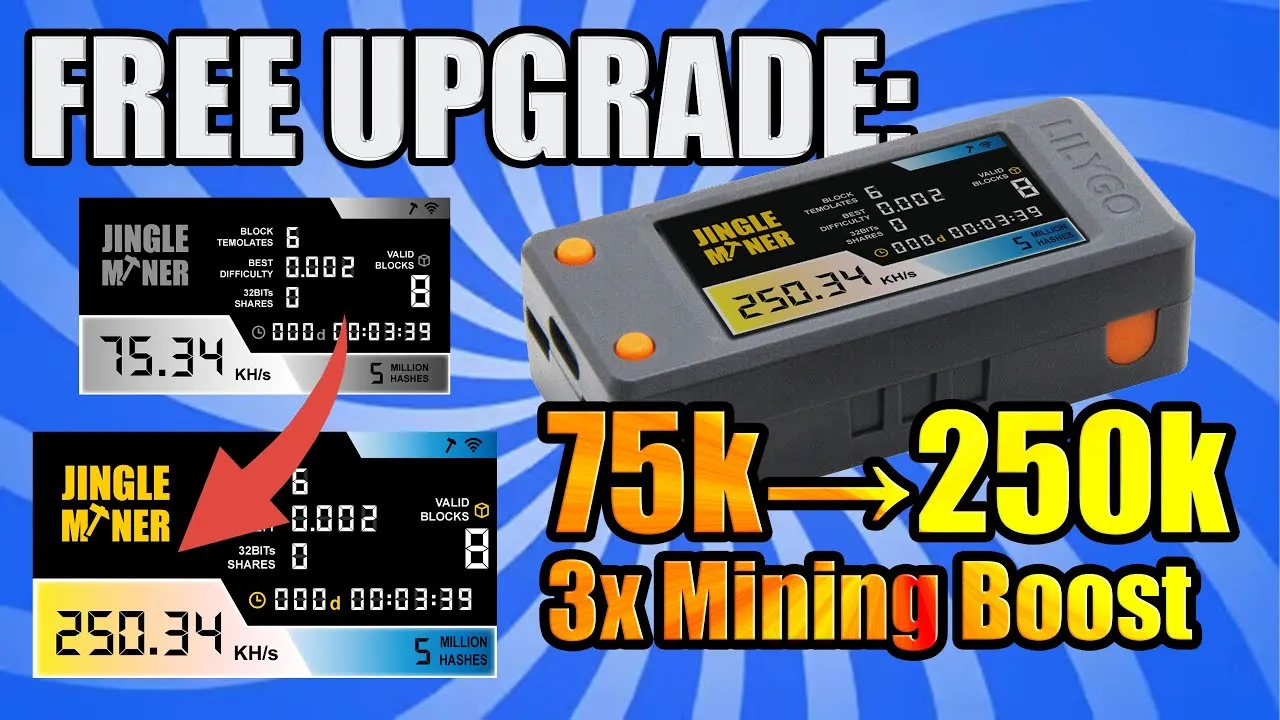
The firmware running on these devices is constantly refined. Software updates frequently push the boundaries of the hardware, squeezing out additional kilohashes per second without compromising the stability of the microcontroller. This commitment to continuous software optimization ensures that the hardware remains relevant and performs at peak efficiency long after the initial setup. The inclusion of a crisp, integrated display provides real-time telemetry, allowing users to monitor their hashrate, network difficulty, and connection status directly on the device without needing secondary monitoring software.
Energy Consumption and Sustainable Operation
One of the most critical aspects of any hardware deployment is power efficiency. When looking at a Btc solo mini lottery miner high efficiency review, the most striking metric is the power draw. Operating at just a few watts, the device can be powered by standard USB interfaces, power banks, or desktop computer ports. This extreme energy efficiency completely eliminates the primary operating cost associated with traditional setups.
Because the power consumption is so negligible, the device runs silently. There are no high-RPM cooling fans, no heavy power supply units, and no special ventilation requirements. This makes it an ideal desktop companion, quietly securing the network in the background. The thermal footprint is practically nonexistent, allowing the hardware to operate continuously in standard room temperature environments without thermal throttling or hardware degradation over time.
Market Context and Hardware Pricing 💰
Evaluating the cost of entry is a critical step for any hardware acquisition. The traditional hardware market is notoriously volatile, with prices fluctuating wildly based on broader market conditions, supply chain constraints, and the cost of silicon. Acquiring standard hardware often involves significant upfront capital and long shipping delays.
The Cost Accessibility Advantage
When analyzing the Bitcoin Solo Miner price, the immediate advantage of the micro lottery miner becomes apparent. The upfront cost is a fraction of a percentage of traditional hardware. This accessibility democratizes network participation, allowing users from all economic backgrounds to run a node and attempt to validate blocks.
This low price point also encourages multi-device setups. Many operators choose to deploy several units simultaneously, expanding their footprint and increasing their statistical probability of finding a block. Because the capital requirement is so low, users can experiment with different network configurations, firmware versions, and physical setups without the financial risk associated with industrial-scale equipment. For those exploring the broader market offerings from Jingle Mining, the portfolio highlights a clear commitment to providing high-quality hardware across all price tiers.
Solo Mining Expectation Check
A mini BTC lottery miner should be reviewed as a learning and probability device, not as a guaranteed income machine. Even with efficient low-power hardware and an ESP32-S3-based design, solo mining success depends on finding a valid block, which is statistically rare for small hashrate devices. The real value is different: users learn wallet setup, pool connection, block explorer tracking, firmware behavior, and the mechanics of SHA-256 mining without running a full industrial ASIC. In 2026, this distinction matters because many new buyers compare solo miners with revenue-focused machines incorrectly. Add a short probability warning, a sample pool dashboard check, and a “who should buy this” section focused on education, hobby mining, and Bitcoin culture.
Analyzing the Competitive Landscape
The micro-mining space has seen various iterations and form factors. When evaluating the Best Bitcoin Lottery Miner, users often encounter different naming conventions and open-source projects. For example, the Bitaxe Solo miner has gained traction for its specific ASIC integration, while the Bitcoin solo Miner Lucky Miner represents another approach to the compact hardware format.
However, the hardware ecosystem provided by Jingle Mining offers a highly refined, out-of-the-box experience that eliminates the friction often found in fragmented open-source builds. The focus is placed entirely on user experience, hardware reliability, and firmware stability. By integrating a dedicated screen, seamless wireless connectivity, and robust components, the focus shifts from troubleshooting hardware to actually participating in the network. The design philosophy clearly prioritizes long-term operation and user accessibility over complex, unfinished engineering samples.
Setting Up and Optimizing the Hardware 🛠️
The deployment process for traditional hardware can take days, involving dedicated electrical circuits, networking infrastructure, and complex configuration files. The micro lottery miner condenses this entire process into a matter of minutes.
Initial Configuration and Wireless Integration
The out-of-the-box experience is designed for immediate deployment. Upon providing standard USB power, the device automatically initializes its wireless access point. Users simply connect to this temporary network using a smartphone or computer, navigate to the local configuration portal, and input their primary wireless network credentials alongside their personal wallet address. Once saved, the device reboots, connects to the internet, and immediately begins hashing.
This streamlined process requires zero command-line knowledge and eliminates the need for complex network routing. The device communicates securely over standard wireless protocols, pulling job assignments from the network and submitting completed hashes automatically. The integrated screen immediately updates to reflect the live hashrate, the current block height, and the status of the connection.
Navigating the Ecosystem
Operating the hardware is only one part of the equation; integrating it into a broader management strategy is equally important. Users are highly encouraged to explore the comprehensive Ecosystem guide to understand how to maximize their operational efficiency. This includes best practices for network stability, firmware update procedures, and hardware maintenance.
While the device operates independently, tracking its performance and understanding the broader network context is vital. This is where specialized platforms come into play. By utilizing a comprehensive Miner comparator, users can visually map the performance metrics of their compact devices against other hardware in the industry. This contextual data is crucial for understanding exactly where the micro miner fits within the global hashrate distribution.
Advanced Strategies and Network Dynamics 📈
While the device functions perfectly as a standalone unit, advanced users often look for ways to optimize their deployment and better understand the network mathematics.
Utilizing Network Tools
Understanding the exact probability and network difficulty requires reliable data. Employing a robust Bitcoin mining calculator allows operators to input their exact hashrate and power consumption. While traditional profitability metrics do not apply linearly to the lottery mining concept, these tools provide invaluable insight into current network difficulty, block reward sizes, and overall ecosystem health. By constantly monitoring these metrics, operators can stay informed about the cryptographic environment their hardware is competing in.
Pool Integration and Protocol Management
Even though the primary purpose of the device is solo operation, the underlying stratum protocol allows for flexibility. The device must connect to a node or a specialized pool that supports solo mining protocols to receive work and submit hashes. Ensuring a low-latency connection to these servers is critical, as high latency can result in stale shares. Some users also experiment with connecting their hardware to massive, established infrastructures like f2pool to analyze connection stability, test different stratum configurations, or verify hardware performance under different network conditions.
The flexibility of the firmware allows the operator to switch between different connection endpoints effortlessly. This means that if a particular geographic server is experiencing downtime, the operator can simply update the configuration portal and resume hashing within seconds. This level of control ensures maximum uptime and continuous participation.
The Broader Impact on Network Decentralization 🌍
Beyond the potential financial reward, deploying a Best Bitcoin solo miner serves a much larger purpose within the cryptocurrency ecosystem. The core philosophy of blockchain technology relies on a distributed network of independent operators securing the ledger. When mining power becomes too concentrated in large industrial facilities, it poses a theoretical risk to the decentralized nature of the network.
By distributing tens of thousands of these micro devices globally, the network becomes significantly more resilient. Every single device, regardless of its total hashrate, represents an independent node processing transactions and validating blocks. This grassroots movement strengthens the security of the network by expanding its physical and geographical footprint. Operating a micro miner is a direct contribution to the health, stability, and fundamental ethos of decentralized digital currency.
When you power on your device, you are not just running a piece of hardware; you are actively participating in a global, borderless financial network. The flashing indicators and updating screen metrics are a direct representation of cryptographic security in action.
Distinguishing Between Hardware Categories 🔍
To truly appreciate the engineering behind the compact format, it is helpful to look at the broader spectrum of available hardware.
A traditional Bitcoin mining machine is designed for absolute maximum throughput. These devices utilize hundreds of specialized ASIC chips, draw thousands of watts, and sound like jet engines. They are built for industrial deployment where economies of scale dictate profitability. They require dedicated infrastructure, specialized maintenance teams, and strict environmental controls.
The micro lottery miner intentionally abandons this industrial approach. It prioritizes user experience, silent operation, and extreme energy efficiency. It is the perfect counter-balance to the industrialization of the network. It allows the hobbyist, the student, and the technology enthusiast to engage with cryptographic hardware without the massive financial commitment. This clear distinction in purpose is what makes the micro mining category so compelling and why it continues to see explosive growth in adoption.
Frequently Asked Questions (FAQ) 💡
To ensure absolute clarity regarding the operation and expectations of this hardware, we have compiled the most critical technical and operational questions from the community.
Q: Is the Best Bitcoin solo miner truly profitable in a traditional sense?
A: The concept of traditional daily profitability does not apply to lottery mining. A standard device provides small, steady daily payouts. A lottery device operates on an all-or-nothing probability model. The device consumes very little electricity, meaning the operational cost is effectively zero. The goal is not daily yield, but rather the statistical chance of capturing a full block reward. It is a highly efficient, silent digital lottery ticket running 24/7.
Q: How exactly does the hardware connect to the blockchain network?
A: The device uses its integrated wireless module to connect to your local internet. Through the firmware, it connects via the stratum protocol to a solo mining pool or an independent node. These servers provide the device with the necessary cryptographic work (block headers) and receive the completed hashes. The entire process is automated once the initial wallet address and wireless credentials are provided.
Q: Can I run multiple units on the same network to increase my chances?
A: Yes. Many operators run multiple units simultaneously. Because the bandwidth requirement for the stratum protocol is exceptionally low, you can run dozens of these devices on a standard home wireless network without impacting your internet speeds or causing network congestion. Each device acts as an independent worker, effectively multiplying your attempts at finding a valid block.
Q: Does the device require maintenance or thermal paste replacement?
A: No. Because the microcontroller operates at such low power levels, it does not generate enough heat to require active cooling or thermal paste. The hardware is completely solid-state with no moving parts. The only maintenance recommended is ensuring the device is kept free of heavy dust and occasionally checking for over-the-air firmware updates to ensure maximum software efficiency.
Q: What happens if my internet connection drops temporarily?
A: The firmware is designed with robust error handling. If the wireless connection is lost, the device will continuously attempt to reconnect to the saved network. Once the connection is re-established, it will automatically request a new job from the server and resume hashing immediately. No manual intervention or rebooting is required.
Q: How do I know if the hardware actually finds a block?
A: The integrated display will show the status of all accepted shares. If the device computes a hash that meets the network difficulty for a block, the attached pool or node will register the block, and the reward will be sent directly to the wallet address you configured during the initial setup. Additionally, blockchain explorers will show the newly generated coins appearing in your wallet.
Final Thoughts: Stepping Into the Future of Solo Mining 🏁
The introduction of specialized micro hardware represents a pivotal moment in the accessibility of blockchain technology. The days of needing massive capital and industrial infrastructure to participate in securing the network are over. The Jingle Miner BTC Solo Mini Lottery Miner perfectly encapsulates this shift, offering a highly refined, efficient, and beautifully designed piece of hardware that anyone can operate.
By prioritizing extreme energy efficiency, silent operation, and a seamless setup process, this device removes all the traditional friction associated with cryptographic hardware. It transforms a complex industrial process into an engaging, plug-and-play desktop experience. Whether you are a seasoned veteran looking to expand your hardware footprint without increasing your power bill, or a newcomer looking for the perfect entry point into the world of digital assets, the lottery miner provides an unmatched value proposition.
The network thrives on participation, and this hardware provides the most direct, elegant, and low-risk method to get involved. The continuous hashing, the sleek interface, and the thrill of the solo block reward create an experience that traditional cloud contracts or fractional pool mining simply cannot replicate.
Are you ready to secure the network and set up your own compact mining operation today?