
240kW Immersion System B24 Tank × 2 Supports up to 48 Antminers or 60 Whatsminers Operating Thesis for Real Deployment
Deploying a 240kW Immersion System, capable of housing up to 60 Whatsminer M50S units, represents a substantial capital investment in large-scale Bitcoin mining infrastructure. Its economic performance hinges on meticulous financial planning, electricity rate optimization, and a granular understanding of market volatility rather than simple hashrate projections. Operators must view such a system through a crypto-asset actuary's lens, prioritizing cash-flow discipline and risk mitigation.
The Immersion Footprint: Scale, Specifications, and Upfront Capital
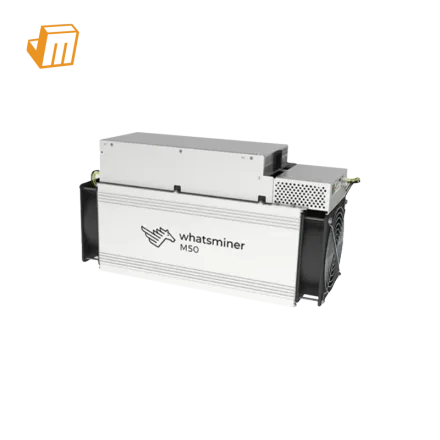
The 240kW Immersion System, comprising two B24 tanks, provides a robust platform designed for high-density, high-efficiency SHA-256 mining. With a capacity to support up to 60 Whatsminer M50S series miners, the system can deliver a significant combined hashrate. For instance, equipping it with 60 Whatsminer M50S units, each typically operating at around 120 Terahash per second (TH/s) with a power draw of approximately 3300 Watts (W), results in a total system hashrate of 7.2 Petahash per second (PH/s). The aggregate power consumption for these miners alone would be 198 kilowatts (kW), leaving substantial headroom within the 240kW system capacity for auxiliary components like pumps, chillers, and power distribution units (PDUs).
This scale of deployment necessitates a considerable upfront capital expenditure. Beyond the cost of the immersion tanks and associated cooling infrastructure, the acquisition of 60 high-performance ASICs like the Whatsminer M50S represents a multi-six-figure investment. The decision to opt for immersion cooling over traditional air-cooled setups often involves a higher initial capital outlay for the specialized equipment, coolant, and more complex electrical and plumbing installations. However, this premium is justified by the promise of enhanced thermal stability, extended hardware lifespan, reduced noise, and the potential for stable performance gains through optimized operating conditions.
A detailed cost model must encompass not just the miners and the immersion tanks, but also industrial-grade PDUs, dry coolers, pumps, specialized dielectric fluid, heavy-gauge electrical wiring, and potentially significant site preparation or facility upgrades. These infrastructure costs, often underestimated, critically influence the overall payback period and the long-term profitability of the operation. Ignoring these elements can skew return on investment (ROI) calculations, leading to unexpected financial pressure when market conditions tighten.
240kW Immersion System B24 Tank × 2 Supports up to 48 Antminers or 60 Whatsminers Payback Variables Buyers Must Verify
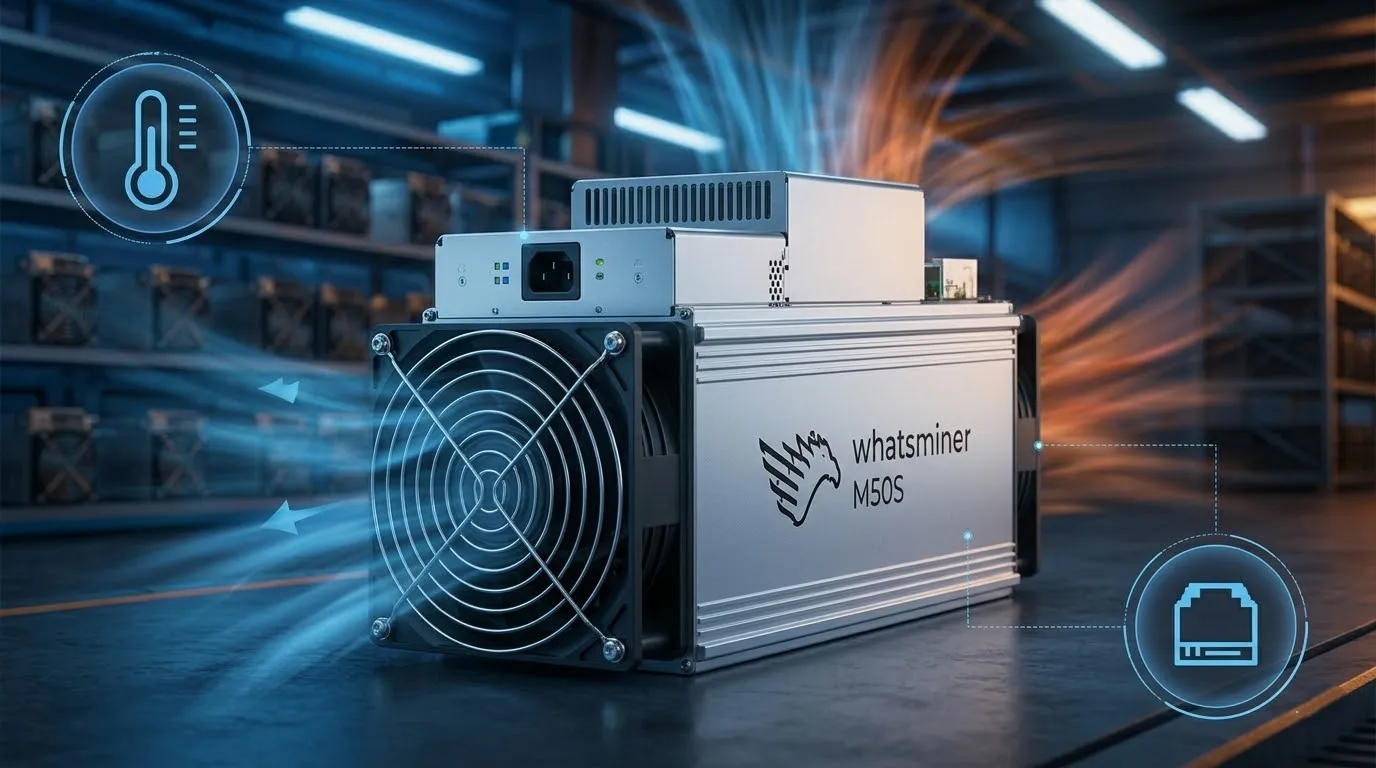
The 240kW Immersion System's operational viability is overwhelmingly dictated by the cost of electricity. With a miner load of 198 kW and an estimated 10-20% additional power draw for pumps, heat exchangers, and other system overhead, the total operational power consumption will hover around 220-230 kW. This consistent, high power demand translates directly into substantial monthly operational expenses (OpEx), making electricity rate sensitivity a paramount concern for any prospective operator. The efficiency of the Whatsminer M50S, typically around 27.5 Joules per Terahash (J/TH), performs adequately against current Bitcoin network difficulty and hashprice. However, even marginal changes in electricity rates can drastically alter the profitability landscape for a system of this size. An operation securing power at 0.03 per kilowatt-hour (kWh) will have a significantly different financial outlook than one paying 0.07/kWh, despite both running identical hardware. Consider the monthly electricity costs for a 220 kW total system draw at varying commercial rates:
· At 0.03/kWh: Approximately 15,840 per month
· At 0.05/kWh: Approximately 26,400 per month
· At 0.07/kWh: Approximately 36,960 per month
· At 0.09/kWh: Approximately 47,520 per month
Securing long-term, fixed-rate electricity contracts is not merely a preference but a strategic imperative for large-scale immersion deployments. For a 7.2 PH/s operation, electricity rates exceeding $0.06/kWh begin to severely compress profit margins, especially during periods of increased network difficulty or stagnant Bitcoin price. The initial payback period, often a key metric for investors, will stretch considerably in higher electricity cost environments, demanding a longer-term investment horizon and a greater tolerance for market fluctuations.
Immersion Infrastructure and Total Cost of Ownership Nuances
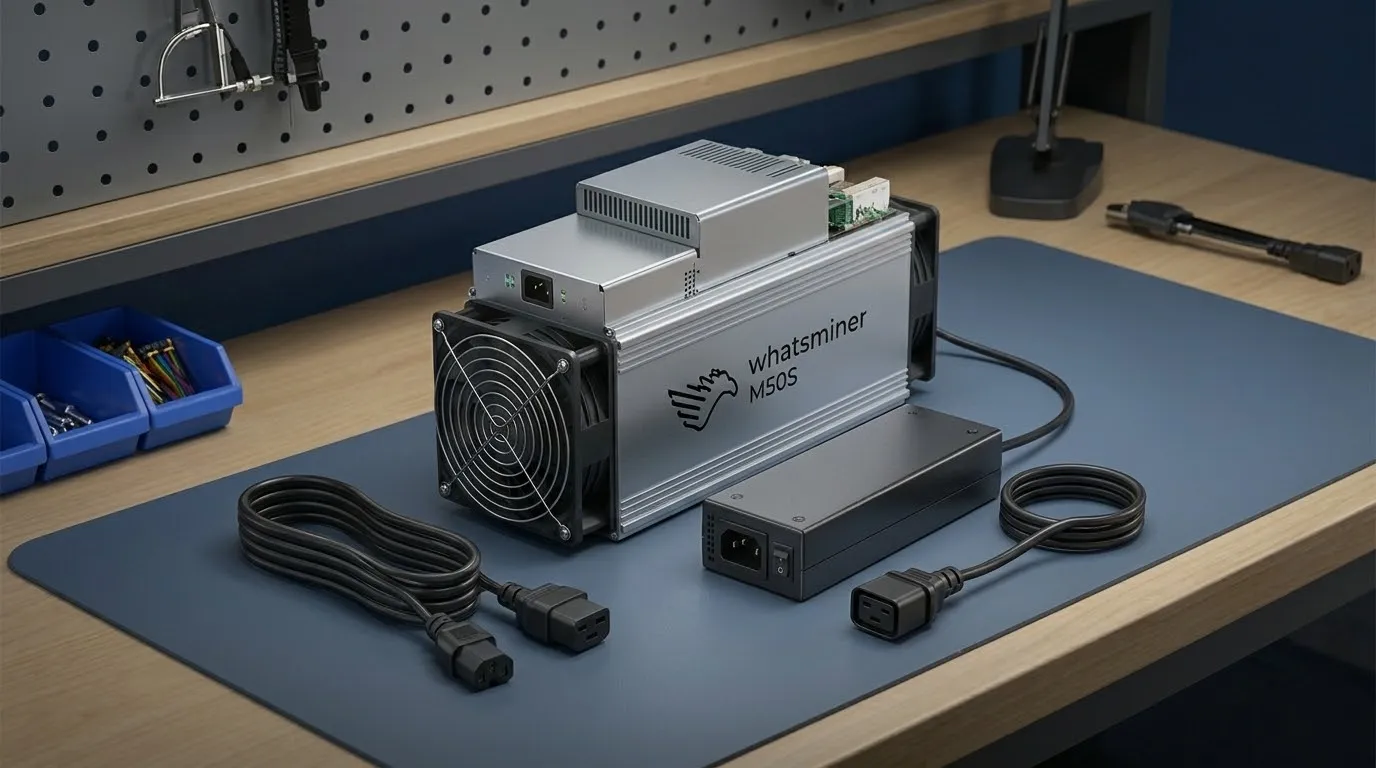
The 240kW immersion system requires a comprehensive infrastructure deployment that extends far beyond the tanks and miners. Essential components include industrial-grade Power Distribution Units (PDUs) capable of handling 240kW, often requiring 480V three-phase electrical service and heavy-duty circuit breakers. External dry coolers or chillers are necessary to dissipate the heat captured by the dielectric fluid, demanding careful consideration of ambient temperatures and facility layout. The specialized dielectric coolant itself represents a notable cost, both initially and for periodic replenishment or filtration. The benefits of immersion cooling are compelling: superior thermal management ensures miners operate within optimal temperature ranges, reducing stress on components and potentially extending their operational lifespan.
The absence of fans on the miners themselves eliminates a common point of failure and reduces ambient noise significantly. Furthermore, the stable thermal environment can facilitate more consistent performance, and in some cases, enable safe, moderate overclocking with optimized firmware, yielding a higher effective hashrate per unit. However, these advantages come with their own set of operational complexities and costs that influence the Total Cost of Ownership (TCO). Maintenance schedules for pumps, chillers, and coolant filtration systems must be adhered to rigorously. Sourcing and managing the specialized dielectric fluid requires specific expertise.
Furthermore, the expertise required for initial deployment and ongoing troubleshooting of an immersion system is generally higher than for a simple air-cooled setup. These elements, including specialized labor and spare parts, contribute to an OpEx profile that extends beyond electricity alone and must be factored into any actuarial assessment of the system's long-term financial performance.
240kW Immersion System B24 Tank × 2 Supports up to 48 Antminers or 60 Whatsminers Value Logic Beyond the Spec Sheet
The profitability of any Bitcoin mining operation, regardless of its efficiency, is ultimately tethered to the dynamic interplay of Bitcoin's price and the network's mining difficulty. A 7.2 PH/s system produces a consistent quantity of Bitcoin over time, but the fiat value of that production fluctuates daily with market prices. Similarly, network difficulty, which adjusts approximately every two weeks, directly impacts how much Bitcoin is earned per unit of hashrate. Rapid increases in difficulty, often driven by new hardware deployments or rising Bitcoin prices, can quickly erode margins if not offset by corresponding increases in BTC value. A critical metric for risk management is the "shutdown price"—the Bitcoin price point at which daily mining revenue equals daily operational costs, primarily electricity.
For a system consuming 220 kW, a miner with 27.5 J/TH efficiency operating at 0.07/kWh has a significantly higher breakeven Bitcoin price than an operation at 0.04/kWh. This threshold is not static; it constantly shifts with network difficulty adjustments, making continuous monitoring and scenario planning essential. Operators must model various Bitcoin price and difficulty scenarios to understand their operational runway and potential for profitability or losses. Strategic planning must also account for Bitcoin's halving cycles and broader market trends. Halving events, which cut block rewards in half, fundamentally reset mining economics, requiring a doubling of Bitcoin price or a significant drop in network difficulty to maintain prior profitability levels.
A long-term perspective is crucial, as payback periods can extend dramatically during bear markets or periods of aggressive difficulty growth. Furthermore, the resale liquidity and residual value of both the immersion infrastructure and the Whatsminer M50S units must be considered as part of the overall investment's lifecycle, providing an exit strategy or a means to recoup capital in adverse market conditions.