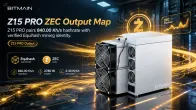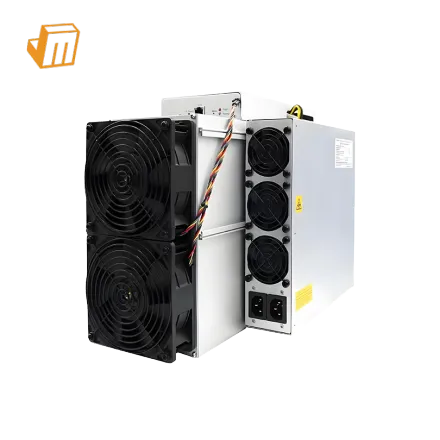

Bitmain Antminer Z15 PRO is a sensible fit for hobbyists who value desk-scale learning and realistic solo-lottery participation, not for buyers seeking predictable mining payback. Its 840.00 Kh/s profile is the practical advantage, while an unverified power path, firmware route, or pool setup is the constraint that should stop a purchase until confirmed.
The Bitmain Antminer Z15 PRO serves as a high-throughput solution for Equihash-based mining, delivering a consistent hashrate of 840.00 Kh/s. Its primary commercial advantage is the ability to maintain significant output levels in competitive network environments, yet its disqualifying constraint is the continuous power draw of 2780 W, which forces a strict dependency on low-cost electricity to avoid operational losses. Investors and operators must prioritize site-specific electrical infrastructure and thermal management to ensure the hardware remains within its intended operating margins.
Deployment Prerequisite Checklist
The physical deployment of the Antminer Z15 PRO requires a rigorous assessment of electrical and thermal capacity to prevent hardware degradation and unexpected downtime. Because the unit demands a continuous 2780 W, operators must verify that their power delivery infrastructure is rated for high-wattage, long-term loads. A failure to provide a stable, dedicated circuit will result in voltage fluctuations, which frequently trigger power supply unit protection mechanisms and may cause permanent damage to the hashboard circuitry over time. It is essential to calculate the total amperage based on local voltage standards to ensure that breakers are not operating at more than the applicable operating margin of their continuous capacity.
Thermal management is equally critical. The 2780 W draw generates substantial heat that must be actively rejected from the operating environment. Effective deployment requires a high-volume airflow path that prevents the recirculation of warm exhaust air back into the intake fans. Operators should monitor ambient temperatures closely, as exceeding the recommended operating range forces the onboard sensors to initiate thermal throttling. This protective measure reduces chip frequency to preserve hardware integrity, which directly causes a drop in the 840.00 Kh/s output.
Prior to power-up, ensure that the networking infrastructure is prepared for low-latency communication. The Z15 PRO relies on consistent Stratum protocol interaction with mining pools. High network latency or intermittent connectivity increases the frequency of stale shares, which are rejected by the pool and represent wasted electrical consumption. A hardwired Ethernet connection is strictly recommended over wireless alternatives to minimize jitter and packet loss. Finally, verify that all power cables are rated for the required current and are seated firmly in their connectors to prevent arcing or thermal buildup at the contact points. Proper cable management also ensures that the intake fans remain unobstructed, maintaining the airflow efficiency required for sustained peak performance.
Configuration & Networking
Configuring the Antminer Z15 PRO for maximum efficiency involves precise adjustments within the administrative interface to align with pool requirements and network conditions. Upon initial startup, the device should be assigned a static IP address to prevent configuration loss during network resets or power cycling. This stability is vital for monitoring software that tracks uptime and performance metrics. Within the miner dashboard, users must configure the primary and failover Stratum URLs to ensure that the device continues to submit shares if the primary pool experiences downtime.
Security protocols should be the first priority after establishing network connectivity. Changing default login credentials and restricting SSH access to trusted local IP addresses are standard practices for mitigating unauthorized access. Once secured, the focus should shift to optimizing pool communication. The Z15 PRO requires a reliable connection to the pool servers to maintain the expected hash submission rate. If the dashboard indicates high reject rates or a significant number of stale shares, examine the network path for latency spikes. Occasionally, switching to a pool server geographically closer to the hardware can reduce round-trip times, thereby improving the efficiency of share submissions.
Firmware management represents another layer of configuration. Operators should verify that the installed firmware version is compatible with the latest pool protocols and security patches. While third-party firmware options exist, they often introduce risks related to hardware stability and warranty voidance. It is generally advisable to utilize official Bitmain firmware unless specific optimization requirements demand otherwise. When updating firmware, always perform a configuration backup and ensure the power supply remains uninterrupted throughout the flashing process, as a power failure during this update can render the control board inoperable. Regularly reviewing the status logs after configuration changes will confirm that the hashboards are communicating correctly with the control board and that the frequency settings remain consistent with the hardware specifications.
Diagnostic Flowchart
Effective troubleshooting for the Antminer Z15 PRO centers on analyzing the diagnostic data provided by the system logs and the real-time status dashboard. When performance drops below the 840.00 Kh/s threshold, the first step is to examine the kernel logs for error strings related to chip initialization or frequency synchronization. If the logs indicate that specific hashboards are missing or failing to report, the issue likely resides in the ribbon cable connection between the control board and the hashboard or in the power delivery to that specific board. Carefully inspect the physical connections, ensuring that no pins are bent or oxidized.
Thermal throttling is a frequent cause of performance degradation that does not immediately appear as a hardware error. If the dashboard shows high chip temperatures and a simultaneous reduction in hashrate, verify that the intake and exhaust fans are operating at their rated revolutions per minute. If a fan reports a zero-RPM reading or behaves erratically, it must be replaced immediately to prevent the system from entering a safety-shutdown state. Furthermore, monitor the reject and stale share rates. A high percentage of rejected shares often points to unstable network conditions or an incorrect wallet address configuration rather than a physical hardware failure. If these rates exceed the expected baseline for your chosen pool, verify the Stratum URL and investigate local network traffic for congestion.
For issues involving total system instability or frequent reboots, investigate the power supply unit. A failing PSU may provide voltage that is within the acceptable range under idle conditions but drops below the required threshold under full 2780 W load. This behavior often manifests as the unit suddenly powering off or failing to initialize the hashboards during a restart. Testing the miner with a known-good power supply can isolate the cause. If the hashboards consistently show zero frequency or fail to initialize, it may indicate a failure in the ASIC chips themselves or a corrupted EEPROM. In such cases, the diagnostic logs will often provide specific error codes that correlate with board-level component failure, which usually necessitates professional repair rather than user-level configuration changes.
Evaluating the commercial viability of the Bitmain Antminer Z15 PRO requires a strict mathematical assessment of its 840.00 Kh/s output against its constant 2780 W power draw. At an efficiency rating of 3.30 W/Kh, this hardware is highly sensitive to fluctuations in the Equihash network difficulty and the prevailing hashprice of targeted digital assets. For commercial operators, the shutdown threshold is not a static temperature metric but a shifting financial boundary where daily power costs surpass the market value of the mined coins. If your local utility rate exceeds the threshold where 2780 W of continuous consumption can be amortized by the revenue of 840.00 Kh/s, the hardware will operate at a net loss. This tight operational margin restricts the viable buyer profile to operators with access to sub-industrial or surplus power rates, while rendering the unit unsuitable for standard residential environments where retail electricity rates quickly erode mining margins.
From an engineering perspective, the thermal output of a continuous 2780 W load requires dedicated, high-volume air exchange to prevent localized heat recirculation. When deploying the Z15 PRO, the physical layout must facilitate a strict separation between the cold intake aisle and the hot exhaust plenum. If ambient intake temperatures rise above safe operating limits, the onboard control board initiates thermal throttling to protect the delicate ASIC architecture. This safety mechanism lowers chip frequencies, resulting in a direct drop below the rated 840.00 Kh/s hash rate and a corresponding decrease in efficiency. Furthermore, the high power draw demands robust electrical infrastructure; operators must utilize heavy-gauge cabling and ensure that power distribution units are rated to handle continuous high-wattage loads without risking voltage drops or terminal degradation over long-term cycles. Verify current technical details against the official Bitmain product documentation.
Network optimization is equally critical to maximizing the daily yield of the Z15 PRO. Because Equihash mining relies on rapid share submission, high pool latency or packet loss directly increases the rate of stale and rejected shares. Since the miner draws a full 2780 W regardless of whether submitted shares are accepted or rejected, any network inefficiency represents pure wasted electricity. Operators should configure the device to connect to geographically optimal mining pools with low ping times and robust Stratum protocol stability. Utilizing hardwired Ethernet connections and implementing static IP addressing across the local network minimizes communication jitter, ensuring that the 840.00 Kh/s processing capacity translates fully into valid pool contributions.
The long-term asset value and depreciation curve of the Antminer Z15 PRO are heavily tied to its operational uptime and hardware integrity. Unlike general-purpose computing hardware, specialized Equihash ASICs have limited residual value outside of active mining networks. To preserve the resale and operational value of the machine, diagnostic signals must be monitored continuously through the system logs and control interface. Regular analysis of chip status, fan speeds, and voltage inputs allows operators to address minor hardware variances before they escalate into catastrophic board failures. Unofficial firmware modifications that promise overclocking should be approached with extreme caution, as exceeding the factory-tuned 2780 W power envelope accelerates silicon degradation, compromises power supply stability, and voids manufacturer warranties.
Ultimately, a clear line exists between the target audience for this machine and those who should avoid it. The Antminer Z15 PRO is a strong candidate for mining farms with established low-cost power contracts, robust cooling infrastructure, and a strategic focus on Equihash algorithms. It also serves as a rugged, educational platform for dedicated hobbyists who possess the specialized electrical connections required for a 2780 W appliance and wish to learn the mechanics of ASIC maintenance. Conversely, this unit should not be purchased by standard residential hobbyists expecting quiet, plug-and-play operation on typical household circuits, nor by commercial investors who lack access to highly competitive, low-cost electricity rates. Without the proper infrastructure to support its high power and cooling demands, the operational overhead will rapidly outpace the mining yield.
Technical Support
Accessing technical support for the Antminer Z15 PRO requires a structured approach to ensure that the information provided to the service team is actionable. When contacting official Bitmain channels or authorized partners, such as JingleMining, always include the serial number of the unit, the current firmware version, and a full export of the system logs. Providing vague descriptions of problems, such as "miner not working," delays the troubleshooting process. Instead, document the specific symptoms observed in the dashboard, such as a missing hashboard or a consistent failure to connect to the mining pool.
Warranty support is typically contingent upon the hardware remaining in its original, unmodified condition. Any attempt to modify the cooling system, replace chips, or install unofficial firmware can void the warranty, leaving the operator responsible for all repair costs. For hardware that is out of warranty, authorized third-party repair centers are often the only viable path for addressing component-level failures. These centers can perform chip reballing, capacitor replacement, and hashboard refurbishment, which can extend the operational life of the device. When shipping hardware for repair, ensure it is packaged securely to prevent damage to the delicate ASIC chips during transit.
Beyond direct support, the mining community provides a wealth of shared knowledge regarding common failure patterns and optimization strategies. Forums and community-led documentation often contain solutions for known firmware bugs or configuration challenges that are not covered in the official documentation. However, exercise caution when applying community-suggested fixes, as these are often experimental and lack the testing rigor of official updates. By maintaining a log of all maintenance activities and support interactions, operators can build a comprehensive history for their devices, which is invaluable for long-term troubleshooting and potential resale. This methodical approach ensures that the Z15 PRO remains a productive asset while minimizing the risks associated with complex ASIC hardware.
Frequently Asked Questions (FAQ)
What is the shutdown threshold for the Bitmain Antminer Z15 PRO?
The shutdown threshold is a dynamic value determined by your specific electricity cost, network difficulty, and the current hashprice. Because this miner consumes 2780 W, you must calculate your total daily electricity expense and compare it against the daily revenue generated by 840.00 Kh/s; when your daily electricity cost exceeds the generated revenue, the device has reached its shutdown price and should be powered off to prevent financial loss.
How often should the Antminer Z15 PRO be cleaned to maintain performance?
The frequency of cleaning depends entirely on the ambient air quality of the operating environment, but a general maintenance interval of every three to six months is recommended. Use compressed air to carefully remove dust from the intake and exhaust fan grills and the heatsink fins, as dust accumulation restricts airflow and leads to higher operating temperatures, which can trigger thermal throttling and reduce efficiency.
Can I upgrade the firmware on my Z15 PRO to improve hashrate?
Official firmware updates from Bitmain are designed to improve stability, security, and pool communication, but they generally do not increase the hashrate beyond the factory-rated 840.00 Kh/s. While third-party firmware may claim to offer higher performance through overclocking, these modifications often increase power consumption beyond the 2780 W rating and can cause irreversible hardware damage or void your warranty.