

The physical reality of extracting digital assets at an industrial or high-density residential scale is governed entirely by the unforgiving laws of thermodynamics. As decentralized networks continuously secure themselves through escalating cryptographic difficulty algorithms, the specialized silicon tasked with solving these mathematical equations requires immense, continuous electrical power. The fundamental physics of application-specific integrated circuits dictate that this massive electrical consumption is inevitably and entirely converted into extreme thermal energy. For the past decade, the industry standard relied exclusively on forcing massive volumes of ambient atmospheric air across dense aluminum heatsinks. However, this legacy aerodynamic approach has firmly reached its absolute physical, acoustic, and economic limits.
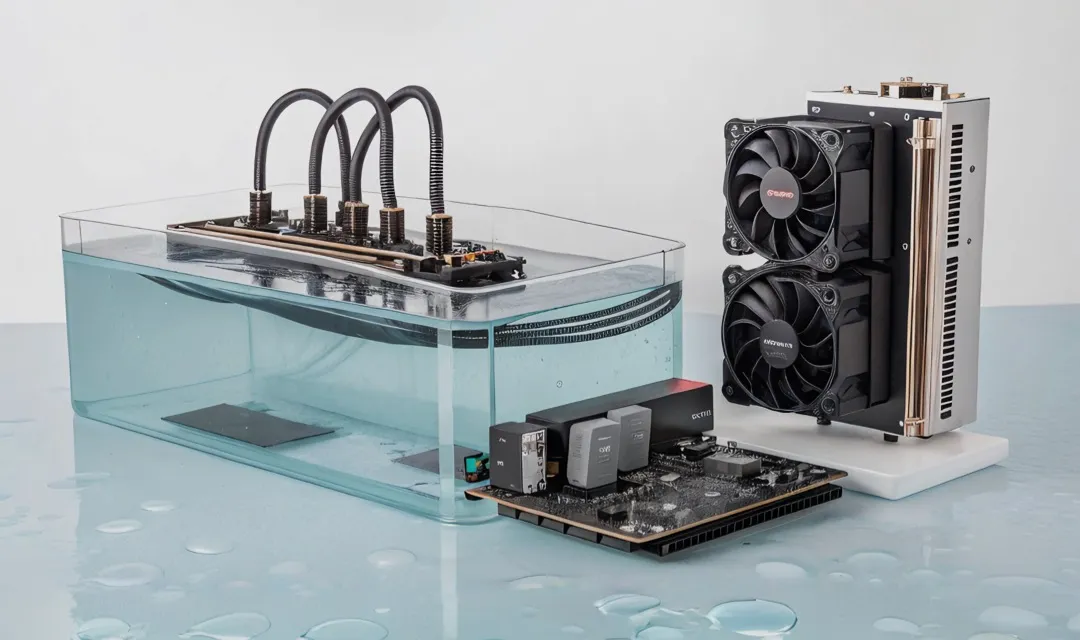
The modern standard for high-performance cryptographic extraction now revolves entirely around advanced liquid thermal management. Understanding the underlying physics, the long-term facility economics, and the environmental deployment strategies of fluid heat transfer is a strict operational requirement for maintaining a competitive hardware edge. The permanent transition toward specialized fluid-based infrastructure represents the most significant structural and technological leap in hardware deployment to date. This highly detailed analysis breaks down the exact mechanics of fluid heat transfer, the geographical environmental suitability of different cooling architectures, and the undeniable economic advantages that are aggressively pushing traditional air-cooled data centers into total obsolescence.
The Thermodynamic Bottleneck of Legacy Air Infrastructure 🌪️
To fully grasp the magnitude and necessity of the current hardware transition, one must rigorously examine the precise physical limitations of traditional air management. Ambient atmospheric air is, by its fundamental molecular nature, a remarkably poor conductor of thermal energy. To temporarily compensate for this physical reality, legacy hardware utilizes ultra-high-velocity industrial fans to force massive amounts of chaotic airflow through the hardware chassis. This brute-force aerodynamic method creates severe secondary operational problems that rapidly degrade overall facility efficiency and hardware longevity.
The physical cooling fans mounted on legacy machines consume a significant portion of the total electrical draw. This is defined strictly as parasitic power. It is electricity that must be paid for at commercial utility rates, yet it generates absolutely zero cryptographic hashes. In inefficient facility setups, up to fifteen percent of the total electrical consumption is wasted entirely on moving air. Furthermore, this high-velocity method acts as an industrial vacuum, continuously pulling microscopic dust, pollen, silica, and environmental humidity directly from the surrounding atmosphere into the delicate electronics.
Over time, this particulate matter heavily cakes onto the internal aluminum heatsinks. This creates a highly effective insulation layer, severely preventing heat from escaping and causing internal silicon temperatures to spike dangerously. This degrades the microscopic circuitry, forces the silicon chips to thermally throttle to prevent melting, and requires constant, labor-intensive physical maintenance routines that cause unacceptable facility downtime.
This forces a critical evaluation of the modern Crypto Mining cooling system. Water and engineered thermal fluids possess a specific heat capacity and thermal conductivity drastically higher than ambient air. They can actively absorb, transport, and dissipate heat away from delicate silicon components with unprecedented speed and precision. By replacing chaotic airflow with controlled fluid dynamics, operators permanently eliminate the parasitic power draw of massive fans, eradicate localized noise pollution, and create a hermetically sealed internal environment entirely free from destructive environmental contaminants.
Decoding the Thermal Architecture: Hydro Systems vs Full Submersion 💧
The overarching category of Liquid cooling mining actually encompasses two entirely distinct deployment methodologies. While both advanced architectures utilize high-density fluid to manage thermals, their facility infrastructure prerequisites, capital expenditures, and daily operational mechanics differ significantly.
Direct-to-chip ASIC water cooling, universally referred to within the industry as hydro cooling, involves a meticulously engineered closed-loop plumbing system. Highly specialized micro-finned liquid metal blocks are mounted directly onto the bare hashing chips during the manufacturing process. A specially treated, anti-corrosive, and biocide-infused coolant fluid is pumped strictly through these sealed blocks, absorbing the extreme heat at the exact microscopic source of generation.
The heated fluid is then rapidly routed out of the machine via industrial manifolds to an external heat exchanger. This external unit, often a massive Hydro cooling radiator for ASIC Miner or a facility-scale external dry cooler, dissipates the thermal energy into the outside atmosphere before the chilled fluid is cycled relentlessly back into the hardware. This method is highly precise, requires significantly less total fluid volume per facility, and allows for incredibly dense hardware stacking in standard server rack configurations.
Conversely, Antminer Immersion Cooling and similar two-phase or single-phase dielectric fluid systems operate on a completely different structural paradigm. This involves entirely submerging the bare hardware unit, with all standard fans completely removed, into a specially designed heavy-duty steel tank filled with an engineered, non-conductive synthetic hydrocarbon fluid. The liquid directly contacts every single microscopic surface of the hashing boards, offering absolute uniform thermal absorption. Immersion provides the absolute highest tier of temperature stability and completely eliminates all moving parts on the machine itself, drastically reducing physical wear and tear on the components over years of continuous, high-intensity operation.
Deployment Topography: Matching Thermal Architecture to Environmental Extremes 🗺️
Selecting the correct thermal management system is strictly dependent on the specific geographical location and the localized environmental hazards of the deployment facility. Deploying the wrong thermal architecture in a hostile climate guarantees rapid hardware failure and catastrophic capital loss.
Traditional air-cooled hardware is completely at the mercy of its external geography. It is strictly viable only in sub-arctic or highly temperate climates with naturally low humidity and exceptional atmospheric purity. Deploying air-cooled units in coastal geographic regions introduces microscopic salt aerosol ingestion, leading directly to rapid galvanic corrosion of the internal hashing boards and power supply units. Deploying them in arid desert environments guarantees massive sand and silica ingestion, destroying fan bearings and completely suffocating heatsinks. Even in highly ideal cold climates, the constant shift between freezing night air and warm daytime air causes severe thermal cycling. This continuous physical expansion and contraction of the silicon creates microscopic fractures in the delicate solder joints, ultimately destroying the hardware permanently.
Direct-to-chip hydro architecture represents the most versatile and highly adaptable deployment strategy currently available. Because the internal fluid loop is entirely sealed and pressurized, the delicate silicon is completely isolated from the outside atmospheric air. This makes hydro units highly suitable for environments with heavy dust, high humidity, or severe airborne contaminants.
Furthermore, hydro systems excel in hybrid deployments, including standard commercial real estate and high-density residential setups. The internal hardware operates in total silence. The only acoustic noise generated is from the external dry cooler, which can be placed on a commercial roof or outside a residential structure, functioning acoustically very much like a standard central air conditioning unit. Hydro cooling tolerates moderate to high ambient outdoor temperatures exceptionally well, as the massive surface area of the external radiators easily compensates for the warmer external air.
Full submersion tanks are the definitive industrial solution for the absolute most extreme, hostile environments on the planet. For facilities located in the deep equatorial deserts where ambient temperatures routinely exceed the safe operational limits of traditional hardware, or in extremely humid tropical zones, immersion is the only mathematical option for survival. However, immersion systems require massive structural facility prerequisites. The sheer physical dead weight of a heavy-gauge steel tank filled with hundreds of gallons of dense dielectric fluid requires specialized reinforced concrete facility floors. The dielectric fluid itself is a massive upfront capital expenditure. This architecture is strictly designed for permanent, institutional-scale infrastructure where maximizing the absolute longevity of the silicon takes strict precedent over initial facility build-out costs.
The Financial Matrix: Profitability and Capital Expenditure Economics 📊
Evaluating Water cooling mining asic miners profitability requires a highly sophisticated look at both capital expenditures and daily operational overhead. The upfront procurement cost of acquiring premium hydro-ready hardware, along with the necessary heavy-duty plumbing infrastructure, variable-frequency water pumps, and Coolant Distribution Units, is undeniably higher than simply purchasing standalone legacy air units.
However, the long-term operational economics rapidly and aggressively offset this initial infrastructure investment. By completely eliminating internal high-RPM fans, a fluid-cooled system drastically reduces its total electrical draw. Every single watt of electricity previously wasted on pushing air is immediately reallocated to generating pure cryptographic hashes. Additionally, the unique ability to safely and consistently overclock hydro units due to their drastically superior thermal management allows skilled operators to extract significantly more hash rate from the exact same physical silicon compared to an air-cooled equivalent.
When analyzing community consensus, debates surrounding whether the infrastructure is a Water cooling mining cost effective reddit topic consistently highlight the massive long-term operational savings. Lower hardware failure rates, absolute zero dust mitigation maintenance, drastically reduced facility HVAC requirements, and consistently higher sustained hash rates compound heavily on a daily financial basis. Identifying the Best water cooling mining cost effective architecture requires looking far beyond the initial purchase order and modeling the entire multi-year lifecycle of the equipment.
To highly accurately project these long-term financial returns based on specific localized commercial utility rates and real-time blockchain network difficulties, operators rely heavily on dynamic ASIC miner profitability tracking systems to map out their exact financial break-even horizons. Engineering the absolute most efficient hardware deployment is the primary technological differentiator between struggling operations and highly lucrative, resilient deployments.
Hardware Benchmarking: Performance Reliability Under Maximum Pressure ⚖️
When analyzing the modern hardware procurement market, directly comparing a standard legacy unit vs a Water cooled ASIC miner reveals a stark, undeniable contrast in total revenue generation potential. Traditional air units inevitably face severe thermal throttling during peak summer months or unexpected facility heat waves. When silicon chips throttle to protect themselves from reaching melting points, the actual submitted hash rate drops significantly, immediately cannibalizing daily digital asset revenue.
Water-cooled variants operate completely independently of ambient indoor air temperatures. By utilizing a dedicated, pressurized external fluid loop, the internal silicon remains at a constant, highly optimal operating temperature regardless of the external global climate. This unwavering thermal stability allows the internal chips to operate at their absolute peak theoretical hash rate continuously, twenty-four hours a day, without a single microsecond of thermal interruption.
For operators looking to rigorously benchmark the exact performance differences between legacy aerodynamic systems and modern hydro units, utilizing a professional miner comparator tool is absolutely essential. This dynamic software logic allows for precise, objective side-by-side evaluations of total power draw, sustained maximum hash rate, and overall energy efficiency, completely bypassing generic manufacturer marketing claims to focus strictly on raw, verifiable blockchain performance data.
Environmental Integration and Advanced Thermal Recuperation 🌱
The broader digital asset industry currently faces intense global scrutiny regarding its macro energy footprint. Addressing this environmental impact requires a fundamental structural shift in exactly how hardware infrastructure operates at scale. The evolving narrative surrounding How Water Cooling is Driving Sustainability in Mining Farms is deeply rooted in the highly efficient concept of thermal recuperation and energy recycling.
In a traditional air-cooled facility setup, the massive amount of extreme heat generated is simply blasted out into the atmosphere via massive exhaust fans. It represents entirely wasted kinetic and thermal energy. Advanced fluid-based systems seamlessly capture this exact same thermal energy within a closed, highly pressurized liquid loop. This concentrated, high-grade liquid heat can then be effectively redirected and highly profitably repurposed for external industrial, commercial, or municipal applications.
Modern hydro infrastructure setups are currently being successfully integrated into urban district heating systems, massive commercial agricultural greenhouses, and industrial lumber drying kilns. By successfully capturing and actively monetizing the byproduct heat, forward-thinking operators drastically lower their net carbon footprint and effectively transform their computing facilities from pure energy consumers into highly efficient, dual-purpose thermal generation plants. This closed-loop thermal efficiency firmly positions fluid thermal management as the absolute only viable, politically acceptable path forward for large-scale, environmentally conscious blockchain infrastructure development.
Orchestrating the Digital Ecosystem and Network Infrastructure 🌐
World-class physical thermal infrastructure represents only one side of the total operational equation. The supporting digital software ecosystem and network connectivity must be equally robust to handle the incredibly high-density computational output. Because advanced fluid systems allow for vastly tighter physical clustering of hardware within a much smaller facility footprint, flawlessly managing the internal network traffic and ensuring highly stable, uninterrupted data communication with the broader global blockchain is critical.
Directing this massive, concentrated computational throughput requires a highly reliable, ultra-low-latency stratum connection to a top-tier global aggregator. Establishing a steadfast connection with deeply capitalized and historically stable networks like f2pool ensures that the continuous, high-volume hash rate generated by a thermally optimized fleet is strictly accounted for, verified rapidly, and consistently monetized with absolute minimal orphan blocks or debilitating network latency.
Furthermore, orchestrating the overarching facility logistics involves deeply integrating the fluid dynamics monitoring systems with specific hardware management software. Simultaneously tracking fluid flow rates, liquid intake temperatures, individual chip performance metrics, and global pool hash rates requires a cohesive, centralized operational strategy. Exploring a highly comprehensive mining ecosystem guide provides the necessary architectural blueprint for seamlessly synchronizing the physical plumbing infrastructure with digital monitoring tools, ensuring the entire facility operates perfectly as a single, highly tuned cryptographic organism.
High-Intent Market Inquiries (FAQ) ❓
Q: Is water cooling the best cooling method for Bitcoin mining?
A: Yes. From a strictly thermodynamic, acoustic, and overall operational efficiency standpoint, advanced fluid transfer is vastly superior to ambient air management. It completely eliminates parasitic fan power draw, guarantees absolute stable chip temperatures regardless of severe outdoor climates, entirely prevents internal dust accumulation, and drastically extends the profitable lifecycle of the silicon hardware by completely eliminating thermal cycling fatigue.
Q: What are the Best water cooling mining asic miners currently available for deployment?
A: The optimal hardware selection strictly depends on the facility infrastructure. Direct-to-chip hydro units from top-tier manufacturers are currently dominating the market due to their massive hash rate output, extreme electrical efficiency, and ability to mount seamlessly into standard data center racks without requiring the massive floor load reinforcements necessary for heavy immersion tanks.
Q: How exactly does a Water cooled ASIC miner protect silicon longevity compared to air units?
A: Legacy air cooling subjects silicon to constant, damaging thermal cycling. The chips physically expand when hot under heavy computational load and contract when ambient air cools the facility at night. This continuous micro-movement fractures the internal microscopic solder joints over time. Fluid loops maintain an absolute static, unwavering temperature twenty-four hours a day, completely eliminating thermal fatigue and the physical degradation of the chip architecture.
Q: What specific fluid is required for Antminer Immersion Cooling tanks?
A: Immersion systems cannot use standard treated water, as it would instantly short-circuit the exposed bare electronics. They utilize highly specialized engineered dielectric fluids. These are typically synthetic hydrocarbons or advanced fluorochemicals that are completely electrically non-conductive but possess massive thermal conductivity, allowing live, powered electronics to be safely fully submerged.
Q: Is an external Hydro cooling radiator for ASIC Miner mandatory for operation?
A: Yes. A hydro unit cannot function independently. The heated fluid must be actively pumped out of the machine and passed through a dedicated external radiator or a massive facility-scale dry cooler. This external unit uses vast surface area to dissipate the thermal load into the outside atmosphere before returning the chilled fluid to the silicon. Operating without this critical heat rejection infrastructure will cause instantaneous, catastrophic overheating.
Q: Does ASIC water cooling genuinely remain profitable during severe market downturns?
A: Yes, it is strictly more financially resilient than legacy aerodynamic setups. Because hydro units eliminate the parasitic power draw of internal fans, their baseline electrical efficiency is mathematically higher. During deep market downturns when inefficient air-cooled machines must power off because their electricity costs exceed the coin value, highly efficient hydro machines can remain completely operational, allowing operators to continuously accumulate assets.
Strategic Infrastructure Conclusion 🏁
The era of operating massive, rudimentary warehouses filled with deafening, dust-clogged equipment relying solely on unpredictable ambient air is rapidly drawing to a permanent close. The definitive future of decentralized cryptographic infrastructure is entirely quiet, surgically precise, and incredibly energy-efficient. By completely isolating the delicate hashing silicon from harsh environmental variables and entirely eliminating structural thermal fatigue, advanced fluid dynamics strictly unlock the true maximum potential of the hardware architecture.
The institutional transition to this advanced technology is no longer an experimental luxury; it is a strict mathematical necessity for maintaining operational viability in a highly competitive, globally scaled digital landscape. The complete elimination of parasitic fan power, the extreme extension of hardware lifespans, and the unprecedented ability to monetize byproduct thermal energy permanently solidify fluid systems as the absolute apex of modern deployment strategies. To thoroughly evaluate the strategic integration of this superior technology into your specific operational climate and to explicitly procure the most advanced hardware solutions available globally, access the official Jingle Mining platform and align your physical infrastructure with the undeniable technological future of the industry.