
The Macro Environment: Regulatory Tailwinds and Evolving Network Dynamics
The recent legislative actions, exemplified by the South Carolina governor signing a bill to protect Bitcoin miners and prohibit Central Bank Digital Currencies (CBDCs), mark a pivotal shift in the regulatory landscape for cryptocurrency operations. This protective stance by state-level authorities signifies a growing acceptance and institutional endorsement of decentralized digital assets, particularly Bitcoin. Such a move substantially de-risks domestic mining ventures, cultivating an environment conducive to stability and potential expansion for infrastructure investments.
This newfound regulatory clarity, however, must be contextualized against the backdrop of an ever-increasing network difficulty, which remains the primary determinant of mining profitability. As more capital and computational power are directed towards Bitcoin mining, the difficulty inevitably trends upward, compressing margins for operations that lack efficiency or strategic positioning. The long-term implications of Bitcoin's halving cycles, when combined with these positive regulatory signals, create a complex yet potentially lucrative environment for well-prepared miners.
The explicit ban on CBDCs further underscores a preference for permissionless, open-source blockchain technologies, reinforcing the fundamental value proposition of established cryptocurrencies like Bitcoin and Ethereum Classic. This confluence of factors demands a sophisticated approach to hardware selection and operational strategy.
Strategic Positioning: Where Advanced ASICs Fit the Trend
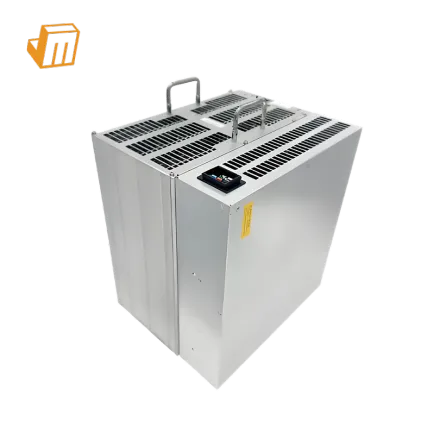
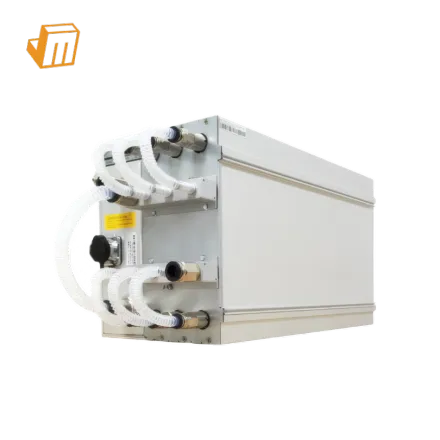
In an operational climate characterized by supportive regulation and intensifying network difficulty, the judicious deployment of highly efficient mining hardware becomes a critical differentiator. Machines such as the Bitmain Antminer S21e Hyd, boasting 310TH/s at 5270 W with an efficiency of 17.00 W/TH, and the Bitmain Antminer S21 Imm, delivering 215TH/s at 3440 W with 16.00 W/TH efficiency, are purpose-built for the SHA-256 algorithm. These high-performance ASICs are direct beneficiaries of pro-Bitcoin legislation, as their operational focus aligns perfectly with the protected asset. Their combination of formidable hashrate and industry-leading efficiency is indispensable for sustaining profitability as Bitcoin network difficulty relentlessly ascends.
Conversely, the JASMINER X16-QE, with its 1850Mh/s hashrate at a modest 550 W, achieving 0.30 W/MH efficiency, operates on the Ethash/Etchash algorithm, primarily targeting Ethereum Classic (ETC). While not directly targeted by Bitcoin-specific legislation, the broader pro-crypto sentiment and anti-CBDC stance foster a generally favorable market condition for all decentralized cryptocurrencies. The X16-QE's significantly lower power draw and high efficiency within its algorithm position it as a compelling option for diversified mining portfolios or operations aiming to capitalize on altcoin market movements without the massive infrastructure demands of SHA-256 powerhouses.
Strategic advantages in this evolving market include:
· Enhanced Regulatory Certainty: State-level protection significantly mitigates operational risk, thereby encouraging long-term capital investment in mining infrastructure. This stability is particularly advantageous for high-capital expenditure machines like the Antminer S21 series, where long-term planning is crucial.
· Efficiency as a Profitability Buffer: The superior efficiency of advanced models like the S21 Imm and S21e Hyd enables them to more effectively absorb the impact of rising network difficulty and fluctuating electricity costs compared to older generation hardware. This resilience ensures a more stable and sustained revenue stream.
· Algorithm Diversification Potential: The JASMINER X16-QE offers a strategic pathway for diversification into Ethash-based mining. This strategy can mitigate risks associated with exclusive reliance on a single algorithm and coin, providing exposure to the broader crypto ecosystem. Its comparatively low power footprint also facilitates more flexible and potentially smaller-scale deployment options.
· Competitive Edge through Technology: Investing in the latest generation of ASICs ensures that miners remain at the forefront of technological capability. This maximizes their potential share of block rewards in an increasingly competitive field, safeguarding future operational viability.
Future Outlook & Ecosystem Impact
The future trajectory of cryptocurrency mining is inextricably linked with global and localized regulatory frameworks. The proactive legislative stance adopted by states such as South Carolina could initiate a competitive dynamic among various regions, each vying to attract blockchain investment. This could lead to a mosaic of favorable regulatory environments across different jurisdictions, empowering miners to strategically position their operations in areas offering the most supportive legal and energy landscapes. For SHA-256 miners utilizing machines like the Antminer S21 series, this translates into a more predictable operational horizon, facilitating long-term strategic planning and significant investment in sustainable energy solutions to meet their substantial power requirements.
For Ethash miners employing hardware such as the JASMINER X16-QE, a generally positive regulatory climate can foster expansion within the broader altcoin market, potentially enhancing the value and stability of assets like Ethereum Classic. The explicit rejection of CBDCs reinforces the foundational ethos of decentralized cryptocurrencies, potentially driving further mainstream adoption and increasing the overall security and value of these networks through sustained mining activity. This legislative trend, if it continues to gain momentum, could solidify the United States as a formidable hub for decentralized digital asset innovation and mining.
Strategic Conclusion
The legislative actions observed in states like South Carolina provide a compelling foundation for the continued expansion and professionalization of the cryptocurrency mining industry. This pro-Bitcoin, anti-CBDC stance offers a distinct advantage to miners, furnishing a degree of regulatory certainty that is often elusive in the nascent crypto space. For those looking to capitalize on this trend, investing in high-performance and efficient hardware is not merely a technical consideration but a strategic imperative. The Bitmain Antminer S21e Hyd and S21 Imm represent the vanguard for SHA-256 mining, offering the requisite efficiency to thrive amidst rising network difficulty, particularly in jurisdictions that uphold Bitcoin's foundational principles. The JASMINER X16-QE, while serving a different algorithm, benefits from the broader positive sentiment towards decentralized digital assets, presenting a robust option for portfolio diversification with its competitive Ethash performance.
> Market Verdict: This is a highly viable strategy for the current market cycle, especially for miners positioned to leverage supportive regulatory environments. The combination of high-efficiency SHA-256 machines and diversified Ethash options provides both resilience and significant opportunity.
Explore the latest in mining technology and secure your operations by visiting the JingleMining website.
Frequently Asked Questions (FAQ)
Q: How do state-level pro-Bitcoin laws influence the mining industry?
A: State-level pro-Bitcoin laws can significantly de-risk mining operations by providing regulatory certainty and protection against adverse policies. This stability encourages investment in infrastructure and long-term planning, fostering growth within the local and national mining industry.
Q: What is the primary difference in strategic application between SHA-256 and Ethash miners in today's market?
A: SHA-256 miners, like the Antminer S21 series, are optimized for Bitcoin mining and directly benefit from pro-Bitcoin legislation, aligning with the core regulatory shifts. Ethash miners, such as the JASMINER X16-QE, target cryptocurrencies like Ethereum Classic, benefiting from broader pro-decentralized crypto sentiment and offering portfolio diversification.
Q: Why is miner efficiency so critical in a market with increasing network difficulty?
A: Miner efficiency is paramount because as network difficulty rises, the computational power required to mine a block increases, making less efficient machines more expensive to operate. Highly efficient miners consume less power per unit of hash, allowing them to maintain profitability and competitiveness by reducing operational expenditures.