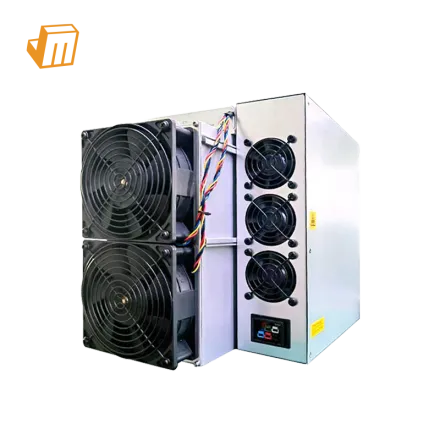

If you're new to cryptocurrency mining and looking to invest in your first ASIC miner, it's easy to get overwhelmed by technical terms, hardware options, and conflicting advice. Unlike general electronics, ASIC miners are purpose-built for solving complex cryptographic algorithms to earn crypto rewards, and their performance directly impacts profitability. This guide breaks down everything you need to know to choose your first ASIC miner, while avoiding common beginner pitfalls. For a more comprehensive understanding of the mining ecosystem, check out our dedicated learning page: https://www.jinglemining.com/guide/ecosystem.
Key Factors to Consider When Choosing Your First ASIC Miner
As a beginner, focusing on these 4 core factors will ensure you pick a miner that's profitable, easy to use, and durable.
1. Hash Rate vs Power Efficiency (The Most Critical Metric)
Many beginners only look at hash rate (the speed at which a miner solves algorithms, measured in TH/s). While hash rate matters, power efficiency (measured in J/TH, joules per terahash) is the true determinant of profitability. A miner with a lower J/TH uses less electricity to generate the same hash rate, and electricity costs are your biggest ongoing expense.
Electricity prices can be divided into three tiers that affect mining profitability:
· Below $0.07/kWh: Pure profit zone, suitable for large-scale mining or hosting. Miners remain profitable even in a bear market.
· $0.08-$0.12/kWh: DCA mining zone, ideal for long-term coin hoarders, with high-efficiency miners recommended.
· Above $0.12/kWh: Energy swap zone. Simple mining is barely profitable, and miners are recommended to be used as "profitable heaters" to offset heating costs.
Bitcoin's network difficulty adjusts every 2016 blocks (roughly two weeks). As more miners join, difficulty increases, and a low J/TH miner will hold value and stay profitable longer than a high-J/TH alternative when difficulty spikes.
2. Upfront Cost vs Return on Investment (ROI)
ASIC miners range from a few hundred to several thousand dollars. Beginners should avoid the cheapest (outdated and inefficient) and most expensive flagship models (overkill for small-scale mining). Calculate ROI using this formula:
ROI = (Upfront Miner Cost + Ongoing Costs) / (Daily Crypto Earnings – Daily Electricity Costs)
Crypto prices fluctuate, so use conservative estimates (e.g., assume a 10-15% drop in value). Electricity rates above $0.12/kWh will make most miners unprofitable if only used for mining. Use free calculators like WhatToMine to input your hash rate, power efficiency, electricity cost, and pool fees.
Industrial/hosting mining has an 8–12 month payback period, while home heating mining shortens this by offsetting heating costs. When calculating ROI, include additional costs like power cords, surge protectors and cooling fans, which are generally $200–$500.
3. Brand Reliability and After-Sales Support
Stick to reputable manufacturers to avoid faulty hardware and poor customer service. Top brands for beginners include:
•Bitmain: The most popular brand, with models like the Antminer S19 series ideal for Bitcoin mining. Its global service network makes finding replacement parts and troubleshooting guides easy.
•Canaan (Avalon): A trusted alternative with user-friendly models. The Avalon series offers solid efficiency and durability—browse products here: https://www.jinglemining.com/collections/brands/canaan. Canaan is a pioneer in green mining technology.
•Jingle Miner: Dedicated to efficient, quiet, user-friendly hardware for beginners. It integrates R&D and production, focusing on high-performance Solo Mining hardware for entry-level users, and its products fit well in home and small office scenarios. Explore products here: https://www.jinglemining.com/collections/brands/jingle%20miner.
Avoid no-name brands. They lack firmware updates, parts, and support, and a cheap miner that breaks quickly is a worse investment than a slightly pricier, reliable model. Check online reviews and mining forums for real-world user feedback.
4. Setup and Maintenance Requirements
Choose a miner with plug-and-play functionality, clear user manuals, and built-in monitoring tools to track hash rate, temperature, and power usage.
Maintenance basics: Most miners need monthly cleaning with compressed air to prevent dust buildup and overheating. Always turn off and unplug the miner before cleaning, and hold the compressed air can upright to avoid liquid spray. Regular firmware updates fix bugs and improve efficiency.
Avoid miners with complex cooling systems like liquid cooling, which requires leak checks, fluid replacement, and extra equipment. Air-cooled miners are sufficient for small-scale home setups and easier to maintain. A built-in web interface lets you monitor performance in real time and receive alerts for issues like overheating.
ASIC Miner Comparison (Entry-Level vs. Professional)
This comparison helps you distinguish between beginner-friendly and professional miners, based on current models:
| Comparison Criteria | Entry-Level/Budget Miners (For Beginners) | Professional/High-Performance Miners |
| Hash Rate | 100 to 150 TH/s | 300+ TH/s |
| Power Draw | Around 3000 Watts | Around 6000 Watts |
| Efficiency | Approximately 30 J/TH | Approximately 20 J/TH |
| Noise Level | Extremely Loud (75+ dB, similar to a vacuum cleaner) | Very Loud (80+ dB, louder than a household blender) |
| Best For | Beginners with dedicated space, higher electricity costs, or small budgets | Large-scale operations with low-cost electricity and industrial settings |
A “hash rate contest” is misleading. Professional miners are more efficient and powerful, but their high power consumption and noise make them unsuitable for home use. Entry-level models are a better, safer choice for beginners.
Important Reminder: Warranty Service
Warranty service is an easily overlooked but critical detail. ASIC miners run 24/7 and are prone to wear and malfunctions, so reliable warranty coverage saves time, money, and frustration.
Most reputable brands (Bitmain, Canaan, Jingle Miner) offer 6–12 months of warranty for new miners, covering core component failures under normal use. Jingle Miner provides a 1-year warranty for entry-level models and online technical support. Avoid miners without clear warranties (no-name brands or used miners without maintenance records), as malfunctions may lead to unrepairable hardware or high repair costs.
Step-by-Step Setup Guide for Your First ASIC Miner
Once you've chosen your miner, follow these steps to get started—no technical expertise required:
1. Prepare Your Space and Power Supply
Choose a well-ventilated space like a garage or basement with a dedicated 220V circuit to avoid tripping breakers. Sharing a circuit with other appliances causes voltage drops and hardware damage. Use a surge protector with a joule rating of at least 2,000 joules to guard against power spikes.
Entry-level miners produce 75–80 dB of noise. If setting up in a living space, use a soundproof enclosure or place the miner away from bedrooms. Jingle Miner's quiet models are ideal for home scenarios.
2. Connect the Miner to Your Network
Use an Ethernet cable for stable connectivity (Wi-Fi is prone to drops and latency). Turn on the miner, then use the manufacturer's app or web interface to configure network settings with your router's IP address. Set a custom IP address for easy tracking and update the firmware to the latest version before mining to improve performance.
3. Choose a Mining Pool
Solo mining is almost impossible for beginners, so join a mining pool to combine hash power for regular rewards. F2Pool is recommended for beginners—it's a well-established pool with a user-friendly interface and PPS+ payment method for stable daily income. When choosing a pool, consider:
· Fee structure: F2Pool has transparent fees with no hidden costs.
· Payment method: PPS pools offer stable daily payouts, while PPLNS pools have variable rewards. Beginners should choose PPS pools.
· Server location: Pick a pool with servers close to you to reduce latency and increase reward chances.
Sign up for F2Pool, enter your pool credentials (URL, username, password) into the miner's interface, save the settings, and your miner will start contributing to the pool.
4. Set Up a Crypto Wallet
Use a secure wallet compatible with your mined coin (e.g., Ledger Nano S for hardware wallets, Exodus for software wallets) to receive rewards. Never use exchange wallets—they're insecure and funds may be frozen or seized.
Hardware wallets store private keys offline and are the most secure option. Software wallets are easier to use but less secure. Generate a receiving address in your wallet and enter it into your pool settings. Set a minimum payout threshold (e.g., 0.001 BTC) to reduce transaction fees.
5. Monitor and Maintain Your Miner
Use the miner's monitoring tools to track hash rate, temperature, and power usage, keeping temperatures below 80°C to avoid overheating and hash rate throttling. Check for firmware updates every 1–2 months to optimize efficiency. Keep a log of daily hash rate, earnings, and electricity costs to track profitability, and clean the miner or troubleshoot hardware if performance drops.
Common Mistakes Beginners Make (And How to Avoid Them)
•Focusing only on hash rate: Prioritize power efficiency (J/TH) over hash rate—low J/TH miners are more profitable long-term, especially when network difficulty rises.
•Ignoring electricity costs: Calculate monthly electricity costs and follow the three-tier standard. If rates exceed $0.12/kWh, use the miner as a heater to offset costs.
•Buying used miners without inspection: Inspect used miners for physical damage, check hash rate and efficiency, and ask for maintenance records. Avoid miners used for over two years, and test them for a few days before purchasing.
•Skipping pool research: Choose reliable pools like F2Pool. Avoid small pools with low hash power and poor reputations for delayed payouts.
•Neglecting maintenance: Clean your miner monthly and update firmware regularly to prevent overheating and extend hardware lifespan.
Frequently Asked Questions (FAQ)
Q: Can I mine Bitcoin with a regular computer?
A: No. Regular computers (even with powerful GPUs) are too inefficient to compete with ASIC miners and will lose money on electricity.
Q: How much noise does an ASIC miner make?
A: Entry-level miners produce 75–80 dB (like a vacuum cleaner), while professional models reach 80+ dB (like a blender). Jingle Miner offers low-noise models suitable for home and small offices.
Q: Do I need a dedicated internet connection for mining?
A: No. Ordinary home broadband works, as mining uses minimal bandwidth. A wired Ethernet connection is recommended for stability.
Q: How long does it take to recoup my investment in an ASIC miner?
A: ROI depends on power efficiency, electricity costs, crypto prices, and network difficulty. Industrial/hosting mining has an 8–12 month payback period, while home mining takes 12–18 months. Using the miner as a heater shortens the ROI cycle.
Q: Is it safe to run an ASIC miner at home?
A: Yes. Use a dedicated 220V circuit, surge protector, and well-ventilated space, and keep the miner away from flammable materials.
Q: What if the Bitcoin price drops sharply after I buy a miner?
A: A price drop reduces earnings. Choose a high-efficiency miner, use conservative price estimates for ROI calculations, and consider the heater mining model to offset costs. Many miners hold Bitcoin long-term for price recovery.
Q: Can I mine other cryptocurrencies with a Bitcoin ASIC miner?
A: Yes. Most Bitcoin ASIC miners use the SHA-256 algorithm and can mine Bitcoin Cash, Bitcoin SV, and Dogecoin (via merged mining). Switch coins in the miner’s configuration or pool settings—no hardware modifications are needed.
Q: Do I need to pay taxes on my mining earnings?
A: Yes. Mining income is taxable in most regions, usually as business income or capital gains. Keep detailed records of earnings, electricity costs, and miner expenses, and consult a local tax professional for guidance.
Conclusion
For beginners starting with ASIC mining, success depends on rational choices based on budget, local electricity costs, and setup conditions—not just picking the highest hash rate miner. Prioritize power efficiency, choose reputable brands with reliable warranties (Jingle Miner, Bitmain, Canaan), and avoid overinvesting in professional miners unsuitable for home use.
Electricity costs are the most important factor in profitability. Follow the three-tier standard to plan your mining mode: pure profit mining for low costs, long-term hoarding for medium costs, and heater mining for high costs. Use the step-by-step setup guide, join reliable pools like F2Pool, use secure hardware wallets, and stick to regular maintenance to build a stable, profitable home mining setup.
Avoid common beginner mistakes to prevent unnecessary losses. ASIC mining is a long-term investment, not a get-rich-quick scheme. Market volatility and network difficulty fluctuations are inevitable, but a high-efficiency, well-maintained miner and rational strategy will help you achieve consistent returns. Use the linked resources on the Jingle Miner website to deepen your knowledge and adjust your strategy to your situation. With the right equipment and approach, ASIC mining can be a rewarding long-term investment for cryptocurrency beginners.