
What Bitmain Antminer S21e XP Hyd Buyers Need to Know First
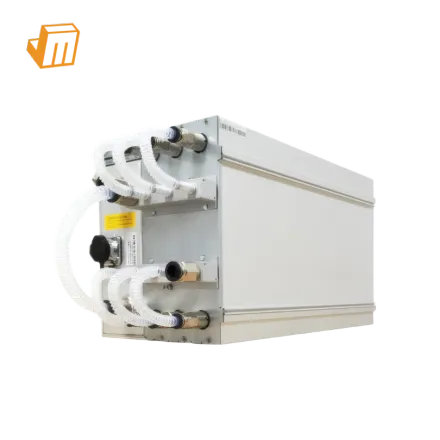
The Bitmain Antminer S21e XP Hyd emerges as a formidable contender in the SHA-256 mining arena, engineered for operators prioritizing aggressive cash flow recovery in a dynamic market. With a robust 430TH/s hashrate and an impressive 13.00 W/TH efficiency, drawing 5590 W, this liquid-cooled unit is not merely about raw power; it represents a strategic asset for those executing a rigorous mine-sell strategy. In the current volatile cryptocurrency landscape, where every block reward counts, understanding the immediate revenue generation and payback velocity of such a machine is paramount. This miner is designed for peak performance, allowing short-term operators to capture a significant share of Bitcoin block rewards daily. The 13.00 W/TH efficiency ensures that operational costs per terahash remain highly competitive, directly impacting the net daily BTC yield. For a short-term approach, maximizing the quantity of BTC mined each day and converting it swiftly into fiat is the objective, mitigating exposure to prolonged price fluctuations.
Unlocking Immediate Hashpower: The S21e XP Hyd's Edge
The 430TH/s delivered by the Bitmain Antminer S21e XP Hyd positions it at the forefront of SHA-256 mining capabilities. This immense processing power translates directly into a higher probability of solving blocks or, more commonly, a larger share of pool rewards, making it a critical tool for operators focused on daily BTC accumulation. Its high efficiency of 13.00 W/TH means that for every terahash contributed to the network, the energy expenditure is minimized, directly enhancing profitability margins in a mine-sell scenario. In a market defined by fluctuating Bitcoin prices and ever-increasing network difficulty, raw, efficient hashpower is the primary lever for revenue generation. The S21e XP Hyd is built to capitalize on this, ensuring that operators can maintain a competitive edge and extract maximum BTC from their invested capital. The speed at which this machine can mine BTC is a direct determinant of how quickly an initial investment can be recouped, making it attractive for those with an aggressive payback timeline.
Infrastructure Imperatives for Accelerated Cash Flow That Matters for Bitmain Antminer S21e XP Hyd Buyers
Deploying a high-performance, liquid-cooled miner like the Bitmain Antminer S21e XP Hyd demands a robust and precisely engineered infrastructure. The 5590 W power draw is substantial, requiring industrial-grade electrical planning to ensure stable operation and prevent costly downtime, which directly impacts daily BTC yield. Liquid cooling, while offering superior thermal management and often enabling higher performance density, introduces specific requirements for coolant circulation, heat exchange, and plumbing. Any delay or inadequacy in infrastructure directly erodes the machine's ability to generate cash flow. For a short-term operator, every hour of downtime is a missed opportunity to mine and sell BTC, pushing back the payback period. Therefore, meticulous planning for power delivery, cooling, and physical space is not just a recommendation but a strict prerequisite for maximizing the S21e XP Hyd's potential.
Key infrastructure considerations for the S21e XP Hyd include
· Power Distribution Units (PDUs): Requires high-capacity PDUs with appropriate outlets (e.g., C19) to handle 5590 W per unit, ensuring stable power delivery without overload.
· Cooling System: A dedicated liquid cooling loop, including pumps, radiators/CDUs, and distribution manifolds, capable of dissipating 5590 W of heat efficiently.
· Electrical Circuits: Heavy-duty circuits (e.g., 208V or 240V, 30A or higher per miner) to prevent tripping and ensure continuous operation.
· Rack Density: Planning for rack space that accommodates the physical dimensions of the miner and its liquid cooling connections, optimizing for density without compromising airflow or maintenance access.
· Environmental Controls: Maintaining ambient temperatures and humidity suitable for the liquid cooling system's optimal performance.
Bitmain Antminer S21e XP Hyd Payback Variables Buyers Must Verify
For the short-term operator, the Bitmain Antminer S21e XP Hyd is a tool for rapid capital conversion. The "mine-sell" strategy hinges on immediately liquidating mined BTC into fiat currency to lock in profits and recover the initial investment as quickly as possible. This approach minimizes exposure to Bitcoin's inherent price volatility, which can either accelerate or severely delay payback if assets are held. With 430TH/s, the daily BTC output is significant enough to make this strategy viable, assuming competitive electricity rates. The payback velocity is a direct function of the daily BTC revenue (hashrate, network difficulty, BTC price) minus the operational electricity cost. At 13.00 W/TH, this miner offers a strong foundation for profitability even with moderate electricity prices. However, vigilant monitoring of hashprice (daily revenue per TH/s) and network difficulty is essential. A sudden surge in difficulty or a dip in BTC price will directly extend the payback period, underscoring the need for constant vigilance and agile decision-making in a mine-sell framework.
Strategic Exit and Risk Mitigation in a Volatile Market
While the focus is on rapid payback, a prudent short-term strategy must also encompass a clear understanding of market risks and potential exit points. Bitcoin's price volatility and the unpredictable nature of network difficulty are the primary threats to an expedited return on investment. A significant downturn in BTC price or an unexpected spike in network difficulty can quickly erode daily profitability, extending the payback timeline beyond initial projections. Operators must establish clear thresholds for when to re-evaluate or even cease operations, considering the miner's residual value as a critical component of total capital recovery. The S21e XP Hyd, as a high-efficiency, advanced liquid-cooled unit, is likely to retain a stronger residual value compared to older, less efficient models. This provides a crucial buffer, allowing operators to sell the hardware if market conditions render mining unprofitable or if the initial payback period extends unacceptably. A well-defined exit strategy, whether it involves selling the miner or pivoting to a different operational model, ensures that capital is preserved and not trapped in an unprofitable venture.