
The cryptocurrency mining industry is undergoing a massive paradigm shift in thermal management. As the global Bitcoin network difficulty consistently reaches new all-time highs, the computing power required to secure block rewards has surged. This unprecedented demand for computational density has pushed traditional air-cooled systems to their absolute physical limits. To remain competitive, modern operations are increasingly adopting advanced liquid cooling technologies. At the forefront of this critical technological evolution is whatsminer hydro cooling, a sophisticated solution designed to maximize operational efficiency, increase spatial density, and drastically extend hardware longevity.
WhatsMiner Hydro Maintenance Checklist
A WhatsMiner hydro setup should be managed as a cooling system, not just a miner installation. In 2026, operators should track inlet temperature, outlet temperature, flow stability, filter condition, pump status, leak risk, and pool rejection rate together. If hashrate drops, do not change firmware first; check cooling and water-flow indicators before touching software. Keep spare hoses, clamps, filters, and a documented shutdown procedure near the rack. For hosted deployments, ask whether the provider shares temperature logs and downtime reasons, not only monthly payout totals. Add this maintenance checklist to the guide so it gives WhatsMiner users practical operating value beyond a general explanation of liquid cooling.
The Physical Limits of Traditional Air Cooling 🌪️
For years, the standard approach to cooling ASIC hardware relied heavily on high-speed, high-RPM fans. These fans forcefully push massive volumes of ambient air across internal aluminum heat sinks to dissipate the extreme heat generated by the hashing chips. While this method was highly functional for earlier generations of mining hardware, it presents severe bottlenecks for modern, ultra-dense mining farms.
Relying on ambient air means your hardware is entirely at the mercy of the local climate. During summer months or in naturally hot geographic regions, air cooling struggles to remove heat fast enough, leading to inevitable thermal throttling where the machine automatically lowers its performance to prevent catastrophic chip failure. Furthermore, drawing massive volumes of external air into the machines introduces airborne dust, pollen, and humidity directly to the sensitive hash boards. For operators looking to scale their operations efficiently, understanding these limitations is the first step toward modernization. You can explore a broader context of how these environmental factors impact overall mining strategies through this comprehensive crypto mining knowledge hub.
Core Mechanics of Whatsminer Hydro Cooling ⚙️
Liquid cooling fundamentally solves the physical bottlenecks of air cooling by utilizing a highly efficient, closed-loop liquid fluid system. Water and specialized liquid coolants have a significantly higher heat capacity and thermal conductivity than ambient air.
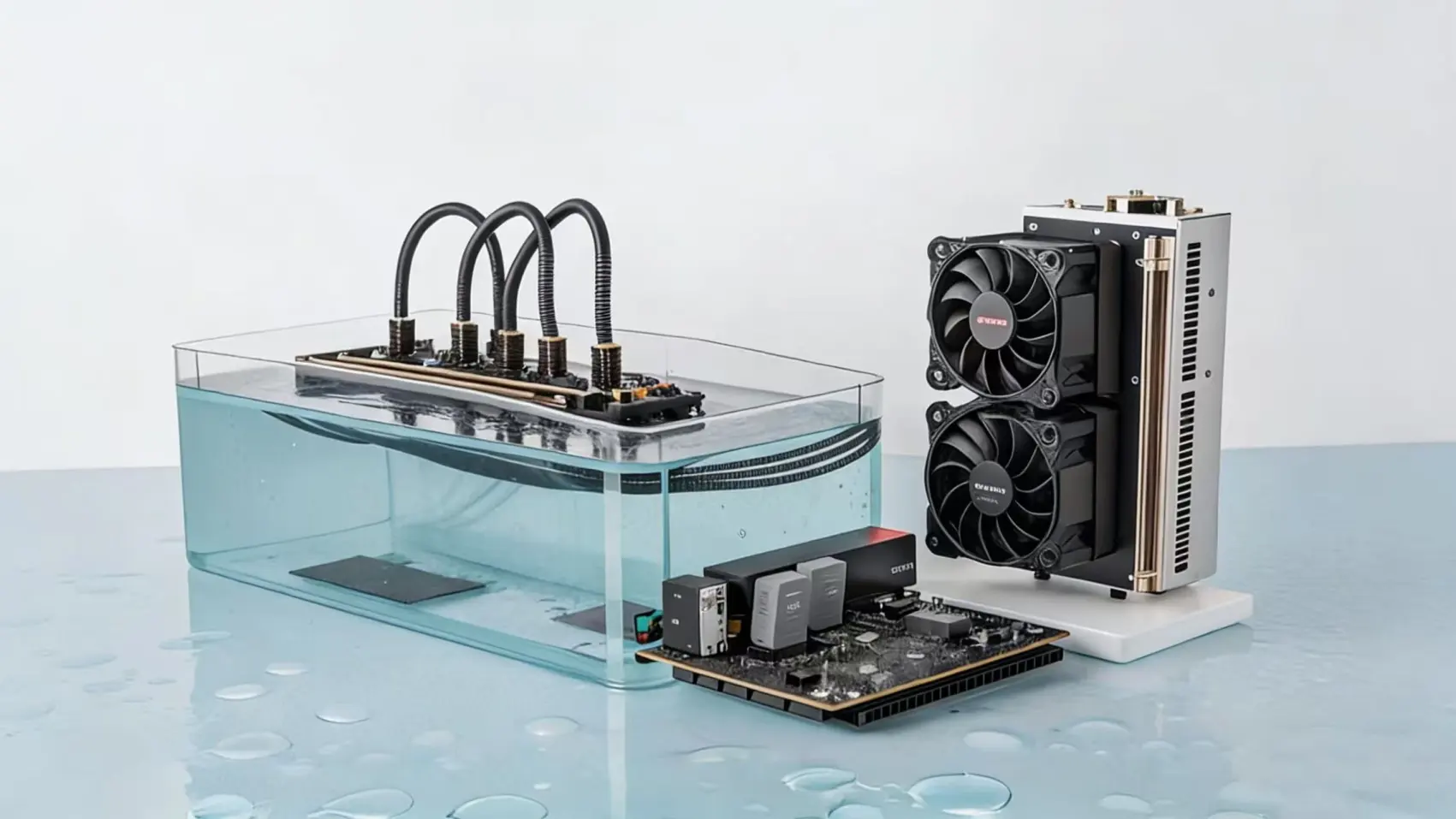
In a whatsminer hydro cooling setup, the traditional fans and bulky heat sinks are entirely completely removed. Instead, cold plates (often referred to as water blocks) are mounted directly onto the hash boards, making direct contact with the critical computing chips. A continuous flow of liquid coolant is pumped through these plates, absorbing the intense heat immediately at the source. This heated liquid is then routed out of the miner and into an external heat rejection system, such as a dry cooler or a dedicated cooling tower, where the heat is dissipated into the atmosphere before the chilled liquid is returned to the miner.
Strategic Advantages for Enterprise Facilities 🏗️
Transitioning to a liquid-cooled infrastructure provides highly tangible operational benefits that directly impact the bottom line of a mining facility.
Exceptional Thermal Stability and Consistent Hashrates
Because the liquid cooling loop operates independently of the ambient room temperature, the internal microchips remain at a strictly controlled, optimal operating state. This absolute thermal stability prevents the thermal throttling associated with air cooling. Consequently, the ASIC miners can maintain their maximum hashing output continuously, without the performance dips caused by daily temperature fluctuations. This consistency is vital for maximizing block reward potential over a long period.
Drastic Noise Reduction for Facility Management
One of the most immediate and profound changes when upgrading to liquid cooling is the acoustic environment. Traditional mining farms generate a deafening roar due to thousands of high-speed fans operating simultaneously, often requiring specialized hearing protection for technicians. By replacing these fans with silent liquid pumps, the acoustic footprint of the facility is practically eliminated. This allows operations to be situated in areas with strict commercial noise regulations and creates a significantly safer, less fatiguing working environment for maintenance staff.
Prolonged Hardware Lifespan and Zero Dust Intrusion
Electronic degradation is heavily accelerated by two factors: excessive heat and particulate buildup. Because hydro-cooled systems are completely enclosed and do not rely on pulling external air through the machine's chassis, the internal hash boards remain completely pristine. There is no dust accumulation, no debris, and no moisture intrusion from humid air. Combined with the elimination of extreme thermal expansion and contraction cycles, the physical wear and tear on the silicon chips are vastly reduced, effectively extending the lifecycle and maintaining the resale value of your hardware.
Increased Spatial Density
Traditional air-cooled facilities require massive amounts of physical space dedicated to airflow management, specifically the strict separation of hot aisles and cold aisles. Hydro cooling completely removes this spatial requirement. Because the heat is captured and piped away in liquid form, miners can be stacked much closer together in high-density server racks. This allows facility operators to vastly increase the hash rate generated per square foot of commercial real estate.
Financial Planning and Operational ROI 📊
Upgrading an entire facility to support liquid-cooled infrastructure requires a larger initial capital expenditure compared to simply plugging in air-cooled units. You must factor in the cost of water manifolds, external dry coolers, treated coolant, and specialized plumbing. However, the long-term Return on Investment (ROI) is highly compelling due to the combination of zero thermal throttling, reduced machine downtime, and extended hardware life.
To accurately forecast your operational returns and decide when to upgrade, it is crucial to monitor live market conditions and equipment efficiency. You can easily check ASIC miner profitability to analyze how modern hydro-cooled hardware performs against your specific electrical costs and the current network difficulty.
Sourcing authentic, high-quality hardware is equally critical. Building your infrastructure with professional mining equipment providers ensures you receive reliable hardware and the technical support necessary for a smooth deployment. Furthermore, keeping an eye on broader industry metrics through established blockchain data platforms like Hashrate Index or the Mempool space can help you time your facility upgrades perfectly against global mining trends.
Conclusion 🎯
The transition toward whatsminer hydro cooling is not merely a temporary trend; it represents the definitive future of enterprise-scale cryptocurrency mining. By entirely bypassing the inherent physical limitations of traditional air cooling—specifically severe noise pollution, abrasive dust accumulation, and costly thermal throttling—mining operators can achieve unprecedented levels of hashing density and operational efficiency. Investing in robust liquid cooling technology today is a strategic necessity to ensure your mining operation remains highly competitive, environmentally stable, and financially profitable in the ever-evolving crypto landscape.
Frequently Asked Questions (FAQ) ❓
Q:What are the infrastructure requirements for hydro cooling?
A:Hydro-cooled miners require highly specific facility infrastructure. You need specialized water manifolds to distribute the liquid, external dry coolers or cooling towers to reject the heat, and a precisely treated liquid coolant supply to prevent internal corrosion. These machines cannot be operated independently; they must be connected to a dedicated, constantly flowing fluid heat rejection system.
Q:Does hydro cooling consume more electricity?
A:The miner itself actually operates more efficiently because it no longer needs to draw power for internal, high-speed cooling fans. While the external infrastructure (like liquid pumps and dry coolers) will consume electricity, the overall Power Usage Effectiveness (PUE) of a well-designed hydro-cooled facility is generally superior to that of a traditional air-cooled farm relying on massive HVAC systems.
Q:Is liquid cooling safe for sensitive electronic components?
A:Yes, it is extremely safe when deployed correctly. Modern hydro systems utilize highly engineered, pressure-tested cold plates and heavy-duty industrial seals to prevent any fluid leaks. The closed-loop design ensures the operational integrity of the internal electronic components while safely transferring extreme heat away from the hash boards.
Q:Can I run a hydro-cooled miner at home?
A:While technically possible, it is highly complex and generally not recommended for casual home users. Setting up the required external liquid cooling loop, managing fluid pressures, and installing the necessary outdoor heat exchangers requires specialized plumbing and electrical knowledge that goes far beyond simply plugging a machine into a wall socket.