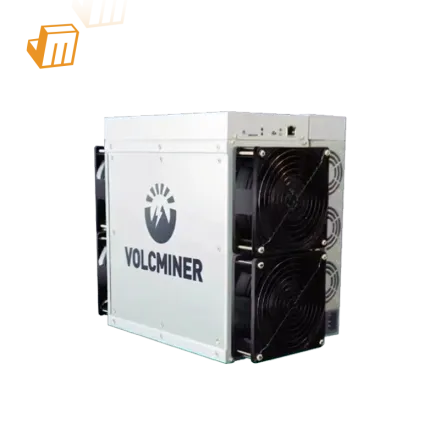

Evaluating the financial viability of cryptocurrency mining hardware requires looking beyond the initial purchase price. For prospective buyers of the VOLCMINER D1 Lite, understanding the exact balance between upfront capital and ongoing operational expenses is essential for projecting accurate returns. Because mining margins fluctuate heavily based on external conditions, a strategic approach to deployment is critical.
Electricity rates serve as the primary variable dictating the long-term profitability and payback period of the D1 Lite. Even minor shifts in power costs can significantly accelerate or delay the return on investment. This analysis explores the core factors shaping the profitability of the VOLCMINER D1 Lite, breaking down efficiency metrics, varied power assumptions, and potential operational risks to provide a clear, realistic outlook for miners at any experience level.
What Shapes VOLCMINER D1 Lite Profitability
The profitability of the VOLCMINER D1 Lite is primarily shaped by the delicate balance between its daily cryptocurrency yield and your local electricity rates. Because mining hardware generates revenue in volatile digital assets while consuming power billed in fiat currency, your operating margin depends heavily on keeping energy expenses as low as possible. For the D1 Lite, its specific hash rate dictates the gross income, but the power consumption determines whether that income translates into actual profit or an operating loss.
Calculating your payback period requires looking beyond the initial hardware purchase. Serious buyers must factor in network difficulty, changing coin prices, and the ongoing energy demands of the equipment. When electricity costs are high, daily operating expenses quickly eat into your margins, drastically extending the time it takes to break even. Conversely, securing a competitively low and stable energy rate minimizes operating risk and accelerates your return on investment, making power sourcing the single most critical driver of your long-term success.
Upfront Cost, Power Cost, and Efficiency Variables
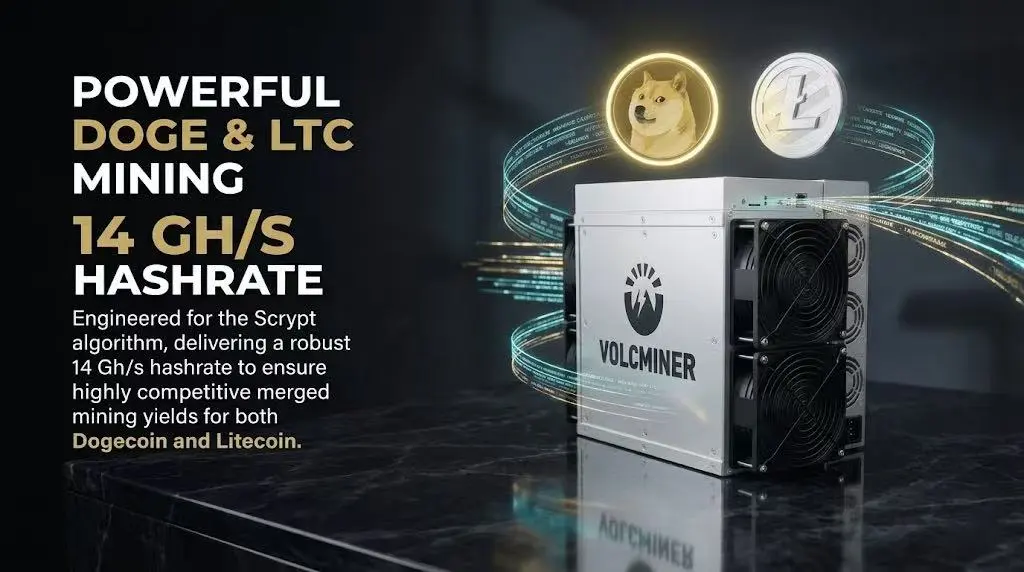
The relationship between initial capital expenditure, continuous energy demand, and hardware efficiency dictates the operating margins of any mining operation. For this hardware, the baseline investment begins with an upfront cost of approximately $2,310, securing a hash rate of 14 GH/s on the Scrypt algorithm. However, the purchase price is only the first component of a complete financial assessment. To properly evaluate the long-term viability of this equipment, prospective buyers must closely analyze the ongoing operational expenses, which are heavily influenced by the efficiency profile of the machine and the local cost of energy.
Evaluating Power Draw and Utility Rates
The VOLCMINER D1 Lite power consumption sits at a substantial 4000W, making it a high-capacity machine that requires a robust electrical infrastructure. Because of this continuous energy requirement, your specific VOLCMINER D1 Lite electricity rate will serve as the primary constraint on your operational success. A high power draw means that the daily utility bill will accumulate quickly, requiring a highly competitive commercial or industrial energy rate to maintain healthy margins. Facilities with access to inexpensive, renewable, or subsidized power are naturally better positioned to absorb the D1 Lite power consumption without severely compromising their net returns.
Calculating Margins and Daily Returns
Understanding how energy expenses erode gross revenue is the core of any reliable VOLCMINER D1 Lite electricity cost analysis. When the hardware mines Litecoin, Dogecoin, and Beldex, the gross revenue it generates must always outpace the utility bill. By subtracting the daily energy expenditure from the total mined value, operators can determine their true VOLCMINER D1 Lite daily profit. This net figure is dynamic, fluctuating alongside network difficulty and broader cryptocurrency market valuations. Therefore, a comprehensive D1 Lite electricity cost analysis must account for both current market conditions and potential future downturns where tighter margins could threaten sustained profitability.
Before committing to a purchase, serious operators should input their local utility rates into a VOLCMINER D1 Lite power cost calculator to map out multiple financial scenarios. By testing different coin price assumptions against their exact commercial electricity costs, buyers can build a realistic picture of their operating risk. This rigorous approach prevents overestimating returns and ensures that the deployment environment is genuinely suited to support a 4000W continuous load over the intended lifespan of the equipment.
How Payback Changes Under Different Assumptions
The time required to recover the initial $2310 hardware investment shifts constantly based on three moving targets: daily mining revenue, ongoing electricity expenses, and the combined network difficulty of the coins being mined. Because the VOLCMINER D1 Lite draws a substantial 4000W of power, the daily operating expense acts as a hard floor that must be cleared before any true profit is generated. If a buyer operates at a high electricity rate, a massive portion of their daily yield is immediately consumed by utility bills, stretching the payback period significantly. Conversely, operators with access to inexpensive industrial power will see a much larger percentage of their daily gross revenue convert into net profit, shortening the time until the machine is fully paid off.
The Impact of Network Difficulty
Beyond static utility costs, buyers must also account for the ever-changing nature of blockchain networks. The Scrypt algorithm, primarily used for Litecoin and Dogecoin, regularly adjusts its mining difficulty based on how much total computing power is active globally. As new machines come online, the total network hashrate rises, which in turn reduces the slice of daily rewards allocated to the 14 GH/s output of the D1 Lite. Serious buyers understand that static calculators often fail to account for this gradual increase in difficulty. Projecting a realistic payback timeline requires assuming that the daily yield of coins will slowly decrease over the lifespan of the hardware.
Market Volatility and Coin Valuation
Finally, the real-world value of the mined assets introduces the most unpredictable variable into any payback equation. Because mining rewards are paid in cryptocurrency rather than fiat currency, the daily profit calculation fluctuates exactly with the market prices of Litecoin, Dogecoin, or Beldex. If the market experiences a sudden downturn, the fiat value of the daily yield drops, even if the machine continues to mine the exact same number of coins. During these periods, operators with high power costs might even find their machines running at a temporary loss. Conversely, a sharp increase in asset prices can rapidly accelerate the payback schedule, underscoring why risk tolerance and market assumptions are just as critical as the hardware specifications themselves.
Operational Risks That Affect Real ROI
Real return on investment is rarely a static calculation, as hardware uptime, network difficulty, and market volatility constantly disrupt projected returns. For a high-capacity machine like the VOLCMINER D1 Lite, the intense 4000W power draw means these operational variables can quickly erode profit margins. Network difficulty is one of the most critical external factors to monitor. As more operators deploy new Scrypt mining equipment on the network, the total computing competition rises. This causes the daily reward payout for each individual miner to decrease over time. Beginners must understand that a highly profitable snapshot today will naturally degrade as network difficulty scales upward, pushing the break-even horizon further into the future.
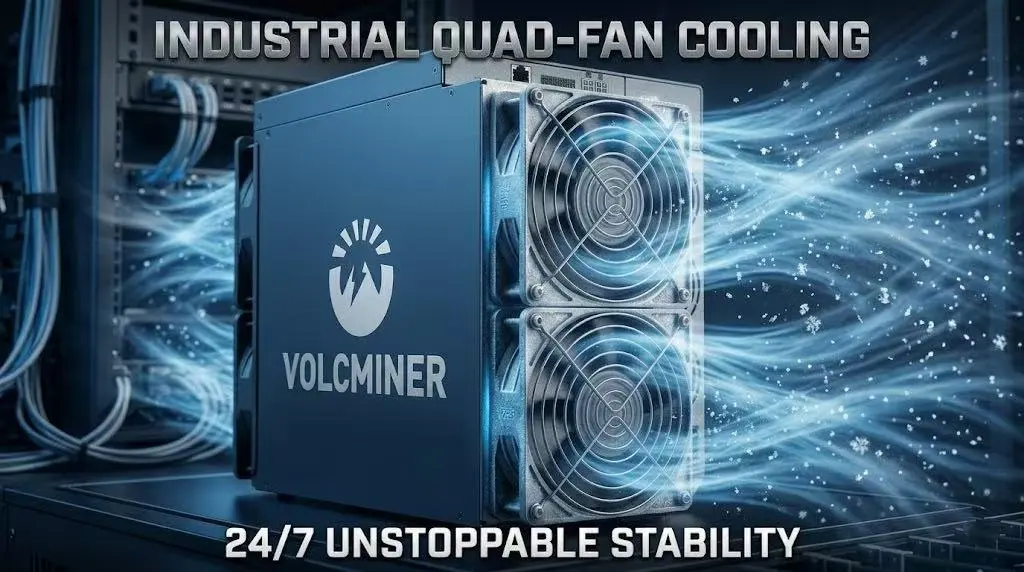
Beyond network math, physical operating conditions heavily influence actual payback timing. Managing a constant 4000W load requires robust electrical infrastructure and aggressive thermal management. If a mining environment lacks adequate airflow or cooling, the hardware will suffer from thermal throttling or component failure. Every hour of downtime caused by overheating or electrical trips actively damages your daily profit average. While the electricity rate meter stops spinning when a machine is offline, the broader market does not wait. Prolonged maintenance windows mean missing out on optimal payout periods, directly extending the time it takes to recover the initial $2310 hardware investment.
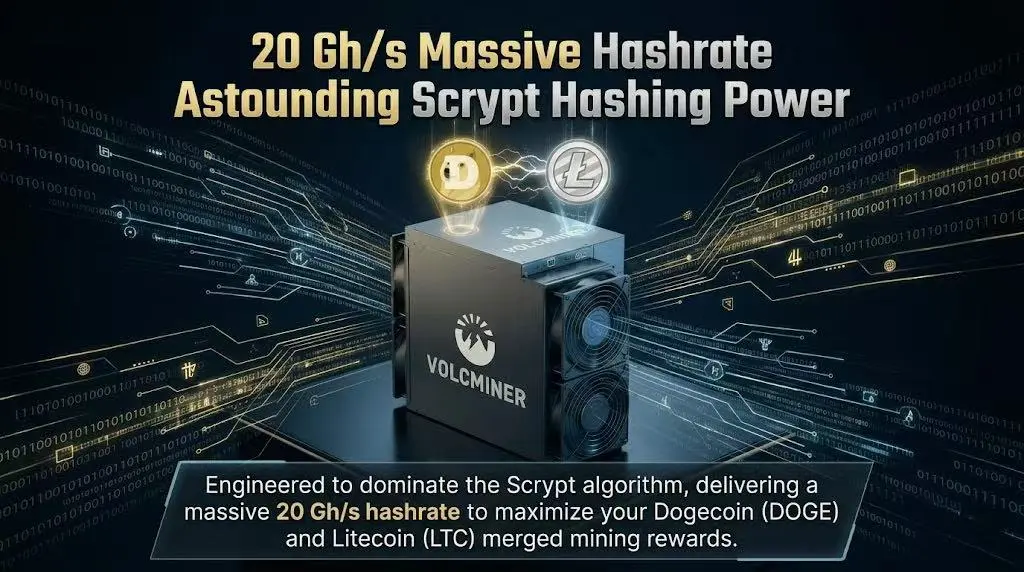
Market volatility introduces the final layer of operational risk. Because the VOLCMINER D1 Lite mines assets like Litecoin, Dogecoin, and Beldex, its daily fiat revenue is entirely dependent on real-time market prices. When token values drop significantly, the fixed power consumption remains unchanged. Operators paying average residential rates may quickly find themselves operating at a daily loss during market downturns, forcing difficult decisions about whether to power off or mine at a loss to accumulate assets.
Ultimately, this hardware is built for serious operators who can actively control their overhead. Running an accurate power cost calculator using worst-case difficulty and price scenarios is the best way to prepare for deployment. For buyers with commercial-grade cooling and access to low-cost energy, the VOLCMINER D1 Lite offers tremendous hashing output. However, achieving true profitability requires treating the deployment as a strict industrial operation rather than a passive income experiment.