
Operating Economics
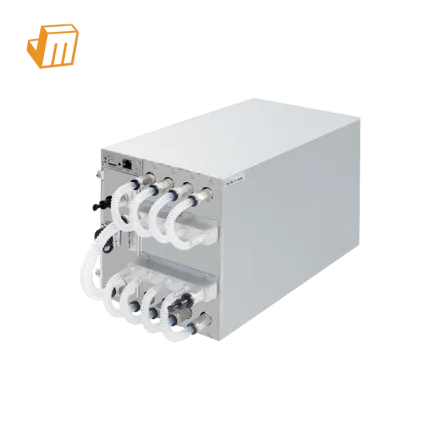
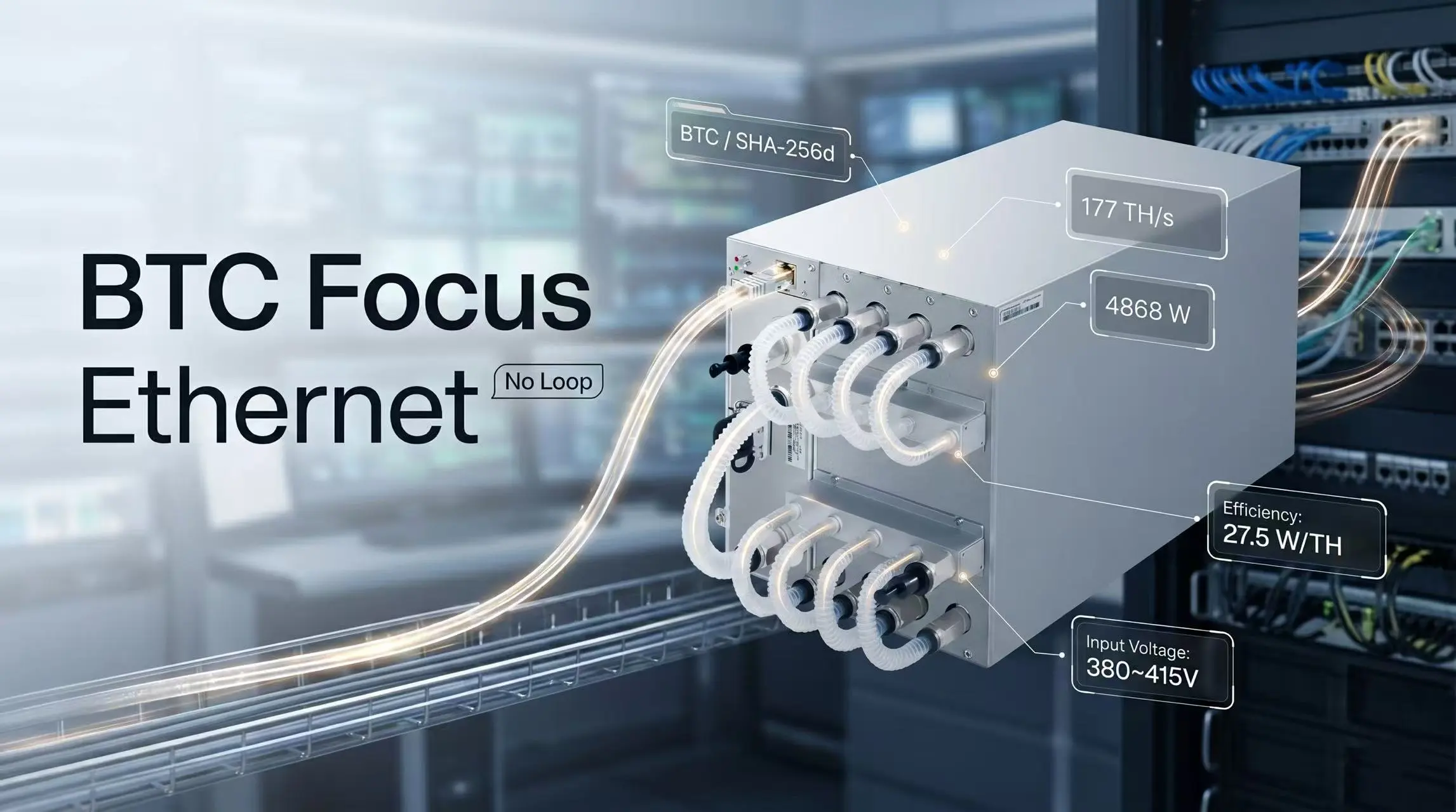
The Bitmain Antminer S19 Pro+ Hyd represents a significant asset for SHA-256 cryptocurrency mining operations, specifically targeting Bitcoin (BTC). With a formidable hashrate of 177 terahashes per second (TH/s), this unit is engineered for competitive performance within an increasingly complex network difficulty environment. Its operational efficiency, measured at 27.50 Watts per terahash (W/TH), places it among the top-tier solutions for energy-conscious deployments, directly influencing long-term profitability by minimizing power consumption relative to computational output.
Analyzing the operating expenditure (OPEX) for the Antminer S19 Pro+ Hyd necessitates a thorough understanding of its 4868 W power draw. This substantial electrical load, while efficient per TH, translates to considerable ongoing costs that must be factored into any return on investment (ROI) projection. Actuarial assessments must integrate prevailing electricity rates, expected network difficulty adjustments, and Bitcoin price volatility to forecast profitability accurately. The high hashrate mitigates some of the risk associated with rising difficulty, offering a sustained capacity to earn block rewards and transaction fees, but optimal site selection with low energy costs remains paramount.
Thermal & Site Integration
The "Hyd" designation in the Bitmain Antminer S19 Pro+ Hyd signifies its advanced hydro-cooling system, a critical factor for maintaining peak operational performance and extending equipment lifespan. Unlike traditional air-cooled ASICs, this unit requires a dedicated liquid cooling infrastructure, including external heat exchangers, pumps, and a closed-loop coolant distribution system. Proper integration demands meticulous planning for plumbing, fluid management, and environmental controls to dissipate the 4868 W of thermal energy efficiently from the mining facility.
Effective thermal management is not merely about preventing overheating; it's about optimizing the ambient conditions to ensure the ASIC operates within its designed temperature parameters, thereby maximizing uptime and computational stability. Facilities deploying the Bitmain Antminer S19 Pro+ Hyd must be equipped to handle the logistical complexities of liquid cooling, including space allocation for cooling towers or chillers, ensuring adequate water supply (if applicable for external cooling), and implementing robust leak detection systems.
> Pro Tip: Regular monitoring and maintenance of coolant quality, including pH levels and conductivity, are crucial to prevent corrosion and mineral buildup within the hydro-cooling system, ensuring consistent heat transfer efficiency and longevity of the Bitmain Antminer S19 Pro+ Hyd.
Deployment Readiness
Successful deployment of the Bitmain Antminer S19 Pro+ Hyd requires robust electrical and network infrastructure to support its high-performance demands. The 4868 W power consumption mandates industrial-grade power distribution units (PDUs) and circuits capable of delivering consistent and stable voltage. Overlooking these foundational electrical requirements can lead to operational inefficiencies, equipment damage, and significant downtime. Furthermore, reliable, low-latency network connectivity is essential for the miner to communicate effectively with mining pools, ensuring prompt submission of valid shares and maximizing earning potential.
Planning for the physical installation also involves considerations beyond power and cooling. Secure racking solutions, proper ventilation for the cooling infrastructure, and access for maintenance are all critical. The density of these units within a facility must be carefully calculated to avoid creating localized hotspots or exceeding the structural capacity of the building.
· Electrical Infrastructure: Verify that the existing or planned electrical grid can safely and consistently supply the collective 4868 W power draw per Bitmain Antminer S19 Pro+ Hyd unit, factoring in appropriate redundancy and circuit protection.
· Network Stability: Ensure a dedicated, high-bandwidth internet connection with minimal latency and maximum uptime to facilitate seamless communication between the miner and its assigned SHA-256 mining pool.
· Cooling Integration: Confirm that the site is fully prepared for a liquid cooling setup, including the necessary plumbing, heat exchange equipment, and environmental controls to manage the significant thermal output of the hydro-cooled units.
Conclusion & Next Steps
The Bitmain Antminer S19 Pro+ Hyd, with its 177Th/s hashrate and 27.50W/TH efficiency, stands as a formidable contender for any serious SHA-256 Bitcoin mining operation. Its advanced hydro-cooling system, while demanding specific infrastructure, offers significant advantages in terms of performance stability and longevity. Actuarial analysis confirms its potential for strong ROI, provided that deployment is meticulously planned, with particular attention to power costs, thermal management, and robust site readiness. For expert guidance on integrating this powerful ASIC into your mining portfolio, and to receive a tailored consultation on its potential economic impact for your specific operational context, we encourage you to contact JingleMining today.
Frequently Asked Questions (FAQ)
Q: What is the primary use of this equipment?
A: The Bitmain Antminer S19 Pro+ Hyd is primarily used for mining cryptocurrencies that employ the SHA-256 algorithm, most notably Bitcoin (BTC). Its high hashrate and efficiency are designed for competitive participation in the global Bitcoin mining network.
Q: How does electricity cost impact ROI?
A: Electricity cost is the single largest operational expenditure for ASIC miners like the Antminer S19 Pro+ Hyd. Lower electricity rates directly translate to higher profit margins and a faster return on investment, making site selection with competitive power pricing a critical factor in profitability.
Q: What should buyers verify before deployment?
A: Buyers must verify their electrical infrastructure can support the 4868 W power draw, ensure they have a robust liquid cooling system in place, and confirm stable, low-latency internet connectivity. Proper physical space and environmental controls for the hydro-cooling setup are also essential.