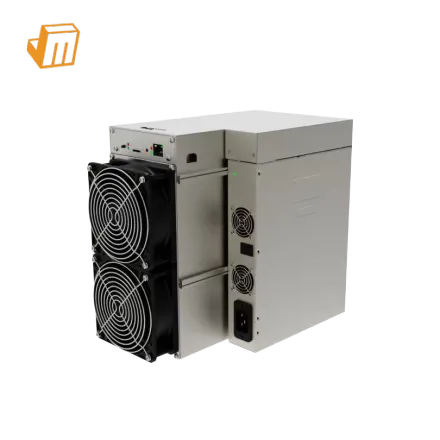

IceRiver ALEO AE3 should be considered only when the buyer can support 3400 W continuously and has a clear zkSNARK / ALEO strategy. The biggest risk is not the headline output; it is whether power, airflow, hosting cost, and seller verification still make sense after the spec sheet is translated into a real site plan.
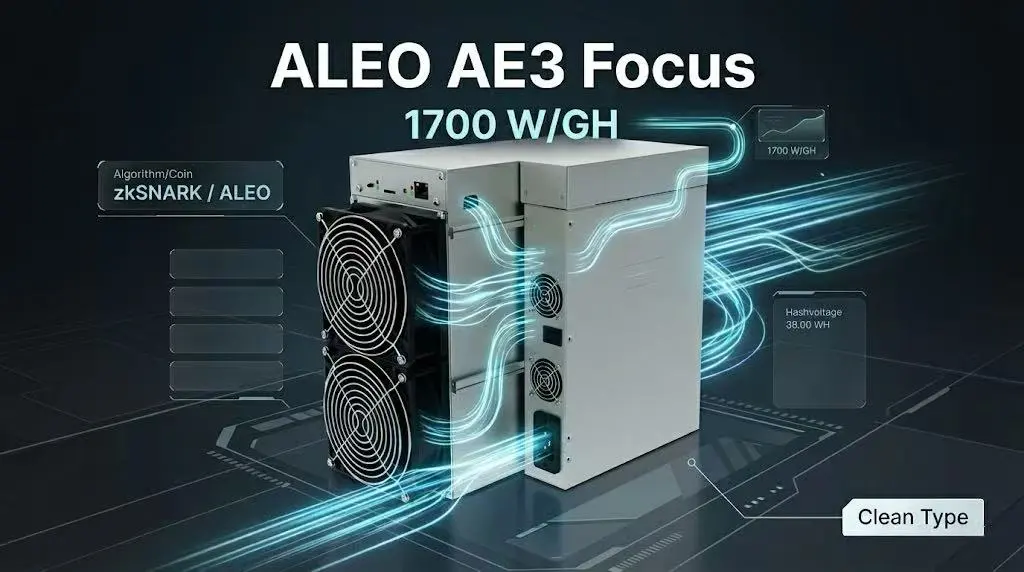
This review treats 2Gh/s, 3400 W, and 1700.00 W/GH as decision inputs, not marketing decoration. The article below focuses on electrical capacity, heat removal, pool strategy, ROI pressure, and purchase verification so the reader gets an answer instead of a list of unanswered questions.
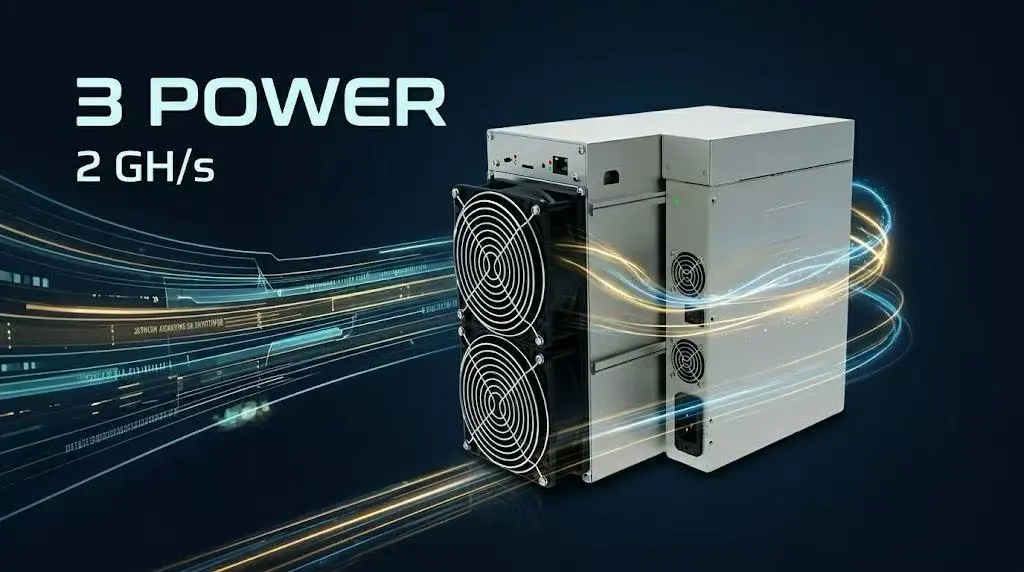
IceRiver ALEO AE3 Deep Review: 2Gh/s, 3400 W, and Real Deployment Fit
The short verdict: IceRiver ALEO AE3 is worth evaluating when the buyer specifically needs zkSNARK / ALEO exposure and has infrastructure ready for 3400 W continuous load. It is not a plug-and-hope purchase; the buying case depends on whether 2Gh/s, 1700.00 W/GH, cooling, and hosting cost line up in the same deployment plan. Keep the lens technical and parameter-first: hardware output, energy pressure, and deployment limits. A proper review should not repeat the spec sheet. It should explain what the spec sheet means once the miner is connected to power, airflow, pool software, and an electricity bill.
IceRiver ALEO AE3 Spec Translation: What 2Gh/s and 3400 W Mean on Site
2Gh/s defines the machine's output lane, but 3400 W defines the site burden. Running that load continuously means roughly 81.6 kWh/day before cooling overhead, before fans, ventilation, hosting markup, or room-level cooling are included. That changes the buyer conversation from simple performance praise to infrastructure discipline. The machine is a stronger fit for operators who already know their circuit capacity, airflow design, and pool plan.
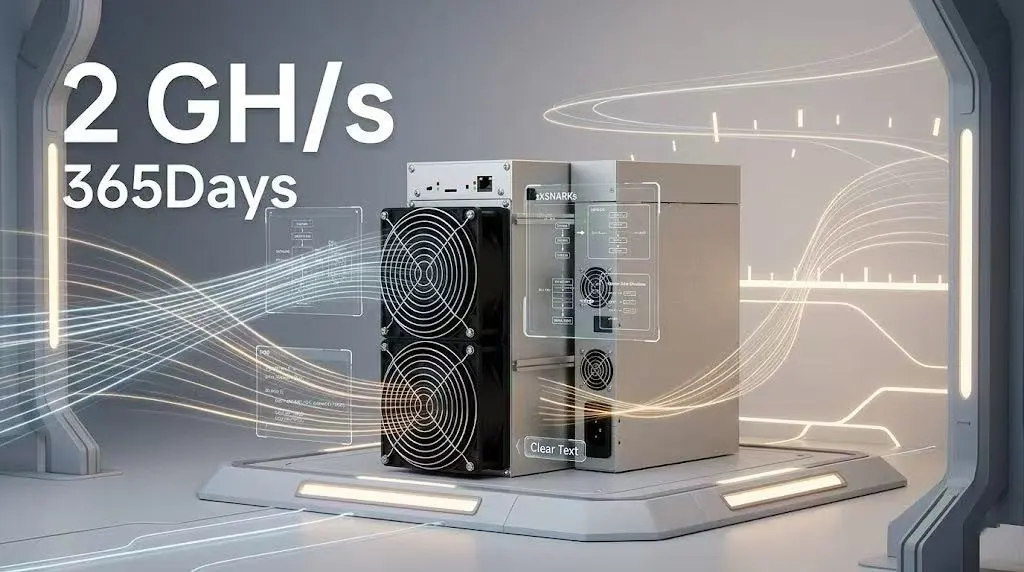
IceRiver ALEO AE3 Efficiency and Cost Pressure: Reading 1700.00 W/GH Correctly
1700.00 W/GH should be read as a cost-pressure signal, not as a standalone badge. If electricity is expensive or the site runs hot, efficiency can decide whether the machine remains useful across a full ROI cycle. The practical buyer answer is simple: compare revenue assumptions against power cost, cooling overhead, uptime risk, and shutdown coin price. If the margin disappears after those checks, the model should stay on the watchlist instead of moving to purchase.
IceRiver ALEO AE3 Deployment Fit: Who Should Shortlist It and Who Should Pause
Shortlist IceRiver ALEO AE3 if the buyer already has stable power, enough airflow, a clear zkSNARK / ALEO strategy, and a seller listing that can be verified. Pause if power capacity, warranty, voltage, shipping condition, or hosting cost is still uncertain. For real operators, a miner is not only a machine; it is a heat source, a network endpoint, a maintenance item, and a cash-flow asset. A good purchase decision respects all four roles.
IceRiver ALEO AE3 Purchase Verification Checklist
Before paying, confirm:
①exact model/version and condition for IceRiver ALEO AE3;
②3400 W power requirement, voltage range, plug/PSU assumptions, and site compatibility;
③warranty window, return terms, shipping risk, and included accessories;
④pool compatibility and current calculator assumptions for ALEO;
⑤whether the hosting agreement covers heat, downtime, repair handling, and remote monitoring.
Final Review Verdict for IceRiver ALEO AE3
IceRiver ALEO AE3 is strongest when the buyer can turn the listed 2Gh/s, 3400 W, 1700.00 W/GH, and zkSNARK fit into a controlled operating plan. It is weakest when the buyer is still guessing at electricity cost, airflow, or seller reliability. Use the official IceRiver ALEO AE3 listing as your fact base, then verify the live listing condition and operating assumptions before committing capital.