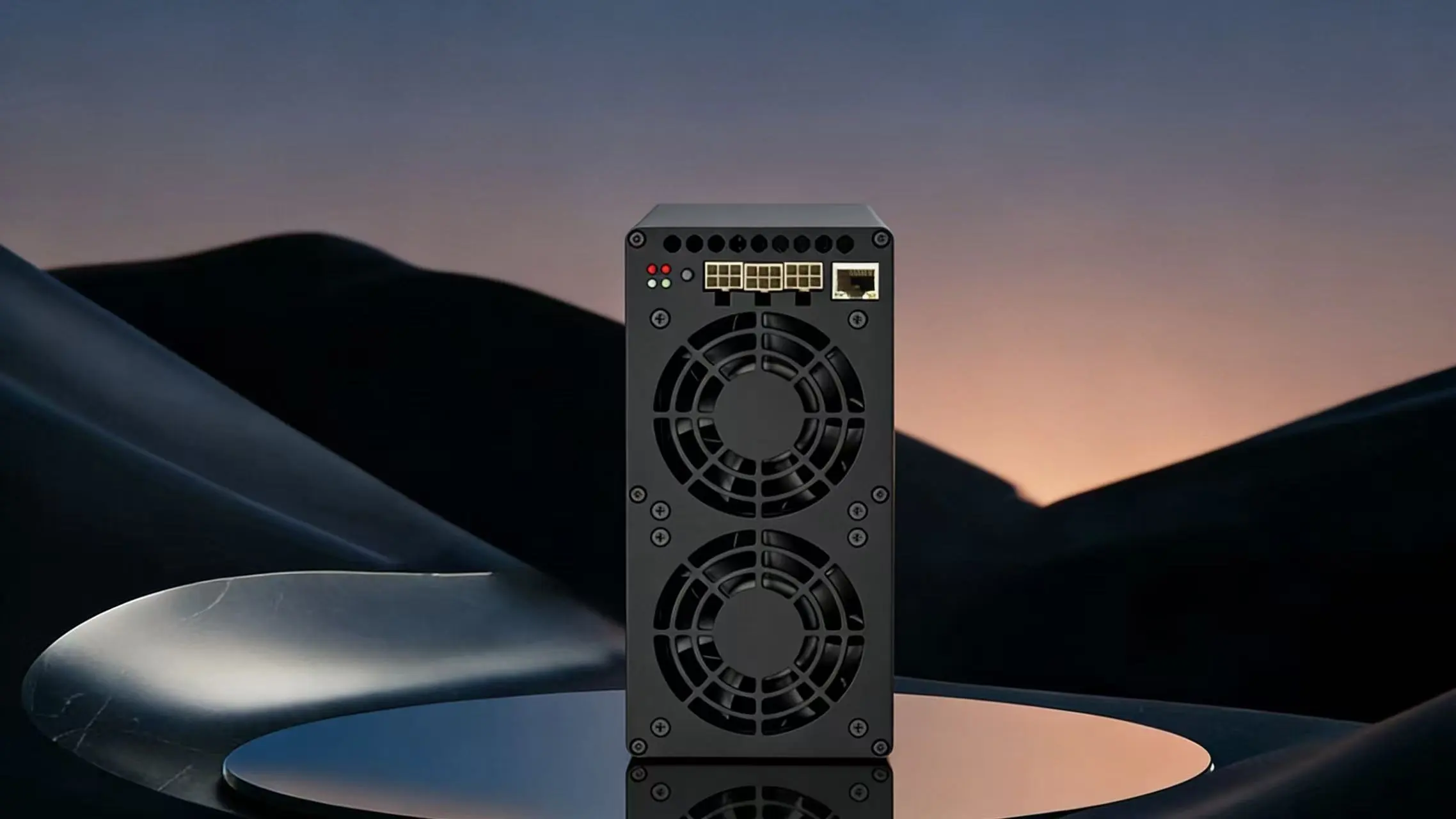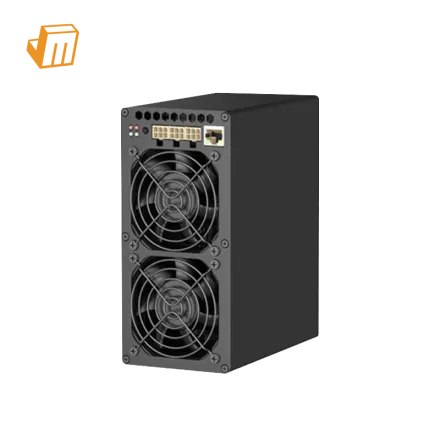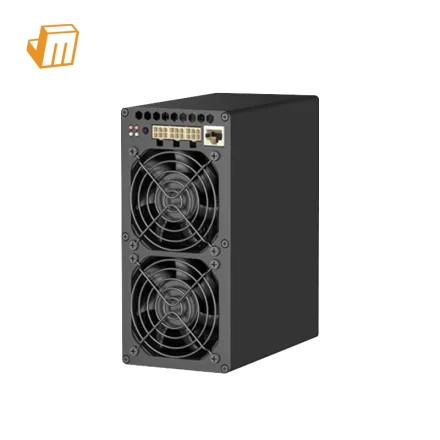
The digital asset hardware sector is experiencing a monumental transition. For years, residential operators focused entirely on traditional proof-of-work algorithms that relied on absolute public transparency. However, the emergence of privacy-centric blockchain networks has created an entirely new operational category for home users. As zero-knowledge cryptography moves rapidly from academic theory into global application, the hardware required to compute these complex mathematical proofs has fundamentally evolved. This comprehensive analysis evaluates a highly specialized application-specific integrated circuit engineered specifically for domestic environments. We will bypass generic overviews to strictly analyze its silicon efficiency, setup parameters, thermal dynamics, and overall viability for home-based network participation.

The Shift Towards Aleo and Privacy-Centric Networks 🌐
To accurately assess the engineering value of this hardware, operators must first understand the specific cryptographic demands of its native ecosystem. The Aleo network fundamentally changes how decentralized ledgers operate by implementing zero-knowledge succinct non-interactive arguments of knowledge, widely known as zk-SNARKs. Unlike traditional public blockchains where transaction data, wallet addresses, and balances are globally visible, this advanced network allows users and decentralized applications to verify the absolute validity of a transaction without exposing any underlying private data.
Generating these zero-knowledge proofs requires immense computational power and a vastly different silicon architecture than traditional algorithmic hashing. Initially, early network participants utilized consumer-grade graphics processing units to interact with the blockchain. However, as the network matured, gained global adoption, and the mathematical difficulty scaled exponentially, standard graphics cards became hopelessly inefficient. The transition to purpose-built hardware became mandatory for anyone serious about securing the network. The hardware evaluated today represents the absolute pinnacle of this transition, offering a highly streamlined, localized gateway into the rapidly expanding privacy-focused digital economy.
Evaluating the Goldshell AE Box II (54MH/s) Realtime Profit, Specs & Cost 📊
The core viability of any decentralized hardware deployment hinges entirely on its processing capability relative to its physical footprint and electrical draw. This specific unit is highly regarded among residential operators because it delivers an unwavering 54 megahashes per second while maintaining an incredibly discreet, desktop-friendly chassis. Compressing this volume of specialized zero-knowledge computational power into a compact aluminum shell is a significant achievement in modern silicon engineering.
When operators thoroughly evaluate the comprehensive Goldshell AE Box II (54MH/s) Realtime Profit, Specs & Cost, the most significant strategic advantage discovered is its residential adaptability. Traditional industrial machines designed for similar computational outputs often require massive infrastructure upgrades, including 220-volt wiring, dedicated commercial breaker panels, and robust ventilation systems. This unit is intentionally built to integrate flawlessly into a standard residential electrical grid. By operating safely on standard 110-volt to 240-volt household outlets, operators can completely bypass expensive electrical renovation costs, drastically lowering the initial barrier to entry and accelerating their return on investment.
A Closer Look: Goldshell ae box ii energy efficiency review 🔋
In the realm of digital asset verification, high computational power is entirely useless if daily electrical costs consume all of the generated revenue. Energy efficiency is the absolute foundation of a resilient, long-term operational strategy. This dedicated Aleo miner stands out precisely because its internal hashboards are strictly calibrated for zk-SNARK generation, resulting in a remarkably low energy draw per megahash.
A thorough Goldshell ae box ii energy efficiency review reveals that the device acts as a robust hedge against network difficulty spikes. During macroeconomic downturns or periods of intense global hashrate competition on the Aleo network, hardware with poor efficiency ratios is quickly forced offline as operational costs exceed digital asset generation. Because this compact unit demands such minimal electrical overhead, it allows the operator to keep the machine hashing continuously through highly volatile market cycles. By systematically minimizing daily utility expenditures, operators ensure that a vastly higher percentage of their digital asset yield is retained as actual net value.
Home Deployment: How to Setup Goldshell AE Box II? 🛠️
Deploying cryptographic hardware at home can appear daunting to newcomers, but modern engineering has completely streamlined the initialization phase. If you are researching How to Setup Goldshell AE Box II?, you will be pleased to discover that the manufacturer has prioritized an intuitive, frictionless user experience. You do not require a background in advanced network administration or coding to transition this device from the shipping box to active network verification.
The physical deployment begins by placing the chassis in a well-ventilated location free from immediate obstructions. Connect the external power supply unit to a standard wall socket and route a high-quality Ethernet cable directly from the machine's rear interface port to your local internet router or unmanaged switch. Once the unit is powered up, the digital configuration takes over seamlessly. By using a standard local network scanning utility, operators can easily locate the specific IP address dynamically assigned to their hardware. Typing this IP address into a standard web browser loads the built-in control dashboard. From this streamlined interface, you simply navigate to the miner settings, input your chosen pool stratum address, and enter your private wallet details. With those parameters saved, the hardware autonomously synchronizes with the blockchain.
Acoustic Engineering and Advanced Thermal Management ❄️
The defining characteristic of commercial data center mining equipment is its extreme acoustic footprint. Industrial application-specific integrated circuits rely on high-velocity cooling fans that generate noise levels entirely incompatible with a residential living environment, often requiring dedicated soundproofing infrastructure or remote hosting facilities. Conversely, the crowning achievement of this compact unit is its sophisticated acoustic dampening and thermal management architecture.
This device is intentionally designed to inhabit quiet spaces without causing any auditory disruption. It utilizes a highly efficient, low-decibel cooling mechanism that maintains optimal operational temperatures while blending seamlessly into the ambient background noise of a home office, living room, or bedroom. The internal airflow channels are precisely engineered to passively draw cool ambient air across the dense silicon hash boards and aggressively expel the displaced heat from the rear exhaust ports. Maintaining optimal internal temperatures is critical not only for sustaining a stable hashrate but also for ensuring the physical longevity of the silicon chips. Operating at roughly 35 decibels, this hardware ensures your domestic tranquility remains completely undisturbed.
Hardware Comparison: Goldshell AE Box II vs Goldshell KA Box Pro ⚖️
A critical phase of hardware acquisition is comparing alternative architectures to ensure your purchase aligns perfectly with your strategic goals and localized power rates. A frequent scenario involves operators weighing the Goldshell AE Box II against other premium residential units. While both devices share the same manufacturer design philosophy—offering whisper-quiet operation and extreme energy efficiency—they serve entirely different cryptographic ecosystems.
The AE Box II is a highly specialized computational engine for zero-knowledge proofs, delivering 54MH/s exclusively for the Aleo network. Conversely, the Goldshell KA Box Pro is explicitly designed for the Kaspa network, utilizing the kHeavyHash algorithm to push a massive terahash output. If your operational thesis is built around the future of privacy-centric applications and decentralized data protection, the AE Box II is your definitive choice. If you are prioritizing high-speed BlockDAG participation, the KA Box Pro is the optimal route. To conduct a highly granular analysis of these specific power draws and network targets side-by-side, placing both units into a comprehensive miner comparator utility will clarify which device best suits your local electrical infrastructure.
Analyzing the Goldshell ae box ii aleo miner price and ROI 💰
Making an informed capital allocation requires looking beyond the initial purchase receipt and evaluating the total cost of ownership over the hardware's operational lifecycle. When analyzing the Goldshell ae box ii aleo miner price, it is essential to view the figure as a strategic entry point into a specialized, highly sought-after network. Building a multi-GPU server capable of generating a sustained 54MH/s on Aleo would cost significantly more in upfront hardware, consume vastly more electricity, and require massive spatial accommodations.
The pricing of this dedicated ASIC represents a highly aggressive value proposition. It offers concentrated processing power without the heavy infrastructure tax typically associated with high-performance cryptographic equipment. Furthermore, securing authentic hardware through established, verified channels ensures you receive factory-direct quality assurance and reliable firmware support. This operational peace of mind is a critical component of the overall hardware valuation, protecting your deployment from the severe risks of secondary-market defects and unauthorized firmware modifications.
Pool Integration and Navigating the Broader Ecosystem 🌍
Securing the physical hardware is only the first step; connecting that hardware efficiently to the global blockchain is what actualizes your returns. Attempting to mine the Aleo network independently is highly discouraged for residential operators due to the immense mathematical variance involved in independently generating a valid cryptographic proof. To ensure a predictable, steady stream of digital assets, integrating your hardware into a reputable mining pool is an absolute necessity.
A mining pool aggregates your 54MH/s computational output with the hash power of thousands of other globally distributed machines. This collective entity solves network proofs consistently and distributes the resulting rewards proportionally based on your precise mathematical contribution. During your dashboard configuration, we strongly advise directing your hashing power toward highly established, high-liquidity platforms such as f2pool. Premium pools offer geographically optimized stratum servers for low latency, transparent fee structures, and automated daily payouts. For operators eager to deepen their understanding of how pools, nodes, and wallets interact seamlessly, exploring a detailed ecosystem framework is a highly recommended educational step.
Essential Maintenance for Sustained Goldshell AE BOX II profitability 🛡️
Protecting your capital investment and ensuring the hardware operates at peak efficiency requires a strict, uncompromising maintenance routine. While solid-state electronic components do not experience mechanical friction, environmental contaminants are the primary vector for premature hardware failure in residential deployments. Constant, uninterrupted uptime is the true driver of long-term Goldshell AE BOX II profitability.
The most critical maintenance factor is airborne dust mitigation. As the intake fan continuously circulates room air through the chassis, microscopic dust particles inevitably adhere to the internal aluminum heatsinks. Over several months, this dust forms a dense insulating layer, trapping thermal energy against the sensitive silicon chips and forcing the fans to work harder. Operators must implement a rigorous protocol: power down the unit completely every sixty to ninety days and utilize moisture-free compressed air to thoroughly clear the front intake grill, the internal heatsink fins, and the rear exhaust port. To accurately track how this sustained uptime impacts your financial projections based on live market data, regularly utilizing a dynamic asic miner profitability interface is crucial.
Aleo Miner Frequently Asked Questions (FAQ) ❓
Q: Does mining on the Aleo network require a high-speed fiber internet connection?
A: No, the bandwidth requirements for cryptographic hashing are incredibly low. The machine is transmitting tiny packets of mathematical proofs, not downloading massive files. A standard residential broadband connection is more than sufficient. However, network stability and low latency are vastly more important than total bandwidth speed to ensure your computed shares are accepted quickly.
Q: Why must I use an Ethernet cable instead of a wireless Wi-Fi connection?
A: To guarantee maximum operational efficiency and eliminate the risk of rejected cryptographic shares, this device relies strictly on a hardwired Ethernet connection. Wireless connections are highly susceptible to localized interference, signal drops, and latency spikes. In the validation process, a delayed network packet means your machine submits a stale share, resulting in uncompensated computational work.
Q: What happens to my hashrate if the ambient room temperature gets too hot?
A: If the room exceeds the recommended operating temperature of thirty-five degrees Celsius, the internal fans will scale to their maximum rotational speed to attempt to cool the silicon. If the chips continue to overheat, the control board will initiate thermal throttling, intentionally lowering your 54MH/s output to prevent the silicon from sustaining permanent physical damage. Maintaining a climate-controlled environment is mandatory for sustained performance.
Q: Is it safe to use third-party power supplies with this hardware?
A: The hardware utilizes a specifically calibrated external power supply unit designed to deliver highly stable direct current voltage to the control and hash boards. Using an unverified, third-party power brick with incorrect amperage or voltage ripple characteristics can cause immediate, catastrophic damage to the sensitive internal components. We strictly advise using only factory-certified replacement power units.
Q: How do I accurately track my daily revenue and total coin accumulation?
A: While the machine's local dashboard shows your real-time hashing speed, your actual revenue tracking happens entirely on your chosen mining pool's interface. By logging into your pool account or pasting your public wallet address into their tracking page, you can view highly detailed graphs showing your daily average hashrate, the number of valid shares submitted, and your pending payouts.
Establishing Your Privacy Mining Operations 💎
Stepping into the realm of zero-knowledge cryptography represents a forward-thinking approach to decentralized finance. The engineering encapsulated within this specific hardware provides an incredibly robust, localized solution for operators looking to support privacy-centric blockchains without overhauling their residential infrastructure. By deeply understanding the thermal dynamics, pool integration strategies, and exact power metrics of your equipment, you establish a resilient foundation for long-term asset accumulation. For operators ready to deploy premium, authenticated hardware and access sophisticated analytical tools, exploring the premier catalog at Jingle Mining provides the foundational support necessary for operational success. The future of digital validation is private, and having the right equipment ensures you are perfectly positioned to participate.