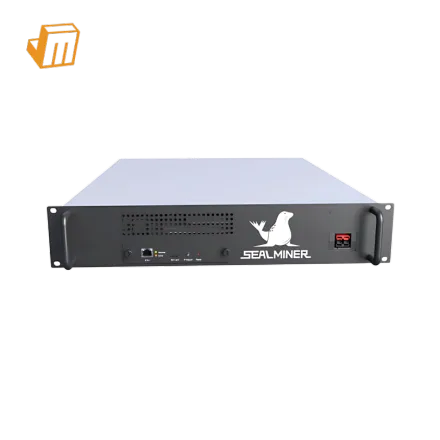

When sourcing hardware for a commercial mining facility, the decision ultimately comes down to a few strict variables: raw computational output, electrical efficiency, physical reliability, and the timeline for capital recovery. The mining industry has scaled past the point where operators can afford to throw cheap, inefficient hardware onto a rack and hope for the best. To survive scheduled block reward halvings and relentless difficulty spikes, hardware must perform flawlessly under continuous load. The Bitdeer SealMiner A2 Pro Hyd 500Th/s is engineered to address these exact commercial requirements. This comprehensive review strips away the marketing jargon to focus entirely on the practical realities of owning and operating this machine. We will examine exactly what a 500Th/s output means for your rack space, how the pricing aligns with projected returns, what specific infrastructure you need to run it, and the daily reality of maintaining a liquid-cooled mining fleet.
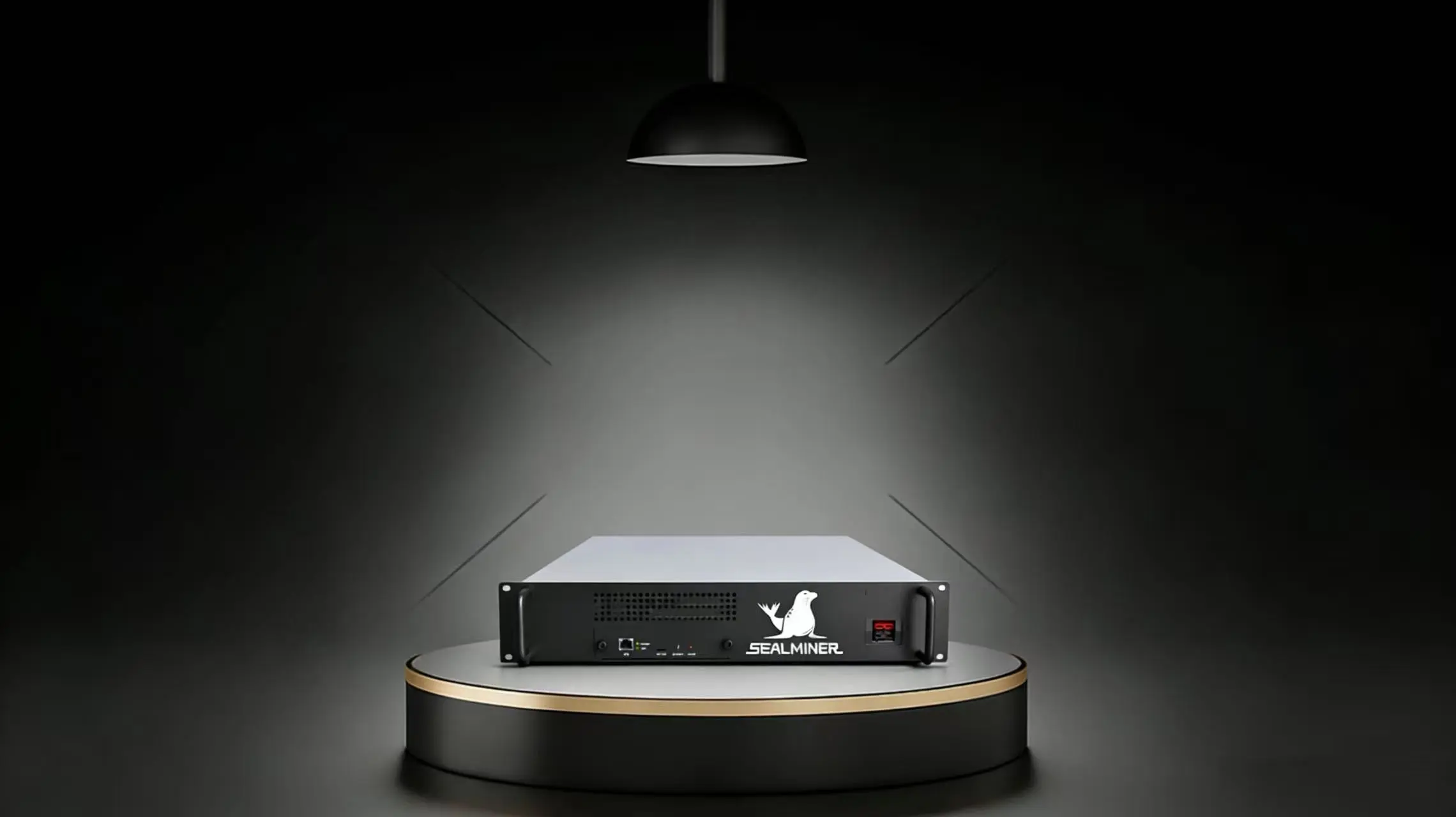
⛏️ Decoding the 500Th/s Output: What It Means for Your Operations
The most prominent specification of this machine is its massive 500 terahashes per second output. For a buyer, this number is not just a vanity metric; it fundamentally changes the math of how a mining facility is built and operated.
In a traditional air-cooled setup, reaching 500Th/s requires purchasing, racking, and powering four to five separate mining units. Each of those units requires its own power cables, its own ethernet port on your network switch, and its own dedicated shelf space on the rack. If you are paying a third-party hosting facility per rack slot, running five machines to achieve 500Th/s destroys your gross profit margins through sheer hosting fees alone.
The Bitdeer SealMiner consolidates that entire cluster of computational power into one single chassis. This extreme density allows you to maximize the revenue generated per square foot of your facility. You can drastically increase your total network hashrate without needing to rent more warehouse space, buy more server racks, or upgrade your networking switches. For operations looking to aggressively scale their daily digital asset accumulation without sprawling their physical footprint, this machine offers the exact physical consolidation required to keep infrastructure costs under control.
The reason this single machine can push 500Th/s without melting is the integrated liquid cold plate technology. Instead of relying on fans to blow air over the chips, highly conductive liquid runs directly across the hashboards. This liquid absorbs the heat instantly. Because the chips are kept at a stable, low temperature, they do not suffer from thermal throttling. The machine delivers its full 500Th/s rating consistently, 24 hours a day, meaning you are capturing the maximum possible shares in your mining pool without interruption.
Pre-Deployment Check for a 500 TH/s Hydro Miner
A Bitdeer SealMiner A2 Pro Hyd 500 TH/s should not be judged like an air-cooled home ASIC. The buying decision depends on whether the site can support water flow, heat rejection, electrical density, and service access at the same time. Before purchase, ask for the required coolant temperature range, connector standard, inlet/outlet expectations, and warranty handling if the miner is deployed in a mixed hydro loop. In 2026, hydro capacity is valuable only when downtime is controlled. A strong deployment plan should include spare hoses, leak inspection intervals, pump redundancy, and a clear shutdown rule for abnormal temperature or low flow. This turns the review into a practical buyer checklist.
💰 Evaluating Bitdeer SealMiner A2 Pro Hyd Profitability
Procuring mining hardware is a strict calculation of projected revenue versus operational cost. The timeline for capital recovery is the only metric that truly matters to a facility operator. The Bitdeer SealMiner A2 Pro Hyd profitability profile is highly resilient because the machine combines massive output with exceptional electrical efficiency.
Profitability in SHA-256 mining is directly tied to the global network difficulty and the fiat value of the asset. When difficulty increases, the slice of the reward pie gets smaller for everyone. Machines that consume too much power to generate their hashrate quickly become unprofitable. The electricity bill exceeds the value of the mined asset, forcing the operator to unplug the machine.
The SealMiner is designed to survive these exact market conditions. Because the liquid cooling system keeps the chips operating at peak efficiency, the machine converts electricity into hashes with very little wasted energy. This pushes the break-even threshold incredibly low. During a market downturn, when facilities running older air-cooled hardware are forced to shut down to stop bleeding cash, the operator of the SealMiner remains online and profitable. Furthermore, as those older machines drop off the network, the difficulty adjusts downward, allowing the efficient SealMiner to capture an even larger share of the block rewards.
To accurately calculate your specific return on investment, you must factor in your localized electricity rate. Facility operators should consistently run their exact power costs through the dynamic ASIC Miner Profitability dashboard. This tool allows buyers to input their exact kilowatt-hour price and project daily, monthly, and yearly returns based on real-time network conditions, providing the hard mathematical data needed to justify the hardware acquisition.
🛒 The True Cost of Ownership: SealMiner A2 Pro Hyd Price Analysis
A common trap for mining operators is evaluating hardware strictly by the upfront sticker price. Buying cheap, used, or inefficient machines often seems like a smart way to save capital initially, but it routinely destroys profitability over a multi-year deployment. To understand the true value of this hardware, you must look at the total cost of ownership.
The initial SealMiner A2 Pro Hyd price reflects the high-grade components required for a secure liquid-cooled system. The machine features aerospace-grade quick-disconnect fluid valves, specialized leak-proof internal plumbing, and advanced nanometer silicon chips. Yes, this upfront capital requirement is higher than buying a pallet of used air-cooled machines. However, the premium paid upfront is rapidly recouped through the complete elimination of operational waste.
When you evaluate the comprehensive Bitdeer SealMiner A2 Price, you must factor in the maintenance budget. With traditional air-cooled machines, a facility must budget thousands of dollars annually for replacement axial fans, new power supplies destroyed by dust, and the intensive human labor required to manually clean the heat sinks every month. The maintenance budget for the SealMiner is practically zero. There are no fans to break, and because the unit is completely sealed, there is zero dust ingress.
When the SealMiner A2 Pro Hyd Price is properly amortized across a three to four-year deployment, factoring in the lack of replacement parts, zero maintenance labor, and the significant increase in uptime, the long-term return on investment heavily outperforms cheaper alternatives. You are buying a machine designed to run continuously without human intervention, securing a highly predictable revenue stream.
🌡️ Physical Deployment: Where Can You Actually Run This Machine?
A massive concern for hardware buyers is environmental compatibility. Traditional mining farms have to be built in specific locations; if the climate is too hot, too humid, or too dusty, air-cooled machines will die within months. The architectural design of the SealMiner completely eliminates these geographic restrictions, giving operators total flexibility on where they deploy their capital.
If your facility is located in a harsh desert environment, airborne sand and extreme ambient heat are your biggest threats. Sand destroys cooling fans and coats motherboards, leading to rapid overheating. Because the Bitdeer SealMiner is hermetically sealed, the internal silicon never touches the outside air. You can deploy this machine in the middle of a desert, utilizing a closed-loop dry cooler outside the facility, and the internal chips will remain perfectly clean and cool.
High humidity environments are equally destructive to standard miners. Drawing moist air across hot electrical components inevitably leads to condensation and catastrophic short circuits. The liquid coolant inside the SealMiner operates in a completely sealed, pressurized loop. Ambient humidity has absolutely zero impact on the machine's operation.
Noise ordinances are another major hurdle for commercial deployments. Standard ASIC miners generate over 80 decibels of noise per unit, making them impossible to deploy in urban or light-commercial zones. The SealMiner has zero internal fans. The hashing process is completely silent, with the heat being quietly carried away by the liquid loop. This allows buyers to set up high-density mining operations in locations that strictly prohibit the noise pollution of traditional air-cooled farms.
⚔️ Hardware Showdown: Bitdeer SealMiner A2 Pro Hyd vs Legacy Air-Cooled Miners
When deciding whether to upgrade an existing fleet, operators need a clear comparison between keeping their current hardware and transitioning to liquid cooling. Analyzing the Bitdeer SealMiner A2 Pro Hyd vs standard air-cooled machines reveals operational differences that directly impact the facility's bottom line.
The first major difference is hardware lifespan. Air-cooled chips are constantly subjected to thermal stress. As the ambient temperature of the facility fluctuates between day and night, the chips heat up and cool down. This constant expansion and contraction eventually fractures the microscopic solder joints on the hashboard, killing the machine. The liquid-cooled chips in the SealMiner are locked at a stable, flat temperature 24 hours a day. This completely eliminates thermal stress, allowing the hardware to operate for years without physical degradation.
The second difference is facility infrastructure. To run a massive air-cooled farm, you must build complex hot-aisle containment zones and install massive industrial exhaust fans in the roof to pull the scorching air out of the building. This requires heavy construction and massive ventilation planning. The SealMiner transfers its heat directly into water pipes. The facility remains cool and quiet, drastically simplifying the building's layout and completely removing the need for industrial air handlers.
To visualize exactly how these differences in lifespan, uptime, and efficiency translate into actual fiat revenue, operators should input their facility metrics into a dedicated Miner Comparator. This tool provides a direct, head-to-head mathematical breakdown, proving exactly how quickly the hydro deployment outpaces the legacy hardware in total asset accumulation.
🔧 The Daily Reality: What Maintenance Actually Looks Like
Facility operators need to know exactly what they are getting their technicians into when they purchase new hardware. The daily reality of maintaining a liquid-cooled fleet is entirely different from running a traditional mining farm. It shifts the workload from physical hardware repair to simple fluid management.
In an air-cooled farm, technicians spend their days on the floor. They are constantly identifying machines with burnt-out fans, pulling them off the rack, unbolting the chassis, replacing the fans, and using air compressors to blow thick dust out of the heat sinks. It is a loud, hot, and labor-intensive process that results in constant machine downtime.
With the Bitdeer SealMiner, hands-on hardware intervention is virtually eliminated. Once the machine is clicked into the fluid manifold on the rack, it is left alone. The daily maintenance routine shifts to the centralized coolant distribution unit. Technicians spend their time looking at digital gauges, ensuring the fluid pressure remains stable across the racks. Once a month, they will test a sample of the coolant to ensure the pH balance and electrical conductivity are within safe limits.
If a machine does need to be inspected, the quick-disconnect valves allow the technician to unplug the fluid hoses without spilling a drop of coolant. The machine can be removed without shutting down the entire rack. This transition from reactive hardware repair to proactive fluid monitoring drastically reduces the labor costs of the facility and ensures the machines spend more time online generating revenue.
🔌 Infrastructure Prerequisites: What You Actually Need to Buy
You cannot plug the Bitdeer SealMiner into a standard wall outlet and expect it to run. Buying the miner is only the first step; your facility must have the specific infrastructure required to support high-density liquid cooling. Understanding these prerequisites is mandatory before placing a hardware order.
First, you need specialized hydro server racks. Standard IT racks cannot support the immense weight of dozens of liquid-filled mining chassis. These specialized racks are reinforced with heavy-gauge steel and feature pre-mounted vertical fluid manifolds. These manifolds have the exact connection points needed to plug the miners directly into the fluid loop.
Second, you must purchase a Coolant Distribution Unit. This is the heart of the hydro farm. The CDU contains heavy-duty industrial pumps that push the fluid through the miners, and stainless steel plate heat exchangers that transfer the heat from the miners to your external cooling loop.
Finally, you need external heat rejection. The heat absorbed by the liquid must go somewhere. Depending on your climate, you will need to install massive external dry coolers or wet cooling towers outside your facility. These towers take the hot liquid from the CDU, cool it down using ambient air, and send it back inside. Designing this entire plumbing and electrical loop requires precision. For a complete understanding of how to architect this setup correctly from the power drop to the cooling towers, operators must study a comprehensive Mining Ecosystem Guide to avoid costly deployment errors.
🌐 Network Stability and Pool Selection
Generating 500 terahashes per second requires a network setup capable of handling massive, continuous data streams. If your internal facility network is weak, the raw power of the hardware is completely wasted.
A single SealMiner is rapidly receiving complex mathematical algorithms and submitting solutions multiple times every second. If you use cheap ethernet cables or substandard commercial routers, your network will experience packet loss and high latency. High latency directly results in stale shares. A stale share means your machine successfully completed the computational work, but the data reached the mining pool too late to be credited. This represents permanently lost revenue that you can never recover. Facilities must deploy enterprise-grade switches and high-quality CAT6 cabling to guarantee zero-latency routing.
Selecting the right mining pool is just as important as the physical cabling. You must connect your high-output hardware to a pool with massive liquidity and proven server stability. Integrating your farm with an established, tier-one infrastructure like F2Pool ensures that your shares are credited instantly, rejection rates remain ultra-low, and your daily payouts are consistent regardless of global network congestion.
❓ FAQ: Everything Buyers Ask Before Ordering
Q: What exact type of coolant do I need to buy for this machine?
A: You cannot use standard tap water, distilled water, or automotive antifreeze. The machine requires a highly purified liquid coolant to operate safely. Most commercial facilities use specialized deionized water mixed with strict ratios of industrial anti-corrosion inhibitors and biocides. Alternatively, you can use proprietary engineered dielectric fluids. Using untreated water will immediately strip the copper from the internal cold plates, causing severe galvanic corrosion and destroying the machine within weeks.
Q: How do the fluid hoses connect to the miner?
A: The Bitdeer SealMiner utilizes industrial-grade, drip-free quick-disconnect fittings located on the rear of the chassis. These connect directly to the fluid hoses on your rack manifold. The connection is a simple push-to-lock mechanism that seals instantly upon connection and disconnection. This specific design allows you to hot-swap or remove a single miner for inspection without needing to drain the expensive fluid from the entire rack.
Q: If there are no fans, how does the machine prevent overheating if a pump fails?
A: The hardware is equipped with an array of highly sensitive internal thermal sensors located directly on the hashboards and the main control board. If your facility's external water pump fails, or if fluid flow is restricted by a blocked hose, the internal silicon temperatures will rise rapidly. The control board will immediately detect this thermal spike and automatically sever power to the hashing chips to protect them from melting. You will receive an instant alert on your management software detailing the exact flow restriction error.
Q: Can I mix this Bitdeer model on the same rack with other hydro miner brands?
A: While it is physically possible if the quick-disconnect fittings match, it is highly discouraged by facility engineers. Different brands and different models require specific fluid flow rates and pressure requirements to achieve optimal cooling. Mixing units can create pressure imbalances within the fluid manifold, leading to thermal throttling or hardware damage in the units receiving inadequate coolant flow. Racks should be strictly populated with identical models to ensure perfectly balanced hydrodynamics.
Q: What is the actual expected lifespan of this hardware?
A: Air-cooled miners typically show severe hardware degradation or complete failure within 36 months due to continuous thermal expansion, contraction, and dust short-circuits. Because the SealMiner operates in a pristine, thermally locked, and completely sealed internal environment, the physical wear and tear on the silicon and solder joints is virtually eliminated. Assuming the facility maintains perfectly clean fluid chemistry, the internal components are engineered to easily provide highly stable operation for five to seven years.
Q: Can I overclock the machine to get more than 500Th/s?
A: While the extreme cooling capacity of the hydro cold plates technically provides the thermal headroom for overclocking, doing so requires customized aftermarket firmware and drastically increases the electrical amperage draw beyond the manufacturer's factory specifications. Operating the machine outside of these strict parameters will void the warranty and place severe stress on your facility's power distribution units. Commercial buyers universally prefer to run the machine at its highly optimized stock settings to guarantee maximum hardware stability and lifespan.
🏁 Final Verdict: Upgrading to the Bitdeer SealMiner
The mining industry has permanently moved past the point where operators can remain competitive using cheap, low-density hardware. As network difficulty continues its aggressive climb, securing a profitable operation requires hardware that delivers massive computational output while strictly controlling electrical and physical waste. The Bitdeer SealMiner A2 Pro Hyd 500Th/s provides the exact engineering solution required to meet these modern commercial demands.
By completely eliminating the mechanical failure points associated with traditional cooling fans, isolating the sensitive silicon from destructive environmental elements, and delivering an unprecedented 500Th/s of stable computation in a single chassis, this machine stands as the premier acquisition target for serious buyers. Whether you are upgrading an existing farm to maximize petahash per square foot or deploying a brand-new hydro infrastructure, integrating this specific hardware guarantees that your operation remains fiercely competitive. To secure guaranteed hardware allocation, access commercial wholesale pricing tiers, and ensure your equipment is sourced directly through verified supply chains, route your procurement inquiries directly through the main portal at Jingle Mining.