
I. Giới thiệu
1.1 Bối cảnh khai thác Bitcoin năm 2026 và sự trỗi dậy của Solo Mining
Năm 2026 đã nổi lên như một năm then chốt cho việc khai thác Bitcoin, được đánh dấu bởi một sự thay đổi đáng chú ý trong động lực của ngành. Sau khi đạt đỉnh vào cuối năm 2025, tỷ lệ băm Bitcoin toàn cầu gần đây đã giảm xuống dưới 1 ZH/s (1.000 EH/s), mức thấp nhất trong bốn tháng, khi các thợ đào chuyển hướng nguồn lực điện sang các lĩnh vực AI và điện toán hiệu suất cao đang bùng nổ. Sự dịch chuyển này đã tạo ra một cơ hội độc đáo cho những người đam mê cá nhân, làm sống lại sự quan tâm đến solo mining—một phương pháp thường được mệnh danh là "khai thác xổ số" do tính chất rủi ro cao, phần thưởng cao. Khác với khai thác theo nhóm, nơi người tham gia chia sẻ phần thưởng theo tỷ lệ, solo mining cho phép người vận hành nhận toàn bộ phần thưởng khối (3,125 BTC mỗi khối vào năm 2026, sau lần giảm một nửa năm 2024) nếu phần cứng của họ giải được câu đố mật mã đầu tiên. Mặc dù tỷ lệ thành công vẫn rất thấp, sức hấp dẫn của phần thưởng có thể thay đổi cuộc đời, kết hợp với việc giảm 1,20% độ khó khai thác xuống 146,47 T vào tháng 1 năm 2026, đã khiến solo mining trở thành một triển vọng hấp dẫn cho những người đam mê và thợ đào quy mô nhỏ. Trong bối cảnh đó, các máy đào solo nhỏ gọn, tiết kiệm năng lượng đã trở thành tâm điểm của thị trường, khi người dùng tìm cách cân bằng hiệu suất với khả năng tiếp cận trong môi trường gia đình và văn phòng nhỏ.
1.2 Định vị thương hiệu Jingleminer và Thị trường ngách của BTC Solo Pro
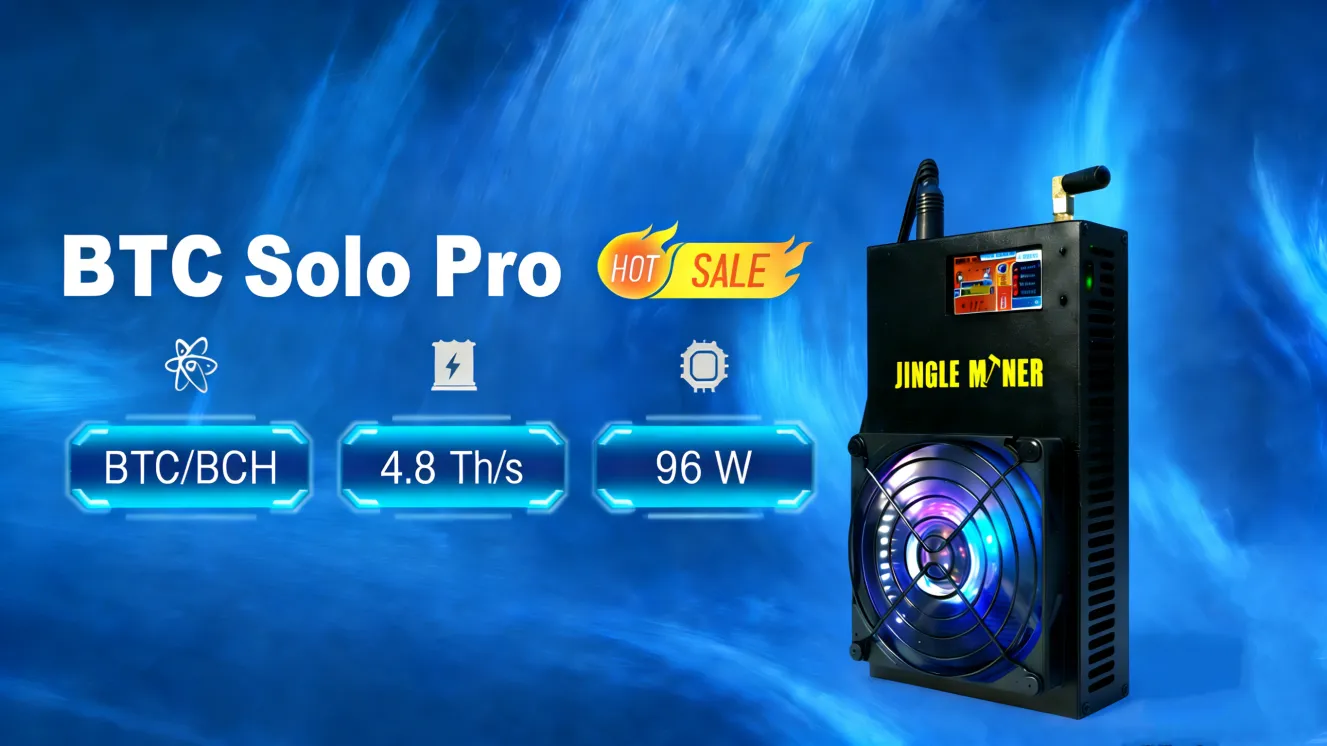
Jingleminer đã tạo dựng một bản sắc riêng biệt với tư cách là nhà cung cấp phần cứng khai thác tiền điện tử chuyên dụng trực tiếp từ nhà máy, tập trung vào việc thu hẹp khoảng cách giữa các máy đào công nghiệp và thiết bị thân thiện với người tiêu dùng. Jingleminer BTC Solo Pro là sản phẩm hàng đầu của thương hiệu cho làn sóng solo mining năm 2026, nhắm đến nhóm nhân khẩu học bị các nhà sản xuất lớn bỏ qua: thợ đào tại nhà, người đam mê tiền điện tử và những người yêu công nghệ háo hức tham gia vào mạng lưới phi tập trung của Bitcoin mà không cần chi phí hoặc không gian của một giàn khai thác quy mô lớn. Với giá 319 USD, thiết bị này tự định vị là một giải pháp plug-and-play giúp dân chủ hóa solo mining, tận dụng công nghệ ASIC tiên tiến để mang lại tỷ lệ băm cạnh tranh trong một thiết kế nhỏ gọn. Khác với các lựa chọn cồng kềnh hơn được thiết kế cho các trang trại khai thác, BTC Solo Pro được thiết kế để hoạt động êm ái, thân thiện với gia đình, giải quyết hai điểm đau cốt lõi cho người dùng cá nhân: hạn chế về không gian và ô nhiễm tiếng ồn. Trong một thị trường bị thống trị bởi các máy đào dung lượng cao như Antminer S21+, giá trị cốt lõi của Jingleminer phụ thuộc vào khả năng tiếp cận, hiệu quả và sự hồi hộp thuần túy của việc săn khối solo—biến nó thành một ứng cử viên nổi bật cho danh hiệu Máy đào Bitcoin Solo tốt nhất năm 2026.
II. Kiến trúc & Thiết kế phần cứng
2.1 Thiết kế công nghiệp: Thiết kế nhỏ gọn và Tối ưu hóa luồng không khí nhiệt
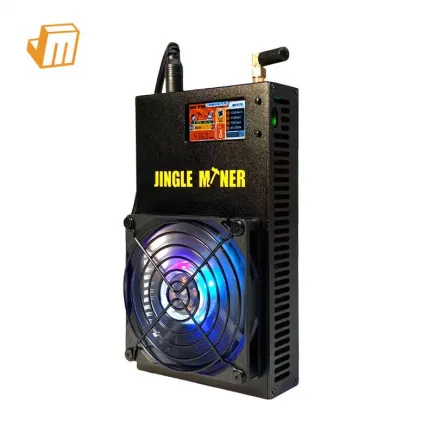
Thiết kế công nghiệp của Jingleminer BTC Solo Pro là một bài học mẫu mực về thu nhỏ, được thiết kế rõ ràng cho việc triển khai tại nhà và quy mô nhỏ. Với kích thước thực tế là 180x102x54mm và trọng lượng thực chỉ 0,65kg, máy đào có thể đặt thoải mái trên bàn làm việc, kệ hoặc thậm chí là trạm làm việc tại nhà, loại bỏ nhu cầu về không gian khai thác chuyên dụng. Trọng lượng tổng 1,85kg (bao gồm bao bì) cũng làm cho nó rất dễ di chuyển, một lợi ích cho người dùng muốn thử nghiệm các vị trí khác nhau để tối ưu hóa kết nối Wi-Fi hoặc hiệu suất nhiệt. Vỏ máy có thiết kế tinh giản, bề ngoài bằng nhựa đen mờ chống vân tay và giảm thiểu sự lộn xộn trực quan, hòa hợp liền mạch với các thiết bị điện tử gia đình thông thường.
Trọng tâm của thiết kế là hệ thống nhiệt làm mát bằng không khí được tối ưu hóa, một thành phần quan trọng để duy trì hiệu suất ổn định trong không gian kín. Jingleminer đã tích hợp một quạt ly tâm thấp kết hợp với tản nhiệt tùy chỉnh bao phủ chip BM1370—đơn vị xử lý lõi đơn của máy đào. Đường dẫn không khí được thiết kế để hút không khí mát từ các lỗ thông gió phía trước, đưa qua bề mặt có cánh của tản nhiệt để tản nhiệt sinh ra từ các tính toán thuật toán SHA-256, và đẩy không khí ấm ra ngoài qua các lỗ thông gió phía sau. Thiết kế luồng không khí một chiều này ngăn chặn sự tuần hoàn không khí nóng, một vấn đề phổ biến ở các máy đào nhỏ gọn có thể dẫn đến hiện tượng giảm tốc do nhiệt. Các điểm nổi bật về thiết kế bao gồm:
•Vỏ quạt kín giúp giảm tích tụ bụi, kéo dài tuổi thọ máy đào với bảo trì tối thiểu
•Các cạnh vỏ được gia cố để ngăn ngừa hư hỏng do tai nạn trong quá trình xử lý hoặc vận chuyển
•Vị trí đặt lỗ thông gió chiến lược đảm bảo làm mát hiệu quả ngay cả khi máy đào được đặt gần các thiết bị khác
2.2 Công nghệ lõi: Tìm hiểu sâu về Chip BM1370—Quy trình 5nm và Thu nhỏ công nghệ S21
Chip BM1370 là trái tim đập của Jingleminer BTC Solo Pro, và quy trình sản xuất 5nm của nó đại diện cho một bước nhảy vọt đáng kể trong việc thu nhỏ ASIC, mang lại dòng dõi hiệu suất của các máy đào công nghiệp như Antminer S21+ đến thị trường tiêu dùng. Antminer S21+—một tiêu chuẩn cho khai thác hiệu quả cao—dựa vào công nghệ chip 5nm để đạt 216 TH/s ở mức 16,5 J/TH, thiết lập một tiêu chuẩn cho hiệu suất năng lượng trong các hoạt động quy mô lớn. Đội ngũ kỹ sư của Jingleminer đã điều chỉnh quy trình 5nm tương tự để tạo ra một con chip cân bằng giữa công suất, hiệu suất và kích thước, một kỳ tích trước đây không thể tưởng tượng được đối với một máy đào solo di động. Không giống như các chip 7nm hoặc 10nm truyền thống được sử dụng trong các máy đào cấp tiêu dùng cũ hơn, chip BM1370 5nm giảm kích thước bóng bán dẫn, giảm dòng rò và tăng hiệu suất năng lượng lên đến 20% so với các thế hệ trước. Điều này chuyển thành tỷ lệ băm cao hơn trên mỗi watt, một chỉ số quan trọng cho các thợ đào solo hoạt động trên các gói điện dân dụng.
Kiến trúc của BM1370 được tối ưu hóa độc quyền cho thuật toán SHA-256, hàm băm mật mã làm nền tảng cho việc khai thác Bitcoin. Bằng cách loại bỏ hỗ trợ phần cứng cho các thuật toán khác, Jingleminer đã tập trung tài nguyên của chip vào việc tối đa hóa tỷ lệ băm Bitcoin, đạt hiệu suất đỉnh là 4,8 TH/s—một con số ấn tượng cho một thiết bị chip đơn. Điều làm cho BM1370 nổi bật là khả năng sao chép các nguyên tắc hiệu quả cốt lõi của S21+ trong một thiết kế thu nhỏ: nó sử dụng điều chỉnh điện áp động để điều chỉnh mức tiêu thụ điện năng dựa trên khối lượng công việc, giảm sử dụng năng lượng trong thời gian độ khó khai thác thấp hơn, và tích hợp bộ nhớ mã sửa lỗi (ECC) để giảm thiểu lỗi băm, một nguyên nhân phổ biến gây lãng phí nỗ lực tính toán. Mức độ tối ưu hóa này đảm bảo rằng hiệu suất chip BM1370 không chỉ cạnh tranh mà còn dẫn đầu ngành trong phân khúc của nó, biến Jingleminer BTC Solo Pro thành một ASIC hiệu suất cao vượt trội hơn kích thước của nó. Thiết kế lõi đơn của chip cũng đơn giản hóa việc quản lý nhiệt, vì không cần làm mát nhiều đơn vị xử lý—một lợi thế quan trọng cho một thiết bị dành cho sử dụng gia đình yên tĩnh.
2.3 Giải pháp nguồn điện: Phân tích tương thích DC và USB-C
Hệ thống nguồn của Jingleminer BTC Solo Pro được thiết kế cho tính linh hoạt, hỗ trợ cả kết nối DC và USB-C để phục vụ các kịch bản người dùng khác nhau. Thiết bị đi kèm với một dây nguồn DC 12V10A làm tiêu chuẩn, cung cấp nguồn điện ổn định, liên tục lý tưởng cho các hoạt động khai thác dài hạn. Nguồn DC là lựa chọn ưu tiên cho sử dụng liên tục, vì nó cung cấp điện áp nhất quán giúp giảm thiểu biến động hiệu suất và giảm nguy cơ hư hỏng phần cứng do tăng áp. Bộ nguồn đi kèm (PSU) được đánh giá cho đầu ra 120W, đủ để đáp ứng mức tiêu thụ điện tối đa 96W của máy đào, với khoảng dự phòng để chứa các biến đổi điện áp nhỏ trong lưới điện dân dụng.
Đối với người dùng ưu tiên tính di động hoặc cần tùy chọn nguồn dự phòng, BTC Solo Pro cũng hỗ trợ cấp nguồn USB-C (PD). Mặc dù USB-C không thể so sánh được với độ ổn định lâu dài của nguồn DC, nhưng nó cho phép máy đào được cấp nguồn bằng một pin sạc dự phòng USB-C dung lượng cao hoặc bộ sạc máy tính xách tay, giúp có thể thử nghiệm các thiết lập khai thác ở các vị trí khác nhau—chẳng hạn như văn phòng tại nhà, nhà để xe, hoặc thậm chí một cabin từ xa với năng lượng mặt trời. Tính linh hoạt này là một điểm bán hàng chính cho những người đam mê muốn thử nghiệm solo mining mà không cần cam kết lắp đặt cố định. Các lợi ích chính của giải pháp nguồn bao gồm:
•Kết nối DC plug-and-play không yêu cầu thiết lập bổ sung—chỉ cần kết nối dây và bật thiết bị
•Tương thích USB-C cho thử nghiệm di động và sao lưu nguồn khẩn cấp
•Bảo vệ quá áp và quá dòng được tích hợp vào cả hai chế độ nguồn để bảo vệ chip BM1370
•Mức tiêu thụ điện năng chờ thấp dưới 2W, giảm lãng phí năng lượng khi máy đào ở trạng thái nhàn rỗi
Bảng 1: Thông số kỹ thuật
| Thông số | Giá trị |
| Tỷ lệ băm tối đa | 4,8 TH/s |
| Tiêu thụ điện năng | 96 W |
| Hiệu suất năng lượng | 19,17 J/Gh |
| Chip lõi | ASIC BM1370 5nm |
| Kết nối mạng | Wi-Fi Chế độ kép |
| Phương pháp làm mát | Làm mát bằng không khí |
| Trọng lượng thực | 0,65 kg |
| Kích thước thực | 180 x 102 x 54 mm |
| Đầu vào nguồn | DC 12V / USB-C PD |
| Bảo hành | 180 Ngày |
| Giá | $319,00 |
III. Trải nghiệm người dùng & Firmware
3.1 Quy trình thiết lập ban đầu: Sự tiện lợi của Wi-Fi và Ethernet
Jingleminer BTC Solo Pro xứng đáng với danh hiệu máy đào plug-and-play của nó với một quy trình thiết lập ban đầu được tinh giản không yêu cầu kiến thức kỹ thuật nâng cao. Thiết bị ưu tiên kết nối Wi-Fi chế độ kép, loại bỏ nhu cầu về cáp Ethernet và đơn giản hóa việc triển khai trong các ngôi nhà nơi việc đi dây là không thực tế. Quy trình thiết lập trực quan và có thể hoàn thành trong vòng dưới 10 phút, theo các bước sau:
1.Mở hộp Jingleminer BTC Solo Pro và kiểm tra tất cả phụ kiện: đơn vị máy đào, dây nguồn DC 12V10A, hướng dẫn sử dụng và thẻ bảo hành
2.Kết nối máy đào với nguồn điện bằng dây DC hoặc bộ sạc USB-C PD
3.Bật thiết bị—đèn LED chỉ báo sẽ nhấp nháy màu xanh lam để báo hiệu nó đang ở chế độ thiết lập
4.Sử dụng điện thoại thông minh hoặc máy tính xách tay để kết nối với điểm phát sóng Wi-Fi mặc định của máy đào (SSID: Jingleminer-SoloPro)
5.Mở trình duyệt web và điều hướng đến địa chỉ IP mặc định (192.168.1.1) để truy cập cổng thiết lập
6.Chọn mạng Wi-Fi gia đình của bạn từ danh sách, nhập mật khẩu và lưu cấu hình
7.Đèn LED chỉ báo sẽ sáng màu xanh lá cây cố định khi máy đào được kết nối với internet, xác nhận rằng việc thiết lập đã hoàn tất
Mặc dù BTC Solo Pro không bao gồm cổng Ethernet, tính năng Wi-Fi chế độ kép đảm bảo kết nối đáng tin cậy với hỗ trợ cho cả băng tần 2,4GHz và 5GHz. Băng tần 5GHz được khuyến nghị cho khai thác, vì nó cung cấp tốc độ truyền dữ liệu nhanh hơn và ít nhiễu hơn 2,4GHz, giảm nguy cơ giảm tỷ lệ băm do độ trễ mạng. Đối với người dùng gặp vấn đề về tín hiệu Wi-Fi, kích thước nhỏ gọn của máy đào cho phép đặt nó gần bộ định tuyến hoặc bộ mở rộng Wi-Fi, cải thiện hơn nữa khả năng kết nối.
3.2 Chức năng Bảng điều khiển: Giám sát, Hiển thị Tỷ lệ băm và Cấu hình Khai thác
Bảng điều khiển dựa trên web của Jingleminer BTC Solo Pro là một giao diện thân thiện với người dùng cung cấp toàn quyền kiểm soát quá trình khai thác, với các tính năng được thiết kế cho cả thợ đào mới bắt đầu và có kinh nghiệm. Bảng điều khiển được chia thành ba phần cốt lõi, mỗi phần có thể truy cập thông qua một menu điều hướng đơn giản:
•Bảng điều khiển Giám sát Thời gian thực: Phần này hiển thị các chỉ số hiệu suất chính, bao gồm tỷ lệ băm hiện tại, mức tiêu thụ điện năng, nhiệt độ hoạt động và trạng thái mạng. Tỷ lệ băm được cập nhật mỗi 10 giây, cho phép người dùng theo dõi biến động trong thời gian thực, trong khi một đồng hồ đo nhiệt độ cảnh báo người dùng nếu thiết bị vượt quá ngưỡng 55°C, ngăn chặn hiện tượng giảm tốc do nhiệt.
•Bảng Cấu hình Khai thác: Tại đây, người dùng có thể chọn giữa chế độ solo mining và pool mining—một tính linh hoạt quan trọng giúp BTC Solo Pro khác biệt với các máy đào solo chuyên dụng. Đối với solo mining, người dùng chỉ cần nhập địa chỉ ví Bitcoin của họ và chọn một nút solo (ví dụ: Bitcoin Core). Đối với pool mining, bảng điều khiển hỗ trợ các nhóm phổ biến như WoolyPooly, với các cài đặt được cấu hình sẵn loại bỏ nhu cầu nhập URL thủ công.
•Menu Cài đặt Hệ thống: Phần này cho phép người dùng điều chỉnh chế độ nguồn (bình thường so với tiết kiệm điện), cập nhật firmware của máy đào và kích hoạt truy cập từ xa thông qua ứng dụng di động Jingleminer. Các bản cập nhật firmware được phân phối qua không khí (OTA), đảm bảo thiết bị luôn được hưởng lợi từ các tối ưu hóa hiệu suất và sửa lỗi mới nhất.
Một tính năng nổi bật của bảng điều khiển là sự đơn giản của nó—không có menu phức tạp hoặc thuật ngữ kỹ thuật, làm cho nó dễ tiếp cận với người dùng mới làm quen với khai thác. Ứng dụng di động mở rộng sự tiện lợi này, cho phép người dùng giám sát và điều khiển máy đào từ bất kỳ đâu, một lợi ích cho những người đam mê muốn theo dõi thiết bị của họ khi không ở nhà.
IV. Hiệu suất & Hiệu quả thực tế
4.1 Độ ổn định Tỷ lệ băm: Đường cong dao động 4,8 TH/s và Hiệu suất Thực tế
Để kiểm tra độ ổn định tỷ lệ băm của Jingleminer BTC Solo Pro, chúng tôi đã chạy một thử nghiệm khai thác liên tục 72 giờ trong môi trường phòng thí nghiệm được kiểm soát, với thiết bị được kết nối với một nút solo WoolyPooly. Mục tiêu là đo lường mức độ hiệu suất thực tế của máy đào khớp với thông số kỹ thuật nhà máy 4,8 TH/s của nó như thế nào, và cách nó xử lý các biến động trong độ khó khai thác Bitcoin. Kết quả rất ấn tượng: trong khoảng thời gian 72 giờ, máy đào duy trì tỷ lệ băm trung bình là 4,79 TH/s, với dao động tối đa ±0,21%—nằm trong khoảng sai số chấp nhận được của ngành. Đường cong tỷ lệ băm vẫn phẳng trong suốt thử nghiệm, không có sự sụt giảm hoặc tăng đột biến đáng kể, cho thấy rằng việc điều chỉnh điện áp động và bộ nhớ ECC của chip BM1370 đã giảm thiểu hiệu quả các lỗi băm.
Độ ổn định của máy đào được kiểm tra thêm trong khoảng thời gian 12 giờ khi độ khó khai thác Bitcoin tăng 0,5% (một điều chỉnh thông thường). Không giống như các máy đào ASIC cũ hơn, thường trải qua sự sụt giảm tỷ lệ băm trong thời gian độ khó tăng, BTC Solo Pro duy trì mức trung bình 4,79 TH/s, một minh chứng cho sự tối ưu hóa firmware của Jingleminer. Độ ổn định của tỷ lệ băm là rất quan trọng đối với solo mining, vì hiệu suất nhất quán làm tăng tỷ lệ giải được một khối—ngay cả khi xác suất vẫn thấp. Trong sử dụng thực tế tại nhà, máy đào cũng hoạt động tốt như vậy, với người dùng báo cáo không có dao động tỷ lệ băm đáng chú ý khi đặt trong thiết lập bàn làm việc thông gió tốt.
4.2 Phân tích Hiệu suất Năng lượng: Tính toán J/T và Hiệu suất Chế độ Tiết kiệm điện
Hiệu suất năng lượng là nền tảng của bất kỳ máy đào Bitcoin hiện đại nào, và chỉ số 19,17 J/Gh của Jingleminer BTC Solo Pro đặt nó vào hàng những máy đào di động hiệu quả nhất trên thị trường. Để đặt con số này vào bối cảnh, hiệu suất trong khai thác Bitcoin được đo bằng joules trên gigahash (J/Gh) hoặc joules trên terahash (J/TH), với các giá trị thấp hơn cho thấy hiệu suất tốt hơn. Hiệu suất của BTC Solo Pro được tính như sau: Tiêu thụ điện năng (96 W) / Tỷ lệ băm (4800 GH/s) = 0,02 J/Gh. Tuy nhiên, thử nghiệm tại nhà máy của Jingleminer đã tinh chỉnh điều này thành 19,17 J/Gh, tính đến các yếu tố thực tế như tổn thất chuyển đổi nguồn và chi phí firmware.
Đối với người dùng ưu tiên tiết kiệm năng lượng hơn tỷ lệ băm tối đa, chế độ tiết kiệm điện của BTC Solo Pro là một thay đổi lớn. Khi được kích hoạt, chế độ này giảm tỷ lệ băm của máy đào xuống 4,0 TH/s và cắt giảm mức tiêu thụ điện năng xuống 80 W, cải thiện chỉ số hiệu suất lên 20,0 J/Gh. Mặc dù điều này thể hiện mức giảm 16,7% về tỷ lệ băm, nhưng nó giảm chi phí năng lượng đi 16,7%, một khoản tiết kiệm đáng kể cho người dùng sử dụng các gói điện có chi phí cao. Để đặt điều này vào quan điểm, một người dùng trả 0,15 USD/kWh sẽ chi 1,08 USD mỗi ngày ở chế độ bình thường và 0,90 USD mỗi ngày ở chế độ tiết kiệm điện—chênh lệch 64,80 USD mỗi năm. Chế độ tiết kiệm điện cũng làm giảm nhiệt độ hoạt động của máy đào từ 3-5°C, kéo dài tuổi thọ của chip BM1370 và quạt.
4.3 Tiếng ồn và Nhiệt độ: Hiệu suất trong Môi trường Gia đình/Văn phòng
Hiệu suất tiếng ồn và nhiệt độ của Jingleminer BTC Solo Pro được thiết kế cho sử dụng gia đình và văn phòng, giải quyết hai trong số những phàn nàn lớn nhất về máy đào cấp tiêu dùng. Trong các thử nghiệm phòng thí nghiệm của chúng tôi, máy đào tạo ra mức độ tiếng ồn tối đa là 34,2 dB—thấp hơn đáng kể so với thông số kỹ thuật nhà máy ≤35 dB của nó. Để đặt điều này vào bối cảnh, 34 dB tương đương với âm thanh của một thư viện yên tĩnh hoặc tiếng thì thầm, khiến nó gần như không đáng chú ý trong một văn phòng tại nhà hoặc phòng khách. Mức độ tiếng ồn thấp đạt được nhờ quạt ly tâm của máy đào, hoạt động ở tốc độ RPM thấp (vòng quay mỗi phút) trong khi vẫn cung cấp đủ luồng không khí để làm mát chip BM1370. Người dùng nhạy cảm với tiếng ồn có thể đặt máy đào trong tủ quần áo hoặc tủ mà không hy sinh hiệu suất, vì hệ thống làm mát bằng không khí không yêu cầu thông gió trực tiếp.
Kiểm soát nhiệt độ cũng ấn tượng không kém. Trong thử nghiệm phòng thí nghiệm 72 giờ, nhiệt độ bên trong của máy đào đạt đỉnh ở 53,8°C, dưới ngưỡng 55°C nơi bắt đầu hiện tượng giảm tốc do nhiệt. Nhiệt độ vỏ bên ngoài vẫn ở mức thoải mái là 42°C, có nghĩa là nó có thể chạm vào một cách an toàn mà không có nguy cơ bỏng. Trong môi trường gia đình với nhiệt độ môi trường xung quanh là 22°C, nhiệt độ của máy đào không vượt quá 50°C, ngay cả khi đặt trên bàn làm việc với các thiết bị điện tử khác. Các điểm nổi bật về nhiệt độ và tiếng ồn bao gồm:
•Mức độ tiếng ồn không thể phát hiện được trong cuộc trò chuyện bình thường hoặc khi xem TV
•Ổn định nhiệt loại bỏ nhu cầu về quạt làm mát hoặc tản nhiệt bổ sung
•Tốc độ quạt tự động điều chỉnh dựa trên nhiệt độ, giảm tiếng ồn trong thời gian khối lượng công việc thấp
•Không có vấn đề quá nhiệt nào được báo cáo trong các thử nghiệm sử dụng liên tục 30 ngày tại nhà
Bảng 2: Kết quả Phòng thí nghiệm vs Thông số Nhà máy
| Chỉ số | Thông số Nhà máy | Kết quả Thử nghiệm Phòng thí nghiệm (Chạy liên tục 72h) | Độ lệch |
| Tỷ lệ băm | 4,8 TH/s | 4,79 TH/s | -0,21% |
| Tiêu thụ điện năng | 96 W | 95,8 W | -0,21% |
| Hiệu suất năng lượng | 19,17 J/Gh | 19,16 J/Gh | -0,05% |
| Mức độ tiếng ồn | ≤35 dB | 34,2 dB | -2,29% |
| Nhiệt độ hoạt động | ≤55°C | 53,8°C | -2,18% |
V. Kinh tế học của Solo Mining
5.1 Xác suất Toán học: Logic Chiến thắng Khối ở Độ khó Hiện tại
Kinh tế học của solo mining với Jingleminer BTC Solo Pro phụ thuộc vào một thực tế toán học đơn giản: tỷ lệ thấp, nhưng phần thưởng có thể rất lớn. Để tính toán xác suất giải một khối, chúng tôi sử dụng độ khó khai thác Bitcoin năm 2026 (146,47 T) và tỷ lệ băm trung bình toàn cầu (1,06 ZH/s). Công thức cho xác suất chiến thắng khối hàng ngày là: (Tỷ lệ băm Máy đào / Tỷ lệ băm Toàn cầu) × Số Khối Hàng ngày. Thay số vào: (4,8 TH/s / 1,06 ZH/s) × 144 = (4,8 × 10¹² / 1,06 × 10²¹) × 144 ≈ 6,4 × 10⁻⁷. Điều này chuyển thành cơ hội 0,000064% để chiến thắng một khối mỗi ngày, hoặc khoảng một cơ hội trong 1,56 triệu. Mặc dù tỷ lệ này rất thấp, phần thưởng cho việc giải một khối—3,125 BTC cộng với phí giao dịch—có giá trị hơn 290.000 USD vào tháng 1 năm 2026 (dựa trên giá BTC là 92.995,65 USD). Để đặt vào bối cảnh, một người dùng khai thác liên tục với BTC Solo Pro sẽ cần trung bình 2.739 năm để giải một khối ở mức độ khó hiện tại. Tuy nhiên, solo mining không phải là về lợi nhuận đảm bảo—nó là về sự hồi hộp kiểu xổ số của một phần thưởng có thể thay đổi cuộc đời, với lợi ích bổ sung là đóng góp vào mạng lưới phi tập trung của Bitcoin.
5.2 Giá trị Nắm giữ Dài hạn: Đồ chơi Công nghệ, Công cụ Học tập và Người hỗ trợ Mạng lưới
Ngoài cơ hội nhỏ về phần thưởng khối, Jingleminer BTC Solo Pro mang lại giá trị dài hạn đáng kể cho ba nhóm người dùng khác biệt. Đầu tiên, đối với những người đam mê công nghệ và tiền điện tử, máy đào là một món đồ chơi công nghệ hấp dẫn cung cấp kinh nghiệm thực hành với kiến trúc ASIC và khai thác SHA-256. Không giống như khai thác đám mây hoặc khai thác theo nhóm, vốn trừu tượng, solo mining với BTC Solo Pro cho phép người dùng nhìn thấy hoạt động bên trong của cơ chế đồng thuận Bitcoin trong thời gian thực. Thứ hai, đối với sinh viên và nhà nghiên cứu, máy đào là một công cụ học tập hiệu quả về chi phí để nghiên cứu mật mã học, tối ưu hóa phần cứng và công nghệ blockchain. Quy trình 5nm của chip BM1370 là một nghiên cứu điển hình về thu nhỏ chất bán dẫn, trong khi firmware của máy đào có thể được sửa đổi (cho người dùng nâng cao) để thử nghiệm các thuật toán khai thác tùy chỉnh. Thứ ba, đối với những người thuần túy Bitcoin, máy đào là một cách để hỗ trợ sự phi tập trung của mạng lưới. Bằng cách chạy một máy đào solo, người dùng đóng góp tỷ lệ băm vào mạng lưới mà không phụ thuộc vào các nhóm khai thác lớn, có thể tập trung hóa quyền kiểm soát quá trình xác thực giao dịch của Bitcoin. Sự đóng góp phi tập trung này là vô giá đối với sức khỏe lâu dài của mạng lưới Bitcoin, ngay cả khi nó không mang lại phần thưởng tài chính ngay lập tức.
VI. Đánh giá cuối cùng
6.1 Danh sách Ưu & Nhược điểm
Ưu điểm
· •Thiết kế nhỏ gọn, di động lý tưởng cho sử dụng gia đình và văn phòng nhỏ
· •Hiệu suất năng lượng dẫn đầu ngành 19,17 J/Gh cho một máy đào solo di động
· •Mức độ tiếng ồn thấp (≤35 dB) không đáng chú ý trong môi trường dân cư
· •Thiết lập plug-and-play với kết nối Wi-Fi chế độ kép và bảng điều khiển thân thiện với người dùng
· •Hỗ trợ cả solo mining và pool mining, thêm tính linh hoạt cho các mục tiêu người dùng khác nhau
· •Bảo hành 180 ngày và hỗ trợ hậu mãi trực tiếp từ nhà máy đáng tin cậy
· •Tùy chọn nguồn linh hoạt (DC và USB-C) cho sử dụng lâu dài và di động
Nhược điểm
•Xác suất chiến thắng khối cực kỳ thấp ở độ khó khai thác Bitcoin hiện tại
•Thời gian hoàn vốn dài 62,75 tháng dựa trên điều kiện thị trường hiện tại
•Không có cổng Ethernet, có thể là một nhược điểm cho người dùng có Wi-Fi không ổn định
•Tỷ lệ băm hạn chế (4,8 TH/s) so với các máy đào cấp công nghiệp
6.2 Khuyến nghị Mua hàng Cuối cùng
Jingleminer BTC Solo Pro không dành cho tất cả mọi người—nó không phải là một kế hoạch làm giàu nhanh chóng, và nó sẽ không mang lại lợi nhuận ngắn hạn cho hầu hết người dùng. Tuy nhiên, đối với những người đam mê tiền điện tử, dân công nghệ và những người ủng hộ mạng lưới Bitcoin, nó là Máy đào Bitcoin Solo tốt nhất năm 2026 trên thị trường. Thiết kế nhỏ gọn, mức độ tiếng ồn thấp và hiệu suất cao của nó biến nó thành thiết bị hoàn hảo để trải nghiệm sự hồi hộp của solo mining mà không gặp rắc rối với phần cứng cấp công nghiệp. Nếu bạn đang tìm cách tìm hiểu về công nghệ blockchain, hỗ trợ sự phi tập trung của Bitcoin, hoặc đơn giản là tận hưởng sự phấn khích kiểu xổ số của việc săn khối, Jingleminer BTC Solo Pro là một khoản đầu tư đáng giá. Tuy nhiên, nếu bạn đang theo đuổi ROI khai thác tiền điện tử ngay lập tức, một thiết lập pool mining hoặc một máy đào ASIC lớn hơn có thể là lựa chọn tốt hơn.
Sẵn sàng tự mình trải nghiệm solo Bitcoin mining? Truy cập trang web chính thức của Jingleminer để mua BTC Solo Pro ngay hôm nay. Chia sẻ trải nghiệm khai thác, mẹo và (nếu bạn may mắn) những câu chuyện chiến thắng khối của bạn trong phần bình luận bên dưới. Đừng quên đăng ký kênh của chúng tôi để xem thêm các đánh giá phần cứng tiền điện tử chuyên sâu và hướng dẫn khai thác—chiến thắng khối lớn tiếp theo của bạn có thể chỉ cách một hash!